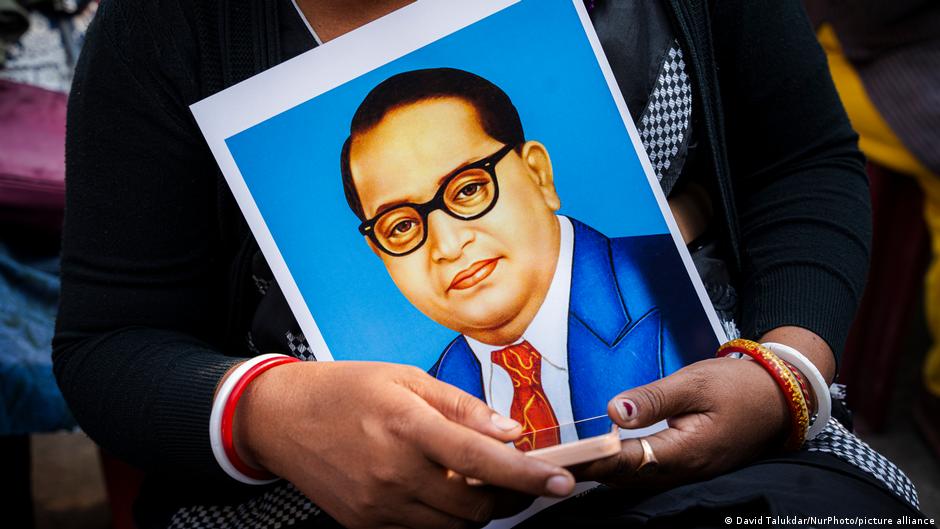
"Gopal stated, 'They work with the presumption that I am not as knowledgeable and hard-working as my upper-caste peers.' This reflects the ongoing bias faced by Dalit candidates in the judiciary."
"Gopal mentioned, 'The judges' association election was fought on the basis of caste. It's everywhere if you pay attention to it, but nowhere if you don't.' This highlights the pervasive nature of caste dynamics in professional settings."
"He emphasized, 'The practice of untouchability has changed form,' indicating that while overt discrimination may have diminished, subtler forms of caste bias continue to affect workplace interactions."
"Gopal suggested, 'There is scope for affirmative action, suggesting: extending caste-based reservations to promotions creating institutional mechanisms, similar to workplace harassment bodies, to address caste-related grievances.' This points to potential solutions for addressing caste discrimination."
Caste significantly impacts the judiciary in India, affecting recruitment, workplace dynamics, and career advancement for Dalit individuals. Gopal, a Dalit judicial officer, notes that despite strong performance in exams, SC candidates often receive lower interview scores, hindering their rankings and opportunities. Caste bias is evident in daily interactions, social networks, and professional settings. Although legal protections exist, their effectiveness is limited. Gopal advocates for extending caste-based reservations to promotions and creating mechanisms to address caste-related grievances, emphasizing that caste discrimination persists in evolved forms.
Read at www.dw.com
Unable to calculate read time
Collection
[
|
...
]