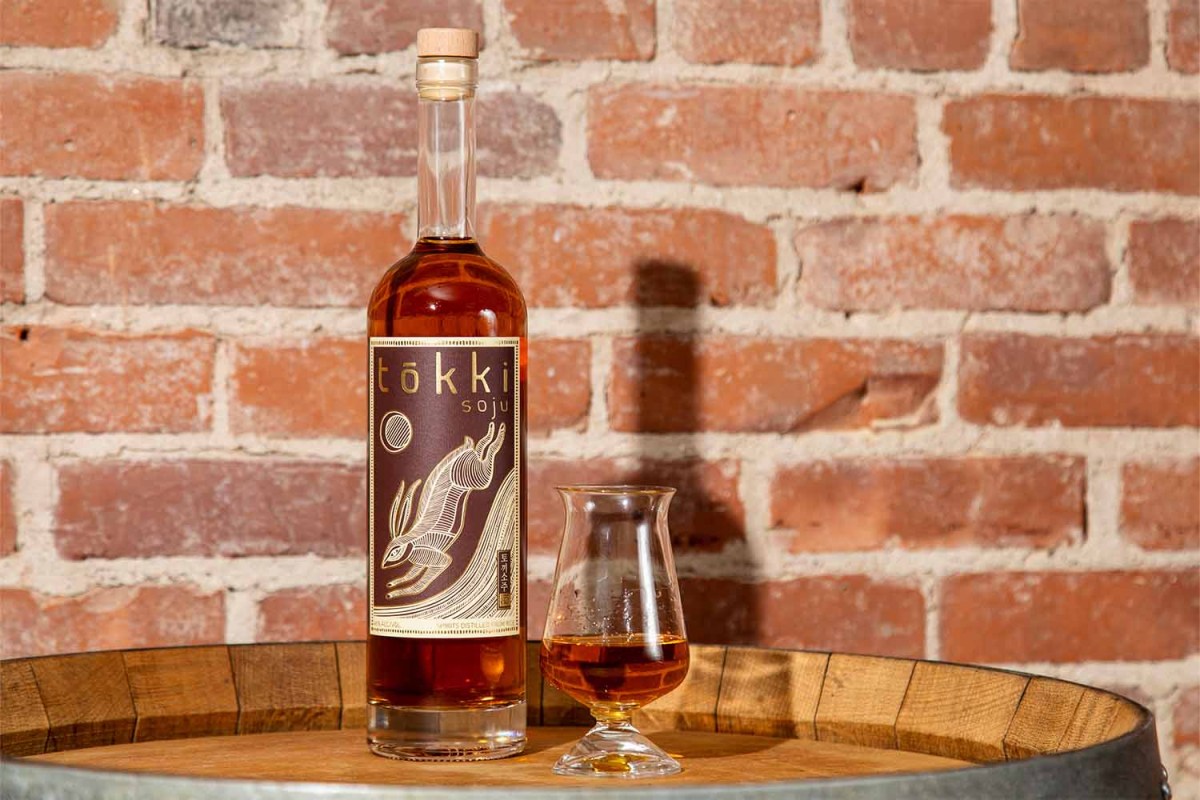
"Soju is a clear distilled spirit that takes many forms and has some complexities. Brandon (Bran) Hill, the founder and Master Distiller of Tokki Soju - a handcrafted traditional rice soju brand based in Brooklyn - explains the spirit has been around since "the 13th century since the Gyreo dynasty." Soju is traditionally made of rice, but today there is no specific set of rules on how to produce it, unlike other spirits like whiskey and tequila. Soju is now crafted from many different fruits and grains and bottled at various alcohol percentages. Once only made in Korea, it's now made all over the globe."
"According to Hill, "it has a long history of grain on fermentations and using an enzyme called 'nuruk,'" which is made from wheat and rice and is unique to the Korean brewing process. It's then typically distilled in traditional ceramic pot stills and diluted to a lower alcohol content and flavored, if desired."
"Soju is known for its versatility and subtle flavor profile, says Gareth Tootell, Regional Director of Operations at Restaurant Associates in New (Update 5/13/26: Recent data for the drinks industry, but soju is actually making a huge impact. The drinks market research organization IWSR suggests that soju grew 18% in volume last year in the U.S. - slightly more than canned cocktails, which is the other main area of growth in the booze industry.)"
"The Korean alcoholic beverage has been gaining more consumer support lately -according to recent Datassential data, interest has soared 50% in the past year - especially with the Gen Z crowd. Still, the vast majority of American drinkers are unfamiliar with the drink. So an explainer is in order."
Soju is a clear distilled spirit with many forms and production approaches. It has long roots in Korean fermentation traditions, including the use of nuruk, an enzyme made from wheat and rice that is tied to Korean brewing. Traditionally made from rice, soju is now produced from different fruits and grains, bottled at varying alcohol percentages, and sometimes flavored. It is often distilled in traditional ceramic pot stills, then diluted to a lower alcohol content. Soju’s subtle flavor profile supports wide versatility in drinking and pairing. Korean culture’s growth in the U.S. has increased consumer attention, with recent data showing a sharp rise in interest and strong volume growth in the American market.
Read at InsideHook
Unable to calculate read time
Collection
[
|
...
]