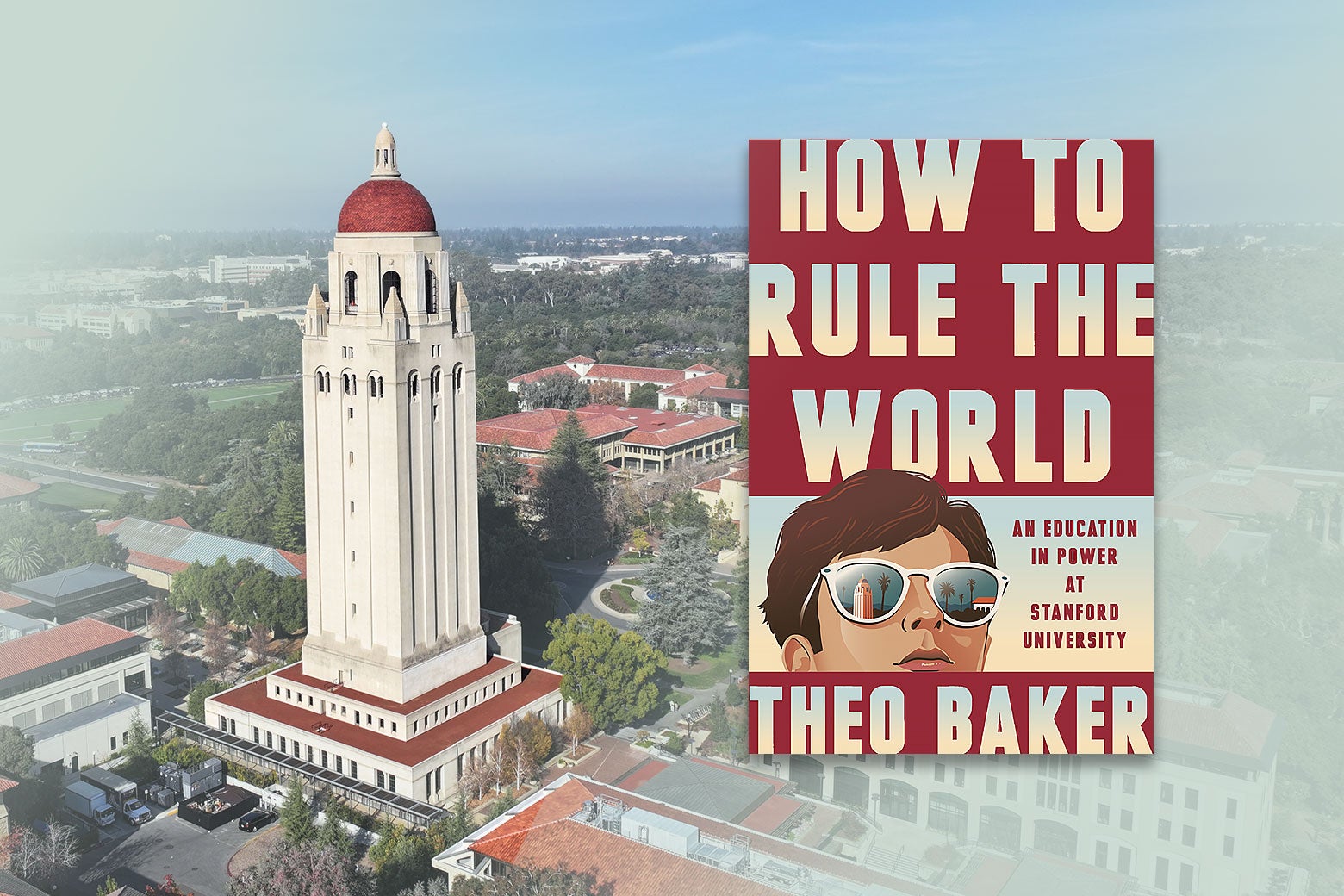
Stanford once produced major technology companies and attracted students drawn to innovation and engineering. Theo Baker arrived as a first-year student seeking the chance to create something new, but found an environment shaped by exclusive clubs and venture capitalists seeking talent. Undergraduates received cash without strings, while many people pursued wealth and acclaim by cutting ethical corners. Baker later earned recognition for an investigation into the university’s president, becoming the youngest recipient of a George Polk Award. By 2022, pandemic-era reliance on technology had turned into concern about addiction, political damage, and harm to relationships. Tech leaders increasingly appeared as villains rather than admired innovators.
"Baker loved technology, "the ability to create, the idea of doing something no one has ever done before," and the "engineering puzzle pieces that come together to make up our modern life." As he writes in his buzzy new memoir How to Rule the World: An Education in Power at Stanford University, he wanted in. What Baker found was not a tribe of visionary outsiders but a world of exclusive clubs for future "masters of the universe," where venture capitalists prowling for talent showered undergraduates with no-strings-attached cash, and where everybody, it seemed, was happy to cut ethical corners in hopes of striking it rich and being acclaimed as a genius."
"This attitude extended all the way to the top, as Baker would eventually prove, becoming the youngest recipient of a George Polk Award, one of journalism's most highly regarded honors, for an investigation into the university's president. It was 2022, the waning years of the pandemic, and also the waning years of Baker's breed of can-do optimism about the tech industry and its effect on "our modern life." The devices and platforms that we all leaned on so hard during lockdown had come to feel like purveyors of addictive junk, poisoners of our political culture and personal relationships."
"Stanford University was once the cradle of companies like Hewlett-Packard and Google, scrappy enterprises started in garages that went on, as Silicon Valley likes to put it, to "change the world." It was with that outdated notion of the institution that Theo Baker arrived at Stanford as a first-year student."
Read at Slate Magazine
Unable to calculate read time
Collection
[
|
...
]