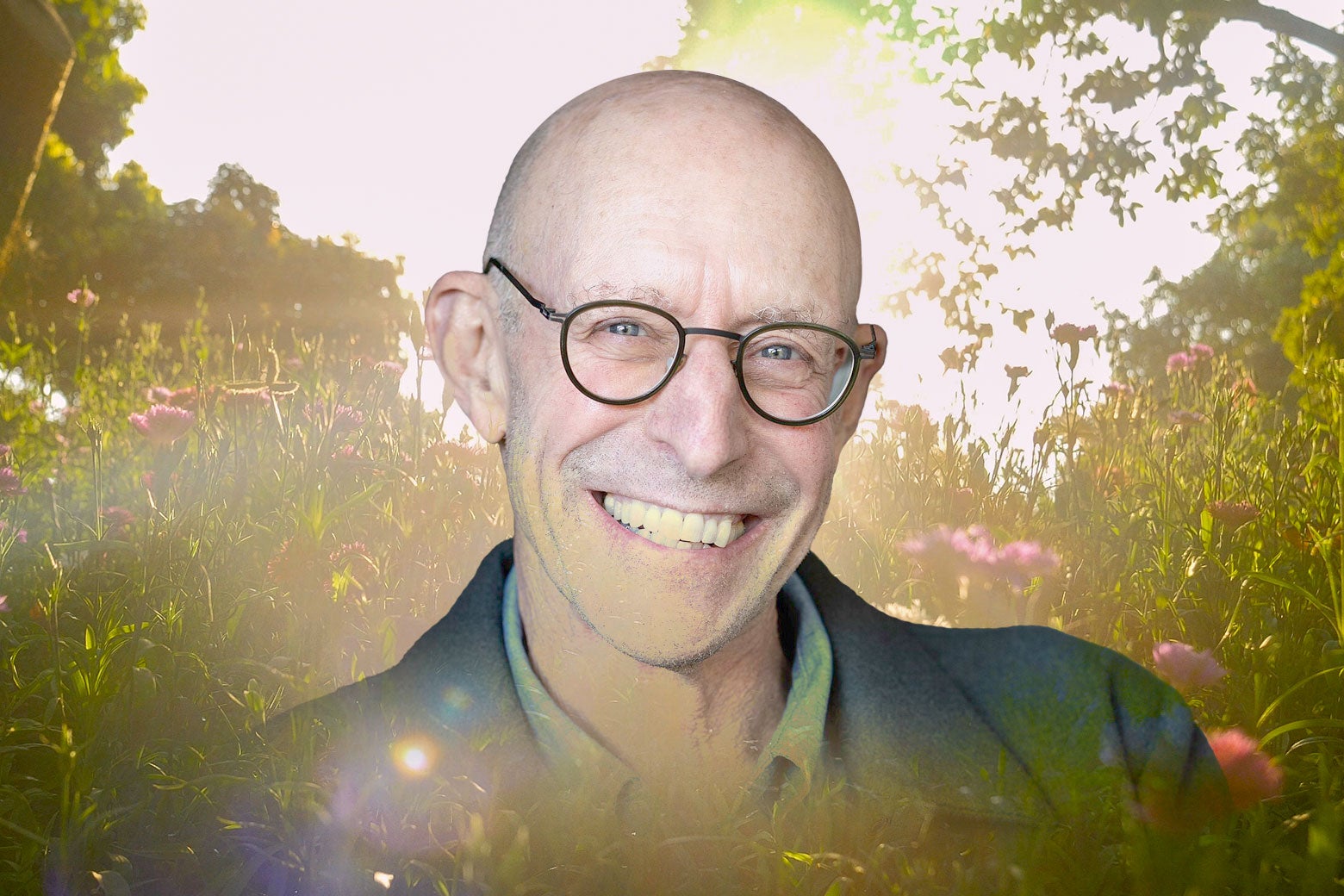
"How can we define consciousness? Even that starting point proves to be a sticky wicket. For the purposes of this review, let's go with this: Consciousness is our deliberative awareness of ourselves and our surroundings. When you open your eyes in the morning, as Pollan puts it, "a world appears," but how and why and to whom exactly? This book takes a stab at surveying the most recent thinking and-above all-debates on the topic,"
"Pollan's formula-perfected, though not invented, by him-has become ubiquitous in high-end book-length science journalism: See Ed Yong's much-celebrated An Immense World: How Animal Senses Reveal the Hidden Realms Around Us (2022) and Zoë Schlanger's The Light Eaters (2024). The writer presents himself as a casually informed and inquisitive layperson possessed by curiosity on a particular subject. So possessed, in fact, that he must set"
Plant biology, nutrition, and cooking have been synthesized into a clear dietary mantra: Eat food. Not too much. Mostly plants. Psychedelic substances such as psilocybin, mescaline, and LSD have been proposed as treatments for depression, addiction, and palliative care. Consciousness can be framed as deliberative awareness of self and surroundings, yet its definition remains difficult. Opening the eyes makes a 'world appear,' prompting questions about how, why, and for whom worlds arise. Contemporary debates on consciousness sit between neuroscience and philosophy and frequently intersect with psychedelic research.
Read at Slate Magazine
Unable to calculate read time
Collection
[
|
...
]