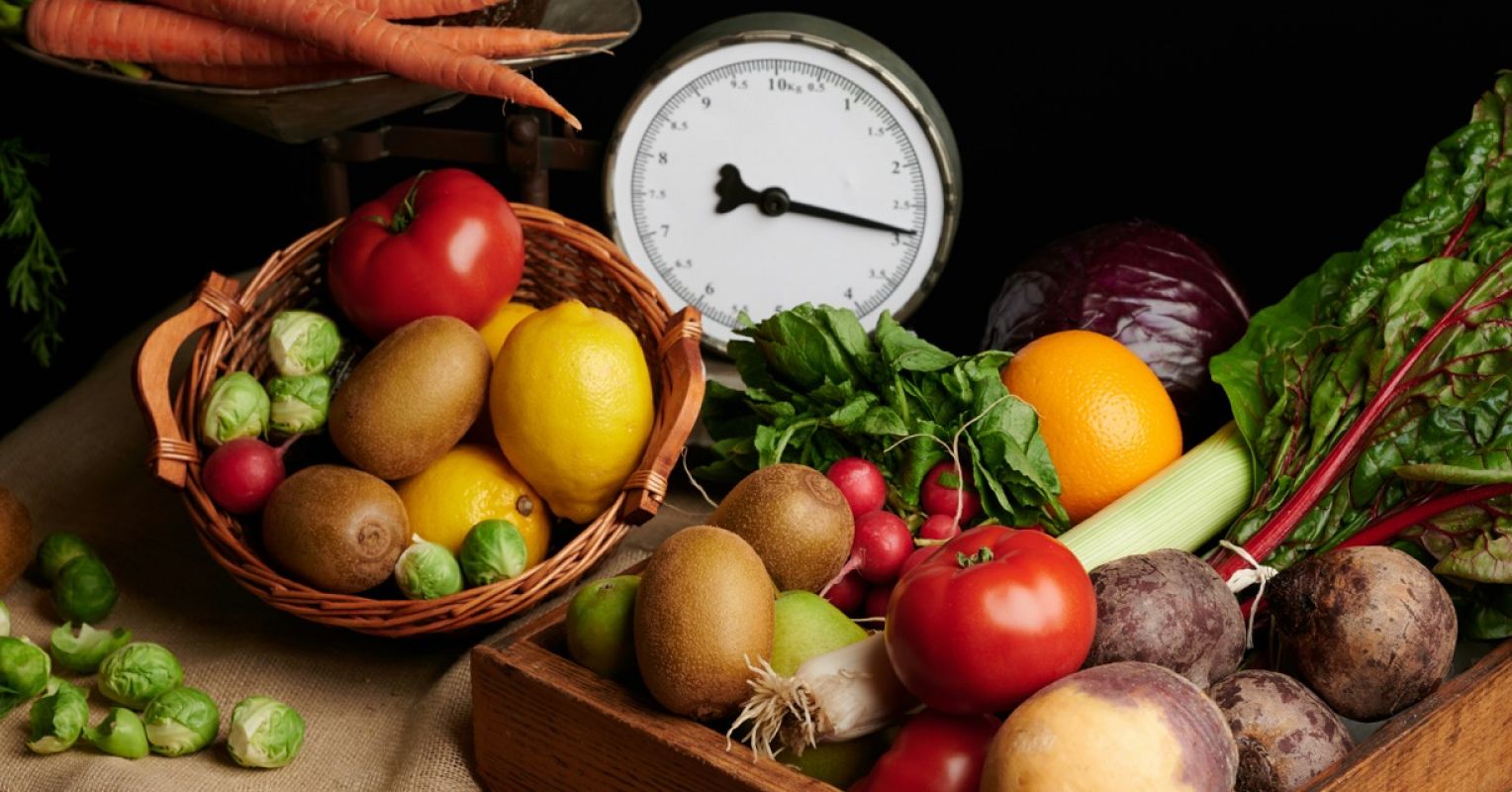
Brain activity of 110 adults was recorded with EEG while they viewed 120 food images shown for two seconds each. Participants answered immediate questions such as healthy, tasty, or like to eat. A larger online sample of 421 people rated the same images on 12 attributes covering nutritive, hedonic, and familiarity dimensions. Representational similarity analysis compared rating structure to EEG pattern structure over time. Many food attributes became represented in brain patterns around 200 milliseconds and again from 400–650 milliseconds. Two broad dimensions—how appetizing a food feels and how processed it seems—accounted for most judgments.
"When we look at food, our minds move faster than our mouths. In a fraction of a second, the brain begins to register what the food is, how it might taste, whether it is good for us, and how familiar it feels. A new study in Appetite traces that split-second choice, showing that the brain encodes many food qualities in parallel rather than in a strict sequence. This may explain why our choices can feel both immediate and complicated."
"The brain activity of 110 adults was measured using electroencephalography, or EEG, while they viewed pictures of 120 foods. Each image stayed on the screen for two seconds. Questions appeared after the picture: "Healthy?"; "Tasty?"; or "Like to eat?"; Separately, a larger online group of 421 people rated the same pictures on 12 attributes. These included nutritive properties such as healthiness, calories, edibility, and level of transformation."
"The structure of brain signals was compared to the structure of these ratings using representational similarity analysis: whether foods that look similar to each other in the ratings also produce similar patterns across EEG sensors at each moment in time. Around 200 milliseconds after the picture appears, brain patterns correlate with many attributes. Later, from about 400 to 650 milliseconds, the correlations return and stay elevated."
Read at Psychology Today
Unable to calculate read time
Collection
[
|
...
]