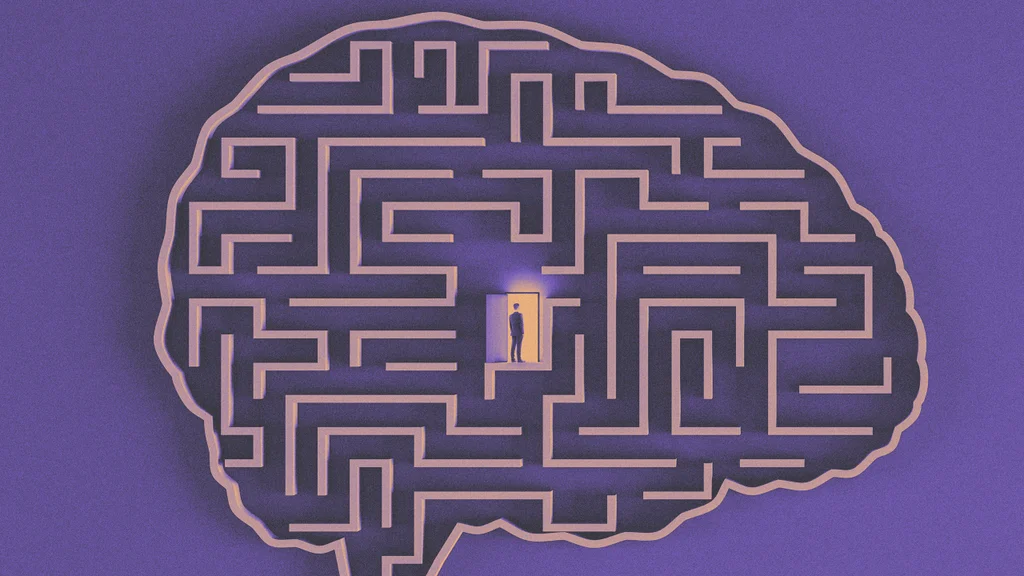
Curiosity is a consequential force that begins breakthroughs by creating a desire to know. It closes the gap between what is known and what is wanted, producing a cognitive discomfort when uncertainty appears and satisfaction when learning resolves it. Early humans who explored, experimented, and learned from novel stimuli were more likely to secure resources, avoid threats, and pass on genes, embedding curiosity in biology. Neural reward systems make learning pleasurable, and curiosity activates dopaminergic pathways linked to motivation and reward. Evolution also imposed limits, since excessive exploration could be fatal in dangerous environments. A balance between exploration and exploitation remains necessary today.
"Curiosity drives us to close the gap between what we know and what we want to know, a cognitive itch triggered by uncertainty and resolved through learning and the pursuit of meaning."
"Neuroscientific research shows that curiosity activates the brain's dopaminergic pathways, the same circuits involved in motivation and reward, which explains the positive correlation between curiosity and impulsivity. When we encounter a gap in our knowledge, we experience a mild form of cognitive discomfort. Resolving that gap produces satisfaction, reinforcing future exploration. In that sense, curiosity is a built-in, biologically coded feedback loop for learning."
"Curiosity, like any adaptive trait, is beneficial only within limits. For example, there are many scenarios in which too much exploration could prove fatal. A hunter-gatherer wandering too far from their tribe risked encountering predators or hostile groups. In such contexts, restraint was adaptive. Curiosity had to be expressed with caution."
Read at Fast Company
Unable to calculate read time
Collection
[
|
...
]