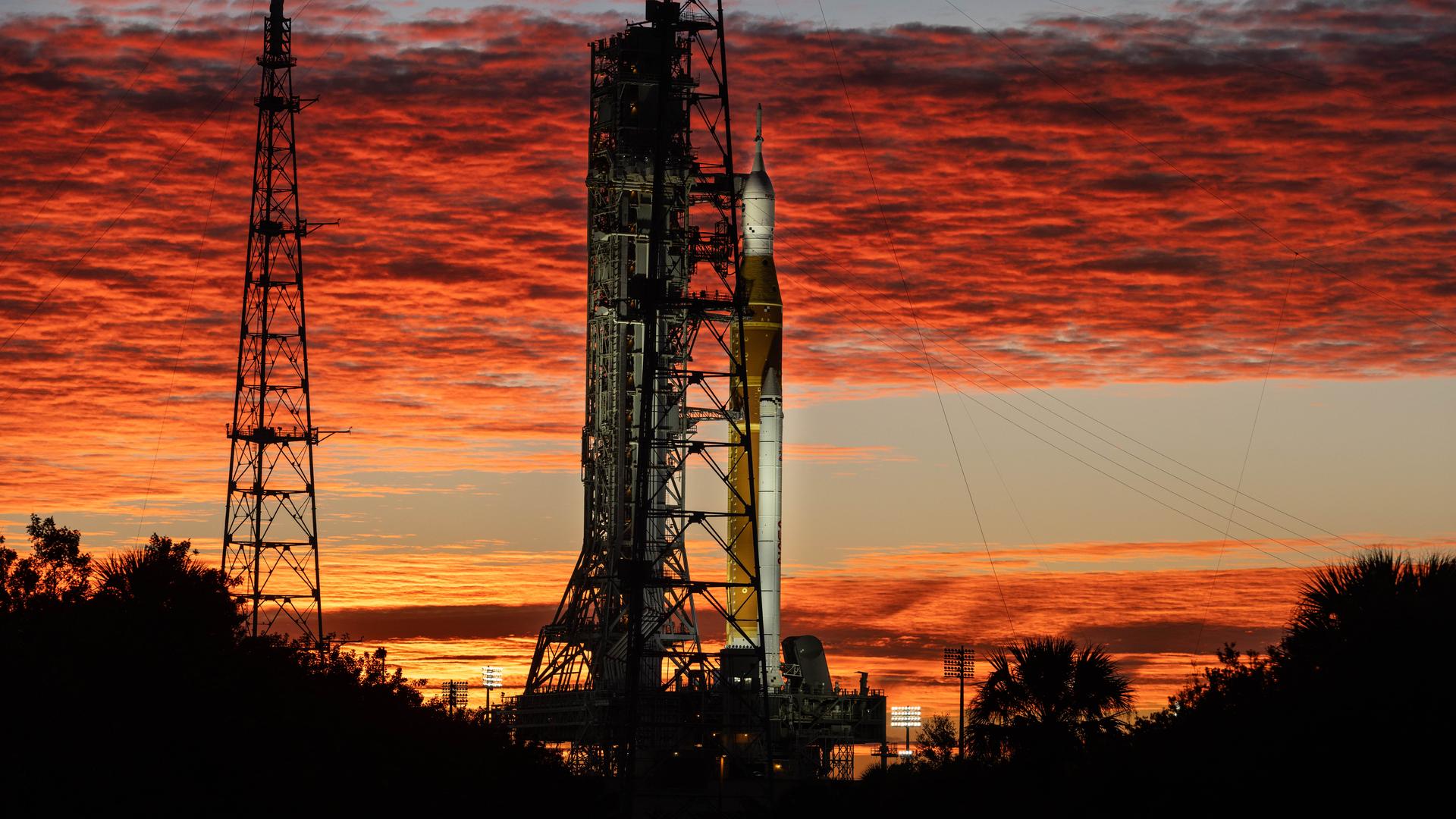
The Artemis II mission will send a crew on a four-day journey to the moon, traveling over 230,000 miles and beyond the moon's far side. Astronauts will conduct lunar science, documenting observations in real time. The moon serves as a historical record of impacts and geological processes, providing insights into the solar system's evolution. The mission will also research how astronauts' bodies respond to deep space conditions, particularly radiation, as they travel beyond Earth's protective magnetic field.
"The moon preserves a record of impacts and geological processes stretching back billions of years - a history largely erased on Earth by weather, oceans and plate tectonics."
"By studying the moon, we learn about Earth and the evolution of the entire solar system. Observations from Artemis II will help scientists identify areas for future exploration, including the lunar south pole."
"Unlike astronauts aboard the International Space Station, Artemis II's crew will travel beyond Earth's protective magnetic field. We're actually beyond the sort of protective bubble of the Earth."
Read at Kqed
Unable to calculate read time
Collection
[
|
...
]