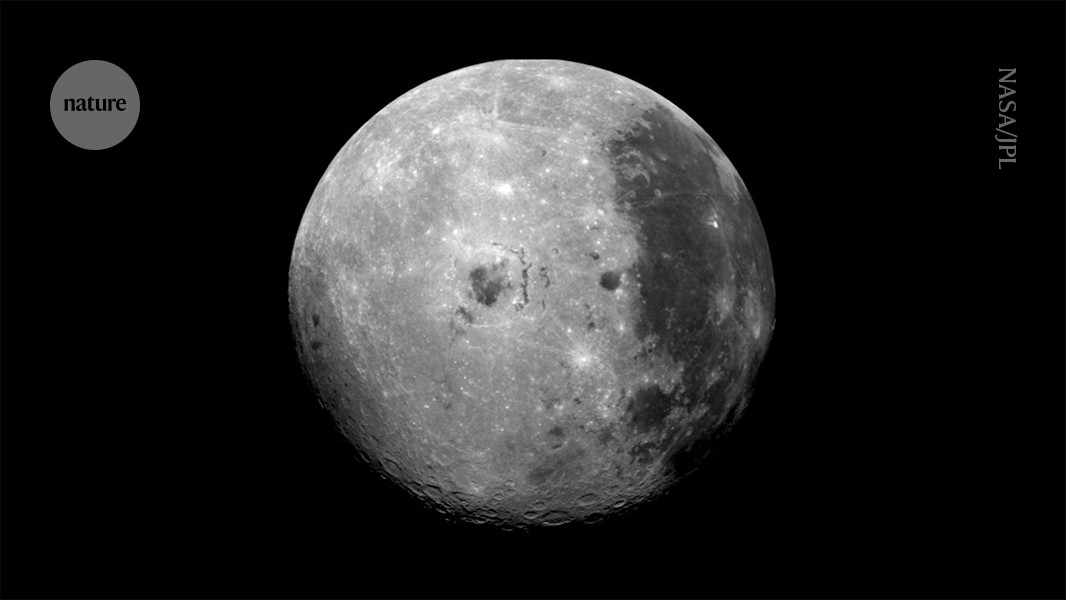
NASA's Artemis II mission plans to launch four astronauts on a journey around the Moon, marking the first human deep space travel since the Apollo program. This nearly ten-day mission will test essential space-flight hardware and conduct experiments to prepare for future lunar exploration. Key research will focus on the effects of deep-space travel on human health and geological observations of the Moon. Astronauts' unique capabilities will enhance scientific discoveries, differentiating findings from previous robotic missions.
""What we're trying to do is not pick up where Apollo left off, but to use our decades of experience and knowledge and planning to do this sustainable presence on the Moon - and then to do science alongside of that.""
""The amazing part of having crews is they have brains and eyes, and the capacity for thought and reaction, so that they can take the path of knowledge that is best for science.""
Read at Nature
Unable to calculate read time
Collection
[
|
...
]