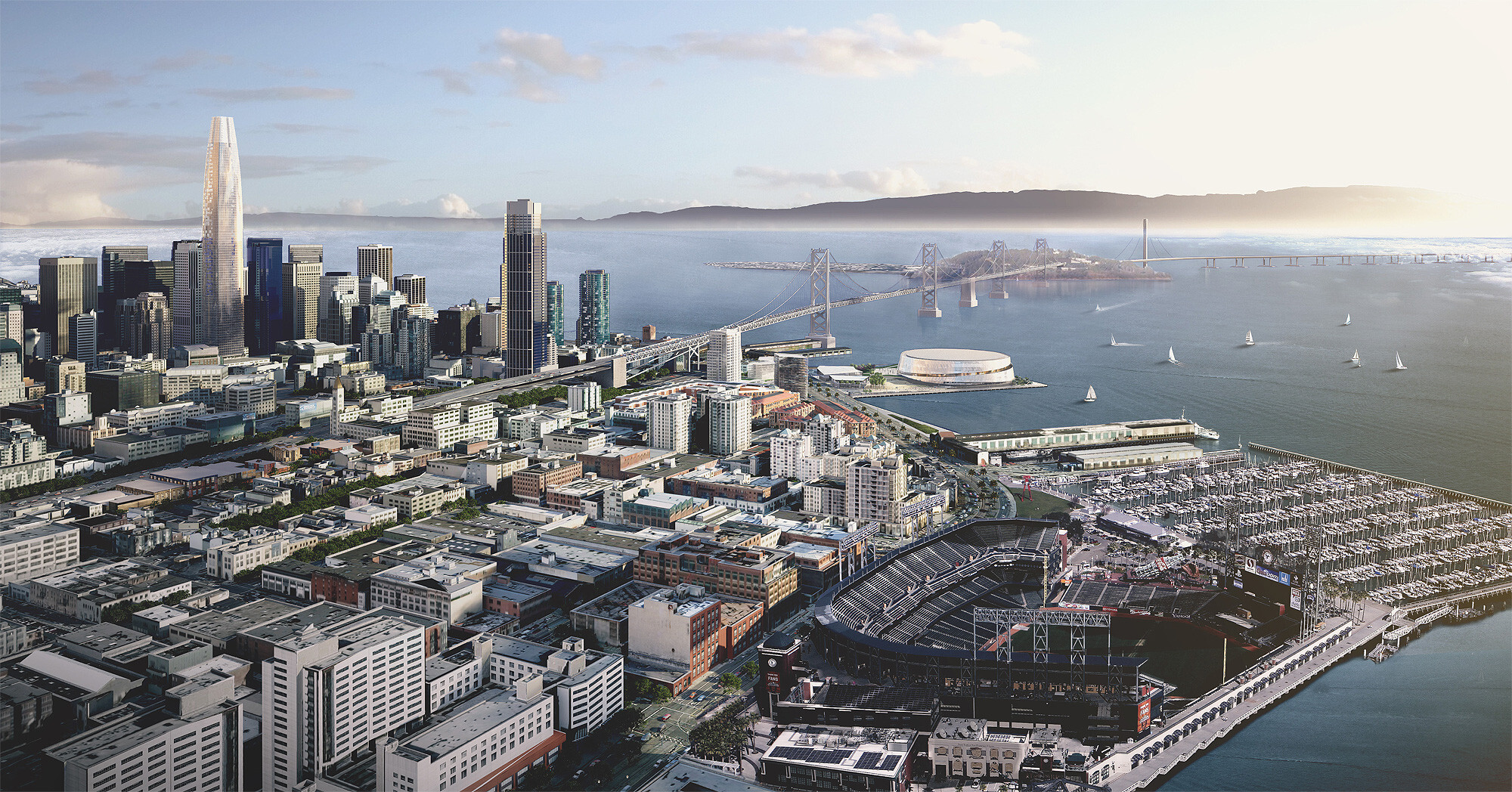
San Francisco has historically reinvented itself through various pressures, preserving Victorian architecture while adapting to modern development. The technology economy's northward migration from Silicon Valley has fundamentally transformed the city's skyline and residential landscape more dramatically than any previous force. This transformation produced architecturally refined buildings with sophisticated materials, yet the development logic prioritizes technology sector income levels over the broader population's needs. The consequences are severe: the city must add over 82,000 housing units by 2031 while median rents remain among America's highest. Teachers, healthcare workers, and service employees face active displacement as the real estate market caters exclusively to technology industry wages, creating a fundamental mismatch between housing costs and the earnings of the city's largest workforce.
"San Francisco must accommodate more than 82,000 additional housing units by 2031 under California's Regional Housing Needs Allocation framework, in a city where median rent already ranks among the highest of any American metropolitan area. Teachers, healthcare workers, and service employees are actively displaced by a real estate market calibrated to a single sector's income levels rather than the city's largest workforce."
"What began in the postwar sprawl of Silicon Valley migrated north and inscribed its logic onto the skyline and the lives of residents. The result of this logic is an architectural culture of considerable technical refinement and refined material palettes, yet one that remains largely indifferent to the existing population."
#san-francisco-housing-crisis #technology-economy-displacement #urban-development #affordable-housing-shortage #income-inequality
Read at ArchDaily
Unable to calculate read time
Collection
[
|
...
]