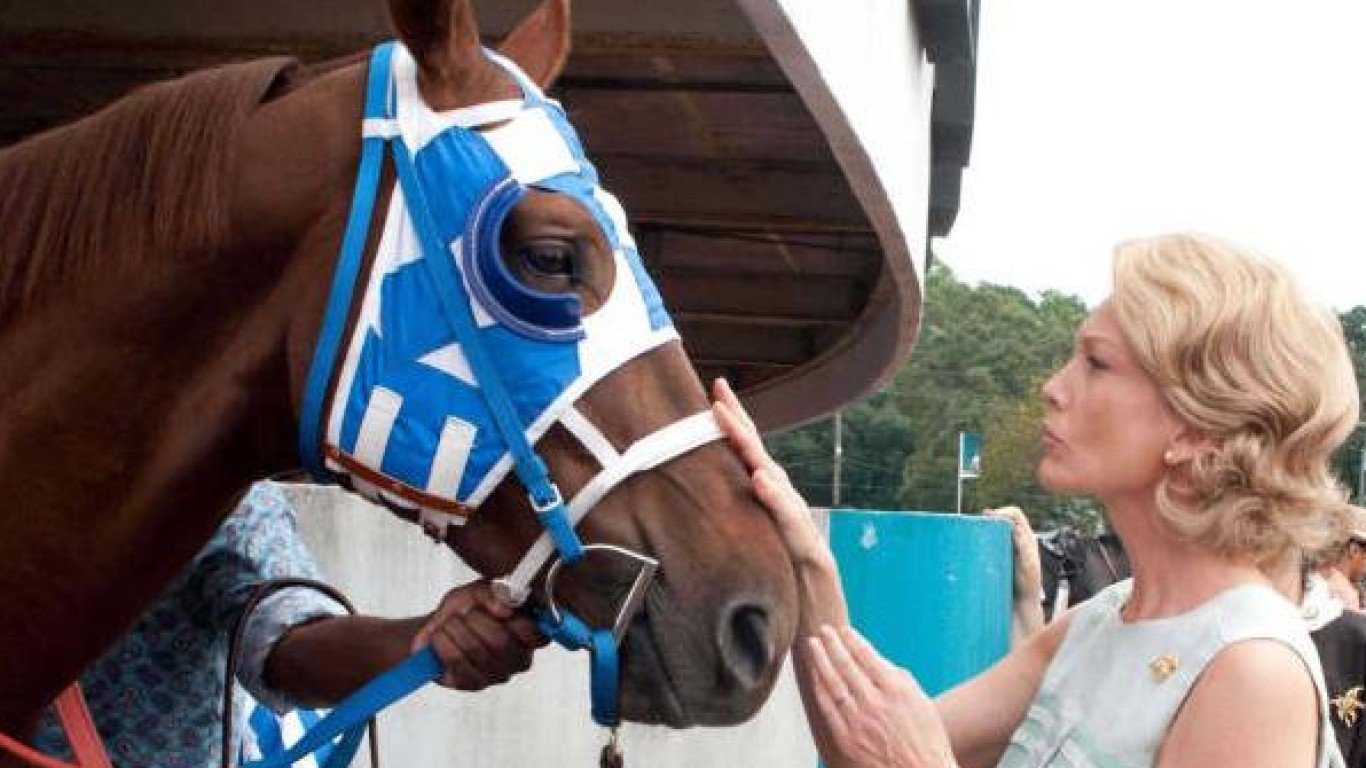
"Katie, from rural Kentucky, earning $36,000 a year at the USDA and sitting on $136,000 of debt. She had a prize-winning racehorse she refused to sell. Kamel's response, "Katie, the horse doesn't even know your name," went viral. He now says he wishes he could take it back "a thousand times", but he stands by the math."
"$136,000 in debt against a $36,000 salary is a debt-to-income load of nearly four times annual gross earnings. For context, the typical American private-sector worker earned $37.41 an hour as of April 2026, which annualizes well above what Katie brings home. She is below the bottom of the national income distribution and carrying a mortgage-sized balance with no house attached."
"Assume Katie's debt averages an 8% blended interest rate. That is roughly $10,880 a year in interest alone, before a single dollar touches principal. That is about 30% of her gross pay, every year, just to stand still. Even in the lowest-cost-of-living states, per capita income ranges from $59k to $65k, so rural Kentucky pricing does not rescue this math."
"Now add the horse. A competition horse carries serious recurring costs. Stabling, feed, farrier, vet, insurance, and trailering routinely run $8,000 to $15,000 per year in real money. If the anima"
A caller earned $36,000 per year while carrying $136,000 in debt and refusing to sell a prize-winning racehorse. The response emphasized that the horse’s value does not depend on personal attachment and that debt must be serviced with limited cash flow. The debt-to-income load was nearly four times annual gross earnings, leaving little room after taxes and basic costs. With an assumed 8% blended interest rate, interest alone could be about $10,880 per year, roughly 30% of gross pay, before paying principal. Ongoing horse expenses such as stabling, feed, veterinary care, insurance, and transport add thousands more annually, worsening the cash crunch.
Read at 24/7 Wall St.
Unable to calculate read time
Collection
[
|
...
]