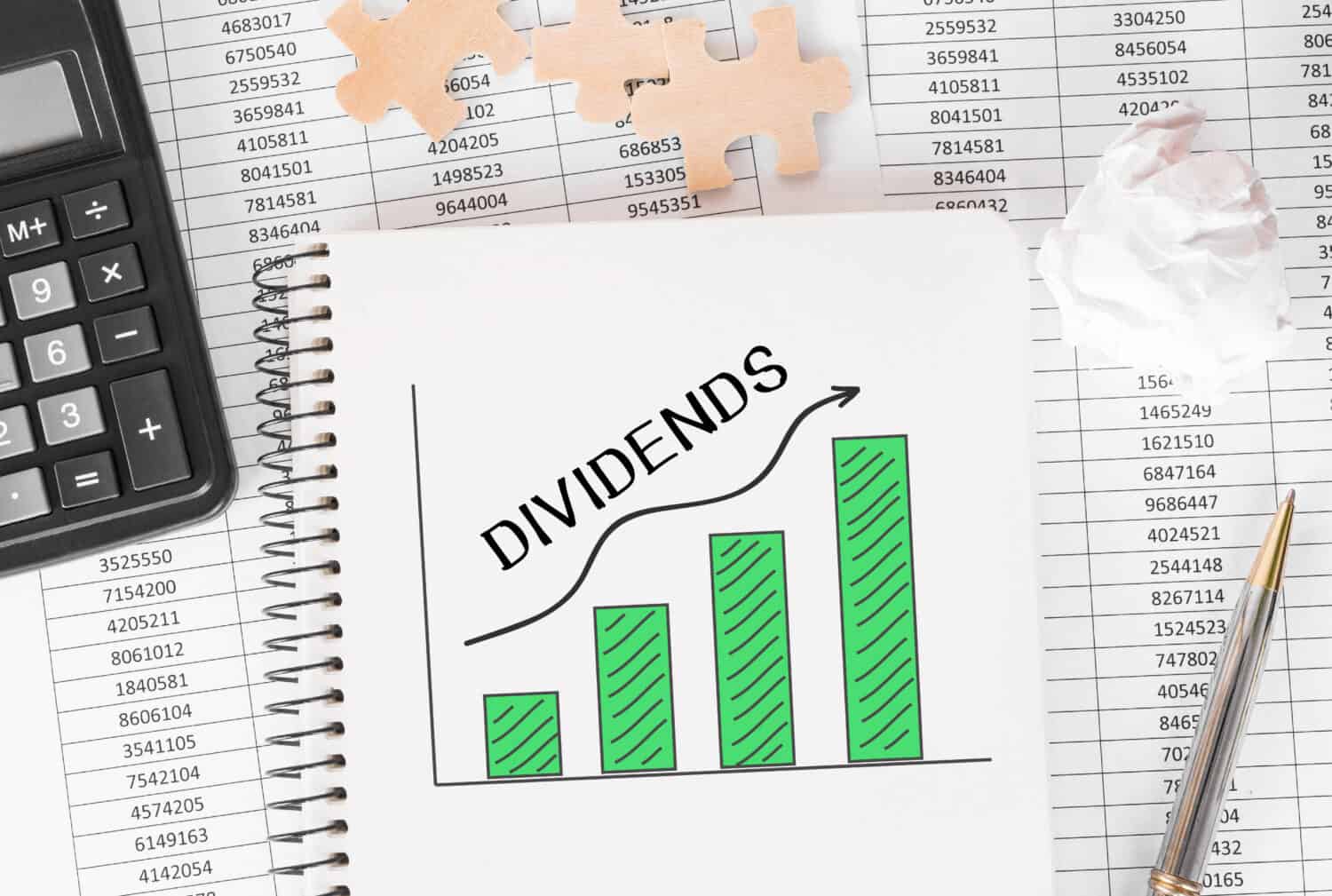
"Three thousand dollars a month, or $36,000 a year, can cover the basics for regular households: rent, groceries, car costs, healthcare, and utilities in many parts of the country. For wealthier retirees, the same dividend stream can cover a different column of the spreadsheet: country club dues, yacht maintenance, or regular flights to your second home in the islands. The real question is how much capital it takes to produce that income, and how much risk you accept to get there."
"The math is simple: annual income divided by your portfolio yield equals the capital required. The hard part is choosing which yield to underwrite, because every percentage point higher carries a tradeoff that compounds over decades."
"At a 3.5% blended yield, you need roughly $1,028,571 to throw off $36,000 a year. That is the dividend-growth lane: broad-market dividend ETFs and blue-chip compounders. Schwab U.S. Dividend Equity ETF ( NYSEARCA:SCHD | SCHD Price Prediction) anchors this tier, with $71.6 billion in net assets and an expense ratio of just 6 basis points. Top holdings include Bristol-Myers Squibb, Merck, ConocoPhillips, and Chevron, each around 4% of the fund."
"At a 5.5% to 6.5% blended yield, the capital requirement drops to roughly $560,000 to $650,000. This is where REITs, pipelines, and high-dividend equities live. Realty Income ( NYSE:O) yields about 5% with a $3.22 annualized dividend paid monthly, which lines up neatly with a $3,000-a-month framework. Shares trade near $63, up about 14% year to date."
$36,000 per year can cover basic household expenses such as rent, groceries, car costs, healthcare, and utilities in many areas. The same dividend income can also fund higher-cost retirement lifestyles like country club dues, yacht maintenance, or frequent travel. The capital needed depends on dividing annual income by the portfolio’s yield. Choosing the yield is difficult because each higher percentage point changes the risk profile and compounds over decades. A conservative approach uses a 3% to 4% blended yield, requiring about $1,028,571 for $36,000 annually, with dividend-growth strategies such as broad-market dividend ETFs and blue-chip holdings. A moderate approach uses 5% to 7% yields, reducing required capital to roughly $560,000 to $650,000, using assets like REITs, pipelines, and high-dividend equities.
Read at 24/7 Wall St.
Unable to calculate read time
Collection
[
|
...
]