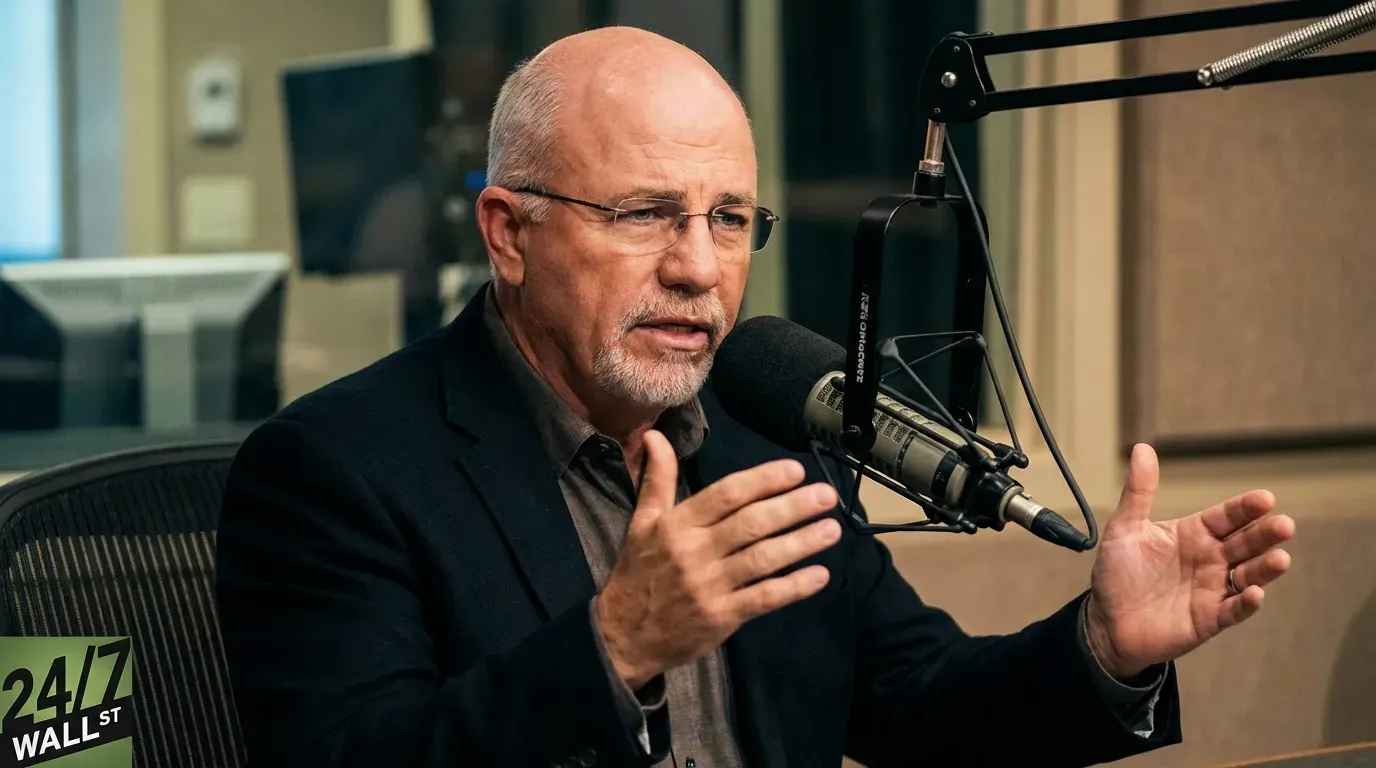
"His mortgage, car payment, and new debt obligations consume a disproportionate share of his actual take-home pay - not his gross salary - leaving almost nothing for the unexpected expenses that come with a growing family. Ramsey's verdict was direct: 'You just keep going about buying and buying and buying and buying.'"
"Each individual purchase seemed manageable in isolation. A $400 monthly mineral rights payment feels small against a $140K salary. A $514 car payment feels fine when you're comparing it to your gross income. The problem is that no one actually lives on their gross income, and no one makes only one discretionary purchase."
"The bike, the mineral rights, and the car represent concrete cash outlays with no equity-building purpose. The bike depreciates. The mineral rights are speculative. The car is a depreciating asset on a payment plan."
A six-figure earner making $140,000 annually called a financial advice show seeking criticism for poor spending habits. Despite a reasonable $3,250 mortgage funded by a $100,000 parental gift, he financed a $9,000 bike, $4,000 in mineral rights with $400 monthly payments, and carried a $514 car payment. With three children and another on the way, his checking account depleted rapidly. Each purchase seemed individually manageable against his gross income, but combined monthly obligations consumed a disproportionate share of actual take-home pay. This pattern exemplifies lifestyle inflation, where multiple discretionary purchases accumulate without building equity, leaving no financial cushion for unexpected expenses.
#lifestyle-inflation #high-income-earners #debt-management #discretionary-spending #financial-planning
Read at 24/7 Wall St.
Unable to calculate read time
Collection
[
|
...
]