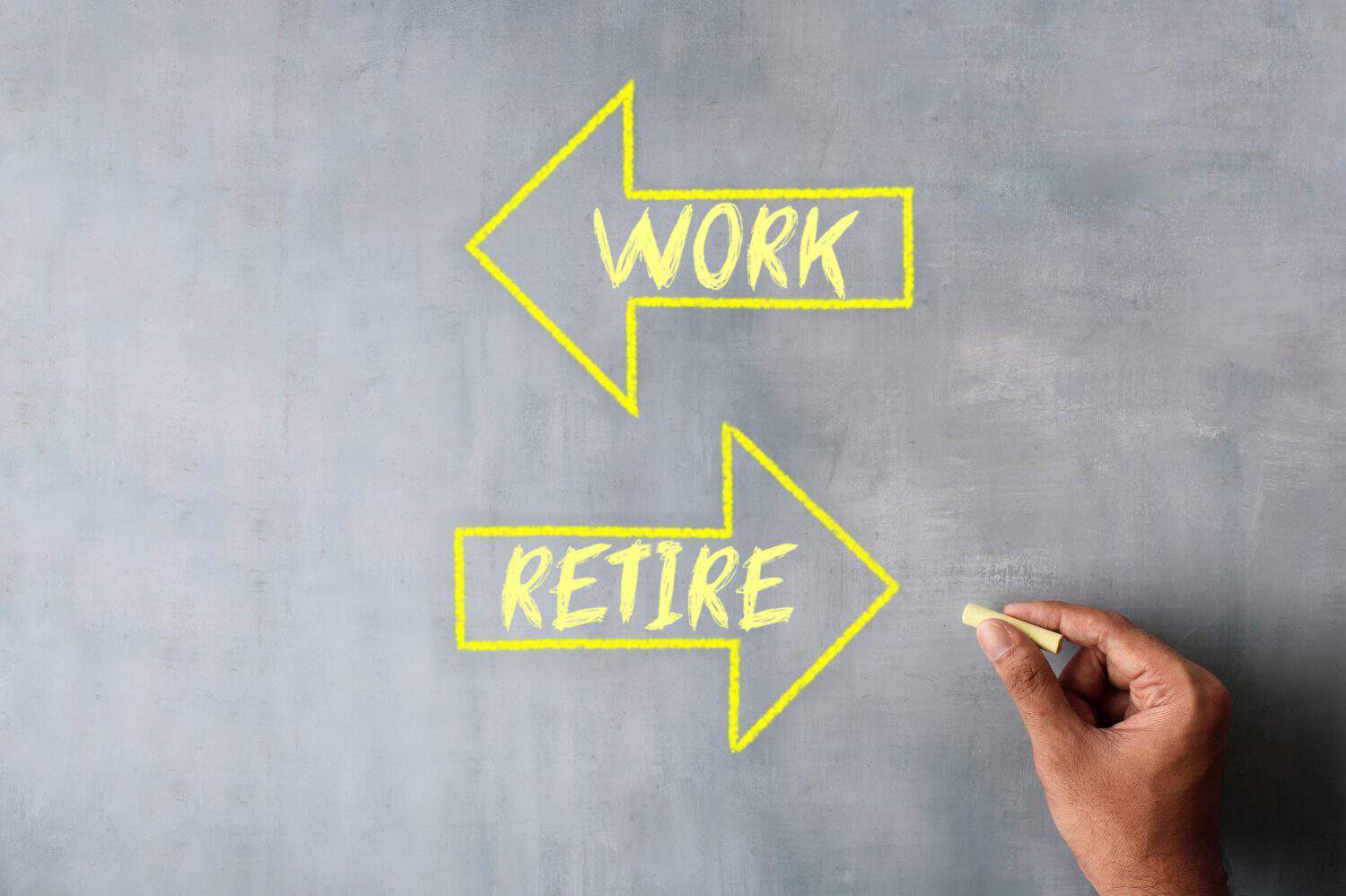
"Forty percent of adults expect to work during their retirement years. Of the 4,626 people surveyed, 1,876 said they are either already working past traditional retirement age or anticipate doing so once they reach it. At first glance, the headline reads like a shift in lifestyle preferences. The underlying responses show something more complicated: that 40% comprises two very different groups, divided by whether they want to work or feel they have to."
"Among the 1,876 who are working or planning to work in retirement, the survey captures both sides of the motivation curve. Some respondents point to purpose, social connection, or staying mentally active. Others cite financial pressure, including insufficient savings, debt, or the fear of outliving their assets. Northwestern Mutual allows respondents to select multiple reasons, which is why a single statistic can describe both the consultant who keeps a few clients for enjoyment and the retail worker who cannot afford to stop."
"The personal savings rate has been sliding at the exact moment households need it to rise. BEA data shows it falling from 6.2% in the first quarter of 2024 to 4% in the first quarter of 2026, even as per‑capita disposable income climbed from $63,638 to $68,617. Wages have been rising too, with average hourly earnings reaching $37.41 in April 2026, up from $34.47 in January 2024, yet consumption has grown faster than wages. Total personal saving dropped from $1,330.7 billion in early 2024 to $942.3 billion in early 2026, the lowest level in the BEA's nine‑quarter window."
Forty percent of adults expect to work during retirement years. Among 4,626 surveyed adults, 1,876 reported working past traditional retirement age or planning to do so. The group is not uniform, because motivations differ between wanting to work and feeling forced to work. Some people cite purpose, social connection, or staying mentally active. Others cite financial pressure, including insufficient savings, debt, or fear of outliving assets. The savings rate has declined while disposable income has risen, and consumption has grown faster than wages. Personal saving fell sharply over a recent nine-quarter window. Inflation adds additional pressure, contributing to the need to keep working.
Read at 24/7 Wall St.
Unable to calculate read time
Collection
[
|
...
]