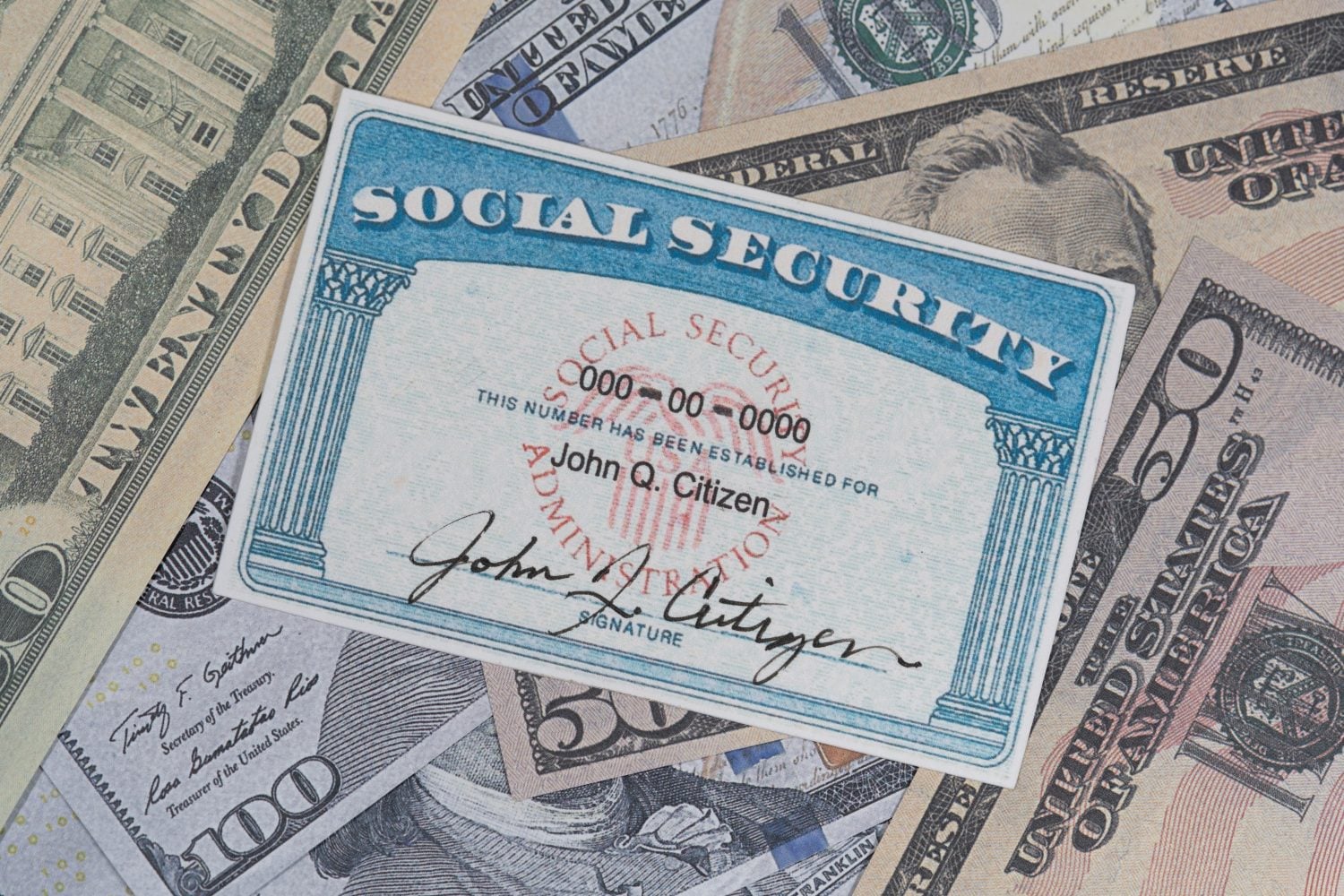
Social Security benefits can decline when income rules or benefit deductions change. Working before full retirement age triggers an earnings limit, and benefits are reduced for earnings above the threshold. In 2026, the reduction is $1 for every $2 earned above $24,480 if full retirement age is not reached that year, and $1 for every $3 earned above $65,160 if full retirement age will be reached later in the year. Withheld benefits are credited later when benefits are recalculated at full retirement age. Turning 65 and enrolling in Medicare can also reduce monthly Social Security payments because Medicare Part B premiums are deducted from Social Security checks. In 2026, Part B premiums cost $202.90. Overpayments must be repaid to avoid further benefit reductions.
"One of the first big reasons your benefits could decline is because you earn too much income before reaching your full retirement age (FRA). Once you've hit FRA, you are allowed to work as much as you want and still collect Social Security checks. Before that, you're subject to an earnings limit. In 2026, you lose $1 for every $2 you earn above $24,480 if you won't reach FRA all year, and $1 for every $3 earned above $65,160 if you will reach FRA but haven't done so yet."
"Eventually, you do get credit for the income withheld because of your excess earnings - but not until your benefits are recalculated at your FRA. This cut to benefits doesn't mean you can't work, and, in fact, you may benefit by making your future checks bigger later if you do. But you need to be prepared for it so you aren't counting on getting income from both Social Security and a paycheck and then left with bills you can't pay when that doesn't happen."
"Signing up for Medicare is a milestone many people look forward to, because your Medicare benefits can provide insurance coverage for essential care. However, Medicare Part B is not free. In 2026, premiums cost $202.90. Most people have their premiums taken out of their Social Security checks. If you do, you can expect to see your retirement payments get smaller once you have to start paying for your coverage."
Read at 24/7 Wall St.
Unable to calculate read time
Collection
[
|
...
]