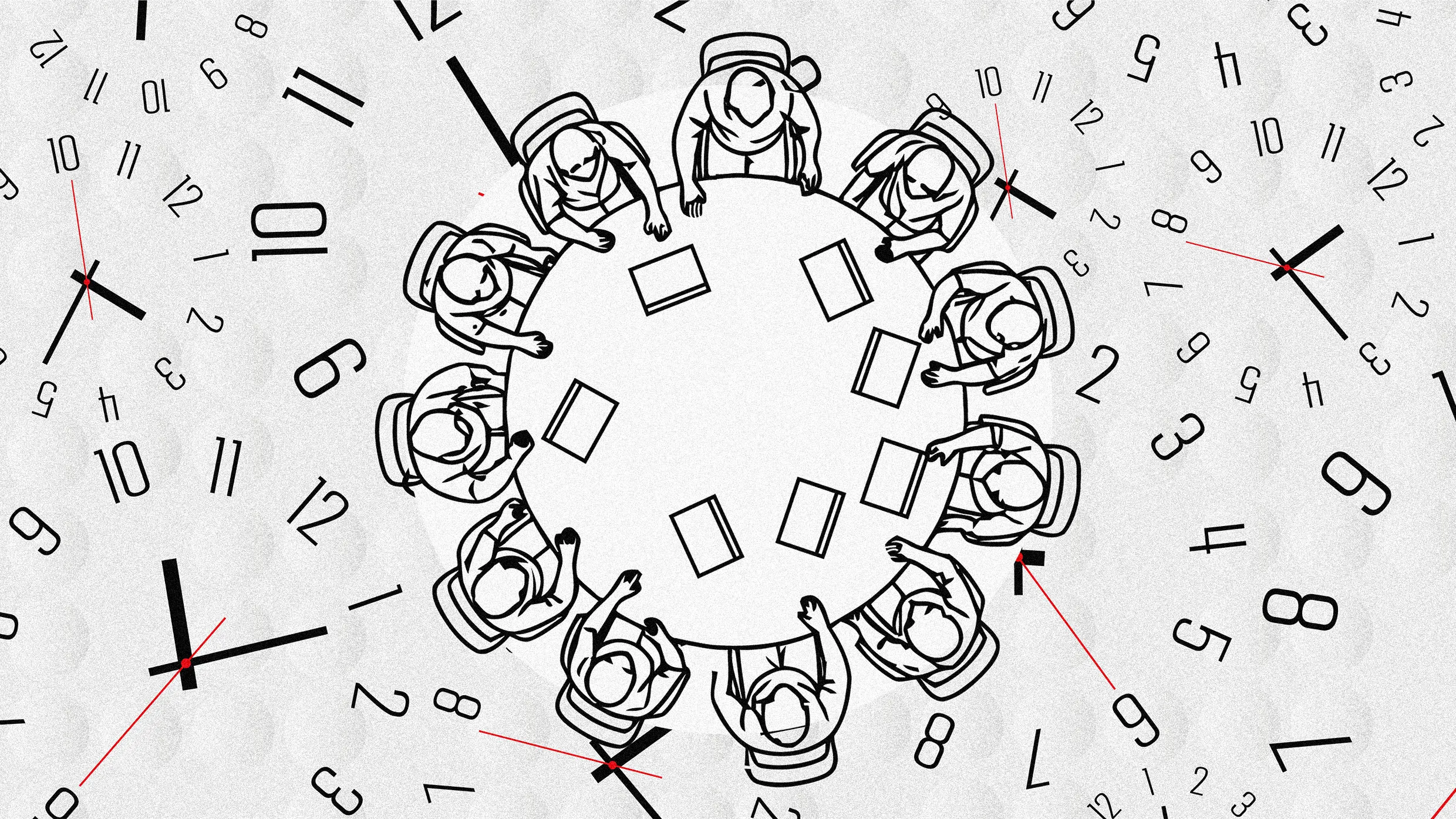
"One of the biggest misconceptions about meetings is that they always need to be in a formal conference room with a set agenda and an hour on the clock. In reality, the most effective meetings don't always look like that, especially depending on your industry or the makeup of your team."
"For example, if you're working in health care, manufacturing, or retail, your meetings might take the form of pre- or post-shift huddles. For teams that work remotely or across different time zones, you may turn instead to asynchronous communication methods, like shared documents or video updates, instead of meeting in real time."
"But effective meetings aren't just about planning; they're also about how you engage with your team during them. This is where active listening becomes essential."
Many meetings waste time by delivering information that could be communicated via email, leaving participants disengaged and unproductive. The solution isn't eliminating meetings entirely, but reimagining their format and purpose. Effective meetings adapt to specific industry needs and team structures—healthcare and retail may use shift huddles, while remote teams benefit from asynchronous communication like shared documents or video updates. The key to meaningful meetings lies in active listening and genuine engagement rather than adhering to traditional conference room formats. Managers can employ frameworks like Pause-Consider-Act to ensure meetings remain purposeful and valuable for all participants.
#meeting-effectiveness #workplace-communication #team-engagement #asynchronous-communication #active-listening
Read at Fast Company
Unable to calculate read time
Collection
[
|
...
]