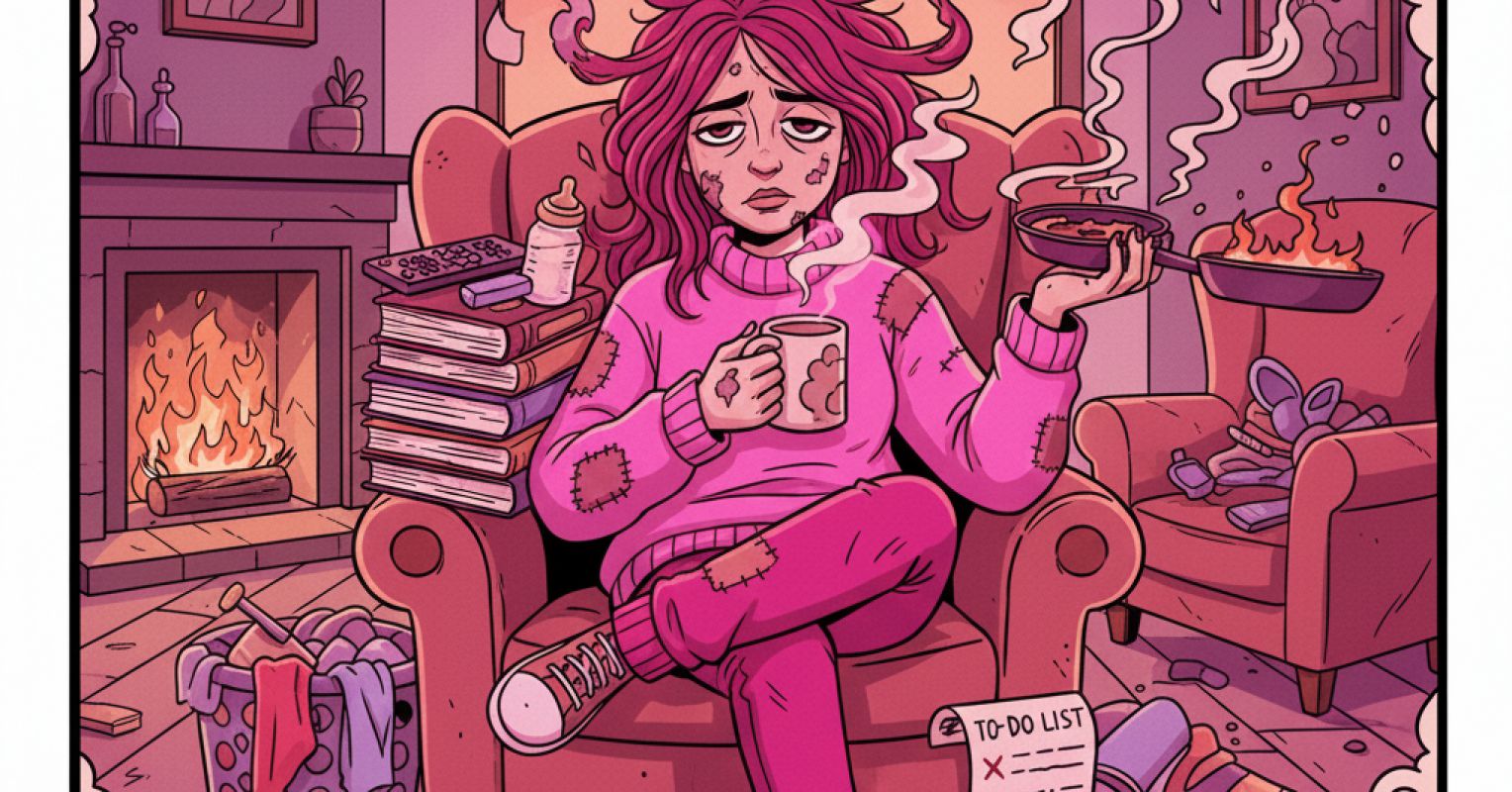
Eldest daughters frequently conflate caregiving with control, assuming responsibilities like organizing vacations, calling service providers, and coordinating gifts. This behavior stems from intergenerational vigilance and gendered expectations that teach daughters to anticipate others' emotional needs. Anticipation of emotions leads to over-functioning: resolving group texts, soothing moods, and becoming the family's emotional backbone. Over-functioning can breed resentment and brittleness. Awareness of these patterns is the first step toward change. Lowering expectations and stopping automatic fixing allows others to step up. Real change requires tolerating discomfort instead of rescuing, enabling recalibration of roles through deliberate choices: call it, calibrate it, change it.
"When you're the one who organizes the family vacation, calls the plumber for your parents, and coordinates every Mother's Day gift, it's easy to feel resentful that nobody else is stepping up to help. Often, the eldest daughter is the one who notices-and in noticing, begins to believe she's responsible. Family researchers have long described this as intergenerational vigilance (Miller-Ott et al., 2017), a sense of watchfulness passed down through gendered expectations."
"You know what I love about Taylor Swift's song " Eldest Daughter"from The Life of a Showgirl album? She calls out the armor a daughter wears. She acknowledges that the eldests grow tough exteriors, may be gruff or seem cold. It's an outcome that happens because you're trying not to get hurt. You believe you need that shell. It can be hard for the eldest to tell (or show) others that they need love, want love, and believe their family will show up and give it to them."
Read at Psychology Today
Unable to calculate read time
Collection
[
|
...
]