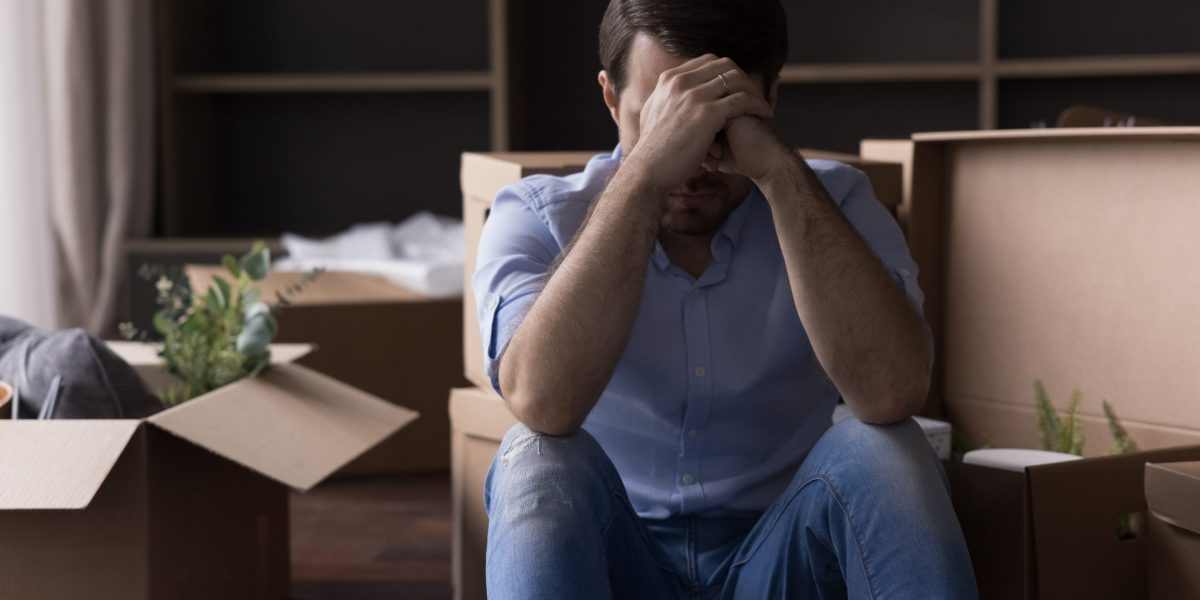
"The mere hope of maybe becoming a homeowner someday is such a potent motivator that it affects how people work, consume and invest, but many Americans are writing off that dream, researchers said. According to a paper published earlier this month from Northwestern University's Seung Hyeong Lee and the University of Chicago's Younggeun Yoo, younger generations are not just delaying homeownership-they are increasingly giving up on it. That's as the housing affordability crisis has put ownership out of reach for millions. The median house price was 5.81 times the median household income in 2022, up from a ratio of 4.52 in 2010 and 3.57 in 1984. And that doesn't include related costs that have grown like insurance."
"On the flip side, renters who hold on to dreams of owning a home tend to be more careful with their money and keep hustling at work, putting them on the path to ownership. "These dynamics underscore the powerful role of hope: belief in the attainability of homeownership shapes savings, work effort, and investment decisions in compounding ways over the life cycle, with profound implications for long-run wealth inequality," they wrote."
Hope of owning a home strongly influences work effort, saving, consumption, and investment choices across the life cycle. Housing affordability has worsened: median house prices reached 5.81 times median household income in 2022, up from 4.52 in 2010 and 3.57 in 1984, excluding rising related costs like insurance. When homeownership appears unattainable, renters shift away from saving for down payments and toward higher consumption and riskier investments. Renters who maintain belief in eventual ownership save more and exert greater work effort. Millennial renters with zero down-payment savings rose from 48% in 2018 to 67% in 2023.
Read at Fortune
Unable to calculate read time
Collection
[
|
...
]