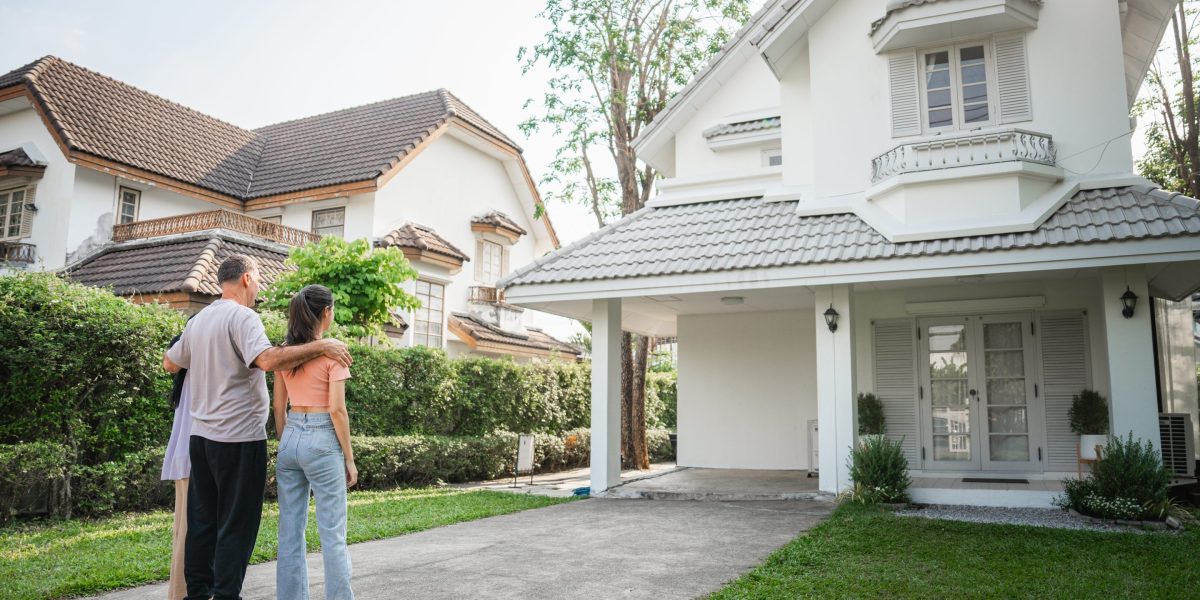
"During the lock-in effect period, millions of existing homeowners with ultra-low rates have been financially disincentivized to move or "trade up," i.e., buy a more expensive or larger home, which made the number of homes for sale scarce for would-be homebuyers. This led to younger-generation bidding wars for a limited pool of starter homes and kept many locked out of the market."
"But now there's a crack in the lock-in effect: Real estate investor and Reventure CEO Nick Gerli recently said that as of the end of 2025, there are actually now more homeowners with mortgage rates higher than 6% than borrowers locked into sub-3% rates, ending one of the most generous eras for home financing in modern history."
Pandemic-era mortgage rates dipped below 3%, driving a surge in homebuying among younger generations. In subsequent years, mortgage rates and home prices rose while inflation and wages stagnated, creating affordability pressures. Many homeowners retained sub-3% mortgages, producing a lock-in effect that reduced inventory and constrained move-up buying. As of the end of 2025, a greater share of homeowners carry mortgage rates above 6% than those with sub-3% rates, signaling the lock-in effect is weakening. Reduced inventory fueled bidding wars, pushing the average first-time buyer age to 40 in 2025 and shrinking first-time buyer share to 21%.
Read at Fortune
Unable to calculate read time
Collection
[
|
...
]