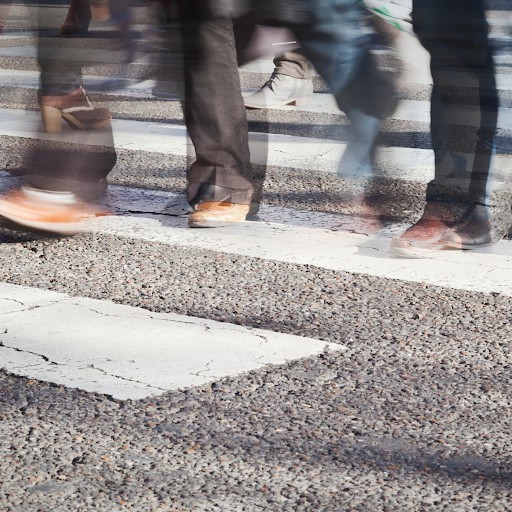
"When New York City launched Vision Zero in 2014, it represented one of the most ambitious traffic safety initiatives in the city's history. The goal was bold and uncompromising: eliminate all traffic deaths on city streets. Now, more than a decade later, the program has achieved meaningful successes, however, the data tells us that pedestrians in Queens still face significant dangers every single day."
"Vision Zero arrived in New York City with the understanding that traffic deaths are not inevitable accidents but preventable tragedies. The program borrowed its framework from Sweden, where a similar initiative had dramatically reduced road fatalities since the 1990s. The core philosophy is straightforward: human life should take priority over convenience, and city streets should be designed to protect the most vulnerable userspedestrians and cyclists."
"Perhaps no project better exemplifies Vision Zero's potential than the transformation of Queens Boulevard. The redesign introduced expanded medians that give pedestrians a safe refuge when crossing the boulevard's many lanes. New bike lanes separated cyclists from vehicle traffic, reducing conflicts between different road users. Pedestrian islands were installed at key intersections, breaking up long crossings into more manageable segments. Signal timing was adjusted to give pedestrians more time to cross safely."
Vision Zero launched in New York City in 2014 with the goal of eliminating all traffic deaths. The program treats traffic fatalities as preventable and borrows strategies from Sweden’s long-running initiative. In Queens, planners applied Vision Zero through tangible street redesigns, most notably a comprehensive overhaul of Queens Boulevard. The redesign added expanded medians, separated bike lanes, pedestrian islands, and adjusted signal timing to improve crossing safety. The changes led to a significant decline in pedestrian fatalities on Queens Boulevard after years of high death rates. Despite these gains, pedestrians across Queens continue to face substantial daily safety risks.
Read at www.amny.com
Unable to calculate read time
Collection
[
|
...
]