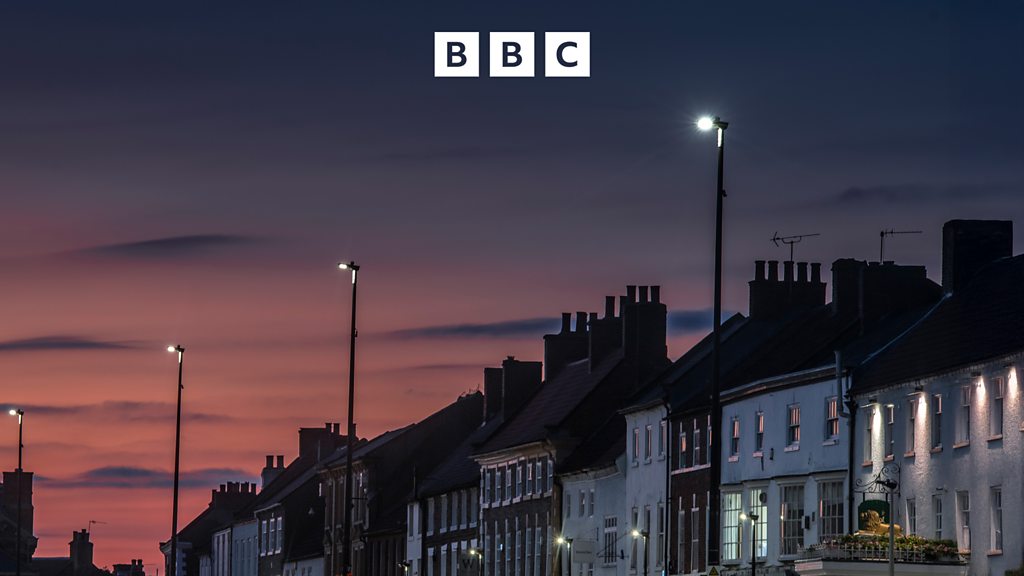
"The future looks bright... thanks to rising artificial light pollution. Our towns and cities are more illuminated than they have ever been. And this light might be spilling over into our lives and impacting our health. Recent headlines have linked exposure to artificial light at night with Alzheimer's disease, capturing the attention of broadcaster and neuroscientist, Julia Ravey. While this research field is in its infancy, Julia wondered just how much has been uncovered about the human health implications of this inconspicuous pollutant."
"Over millennia, the application of light - from flame to gas lamps to LEDs - has been essential for facilitating leaps forward in our advancement. Nick Dunn, Professor of Urban Design at the University of Lancaster, explores how this intertwined history between humans and artificial light, and how our deep-seated feelings about the dark, may have contributed towards our over-illuminated cities."
"But a question remains - could simply living in our ever brightening urban environments erode our health? Early studies are beginning to give us clues. While research progresses, night-time light levels continue to increase. But some are hoping to buck the trend. In Sedbergh, Julia meets Janey and Jack, who show her some newly fitted "dark skies friendly" streetlamps, saving both on bills and sky glow."
Artificial night-time light is increasing across towns and cities and may be spilling into people's lives with potential health impacts. Recent headlines have linked exposure to night-time artificial light with Alzheimer's disease, prompting investigation. The historical use of light—from flame to gas lamps to LEDs—has driven societal advances but also shaped urban illumination. Urban design perspectives suggest cultural attitudes toward darkness contribute to over-illumination. Circadian neuroscience shows artificial night light allows defiance of biological rhythms, producing health consequences. Early studies offer preliminary clues about long-term effects while some communities adopt dark-skies friendly lighting to reduce sky glow and energy bills.
Read at BBC
Unable to calculate read time
Collection
[
|
...
]