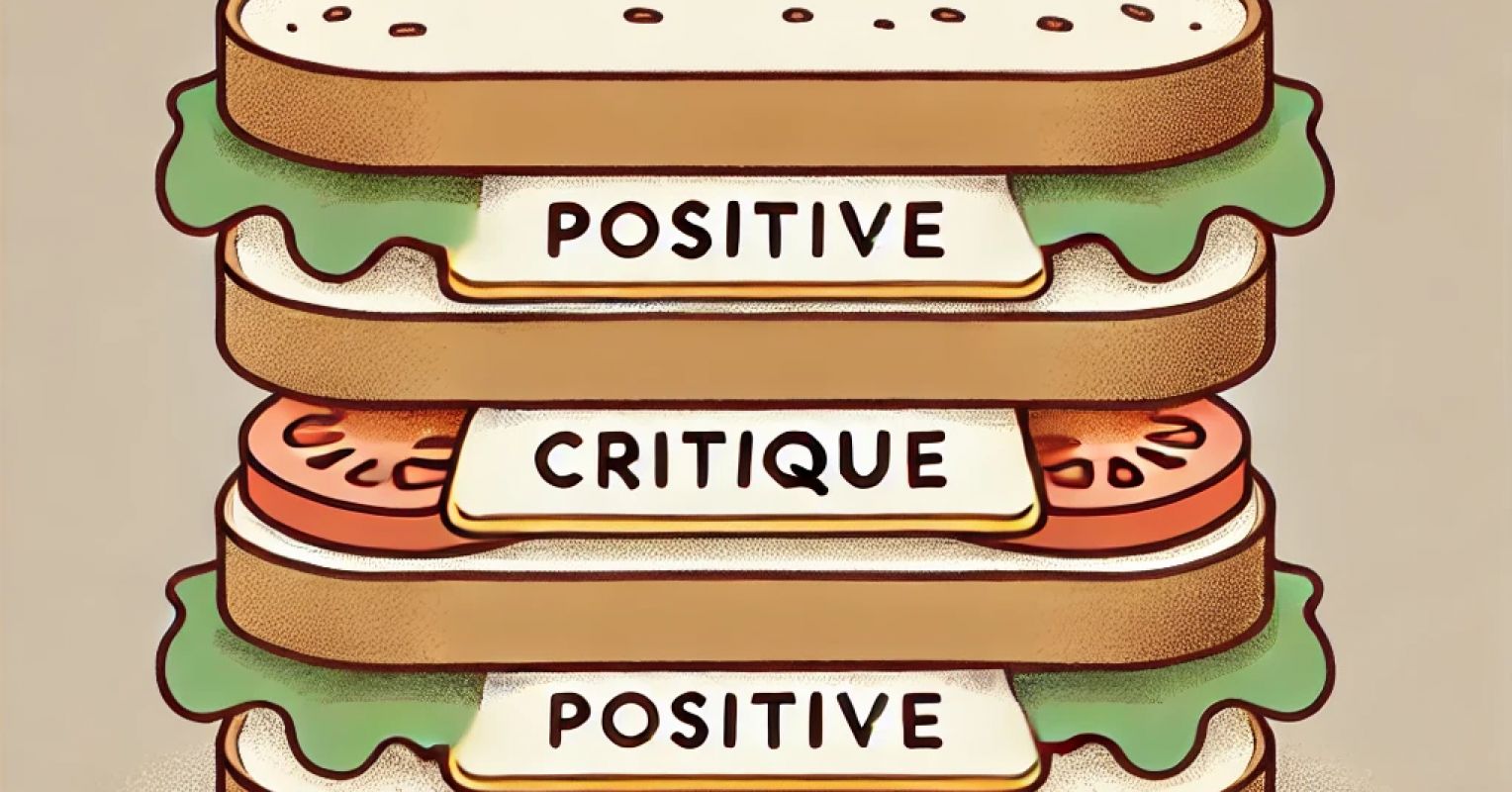
"Here is the part the management handbooks tend to skip: What the sandwich primarily manages is the giver's discomfort, treating the receiver's growth is a secondary concern at best. Delivering critical feedback is uncomfortable, and most people will do a surprising amount of work to avoid the moment when someone's face falls or the room gets quiet."
"The sandwich gives the giver a script that feels kind, creates the sensation of balance, and lets the person walking into a hard conversation believe they have handled it gently, when what they have actually done is package their own anxiety in a layer of praise that the receiver will see through."
The feedback sandwich—opening with praise, delivering criticism in the middle, and closing with praise—is a widely taught but flawed approach to giving feedback. Research indicates that one-third of feedback interventions actually decrease performance. The sandwich technique primarily serves to manage the giver's discomfort rather than facilitate the receiver's growth. When used repeatedly, it conditions people to view compliments as precursors to criticism, undermining their effectiveness. Praise and criticism function most effectively as separate acts, each given its own dedicated moment and purpose, rather than combined in a single interaction designed to soften the delivery.
Read at Psychology Today
Unable to calculate read time
Collection
[
|
...
]