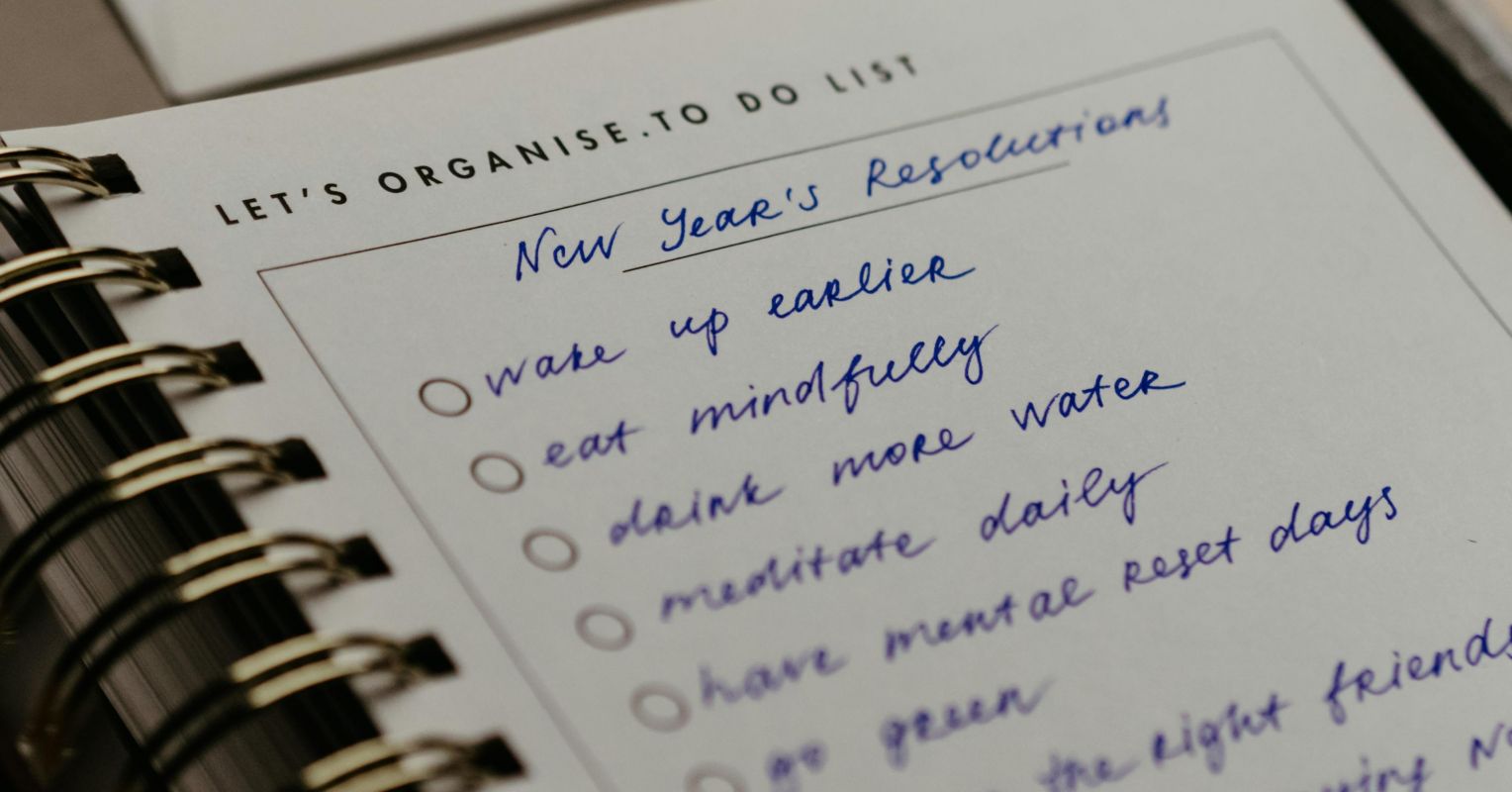
"While we often blame ourselves when we can't stick to our ideal behaviors, we aren't bad or lazy. We're often suffering from the simple math of the immediate rewards not outweighing the costs. One stumbling block with behavior change is that we usually don't feel like doing it. Our emotions are designed to motivate us to address the short-term threats and rewards in front of us, not the nuances of each action's long-term consequences."
"So much of the time, our behaviors are reinforced by things that we aren't even aware of, because we're entangled in many complex systems where our individual behaviors create cascades in multiple relationships and feedback loops. For example, when we try to assert boundaries, prioritize balance, or advocate for justice and equity, these changes may affect other people in our system who may try to push us back to the status quo."
Behavior change attempts frequently fail because immediate costs outweigh short-term rewards, creating a mathematical barrier rather than a willpower problem. Emotions prioritize addressing immediate threats and rewards over long-term consequences within complex systems. Guilt and shame from unmet expectations often intensify unhelpful behaviors through the abstinence violation effect. Relationships and social systems unconsciously reinforce old behaviors while punishing new ones, sabotaging individual goals. When people attempt boundary-setting, balance prioritization, or equity advocacy, others in their system may resist these changes to maintain the status quo. Reinforcement proves more effective than punishment for achieving lasting behavioral change.
Read at Psychology Today
Unable to calculate read time
Collection
[
|
...
]