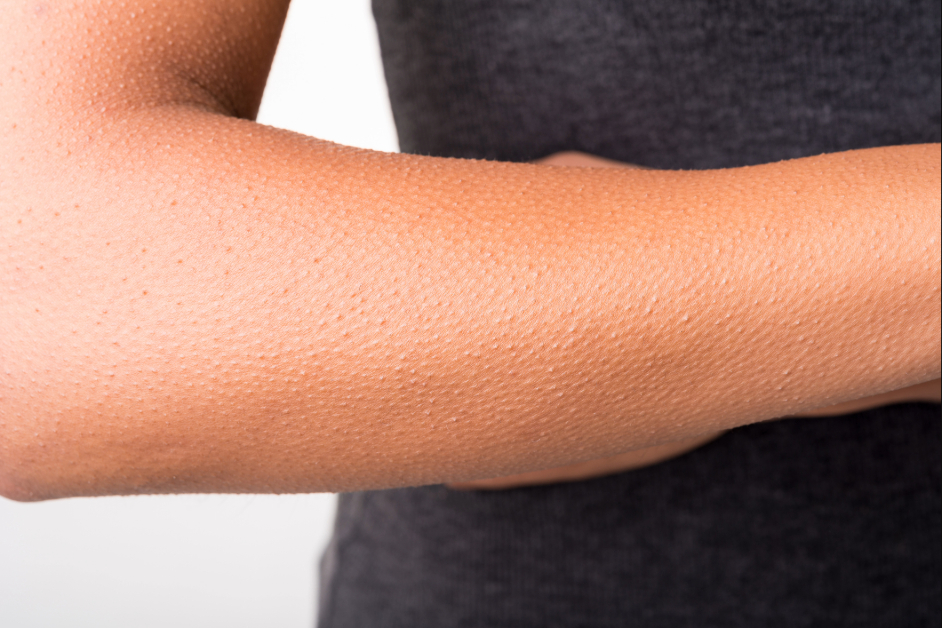
ASMR (Autonomous Sensory Meridian Response) is a pleasantly tingling sensation typically starting on the scalp and moving down the spine, paired with deep calm and well-being. Though the term was coined in 2010 by Jennifer Allen, the experience is ancient—triggered by whispering, soft sounds, and focused attention. Bob Ross demonstrated this effect decades before ASMR had a name through his hushed voice and gentle brush strokes. Brain imaging shows ASMR activates regions associated with social bonding, reward, and emotional awareness, involving dopamine, endogenous opioids, and possibly oxytocin. The response appears connected to primate grooming behaviors, suggesting evolutionary roots in social bonding.
"ASMR (Autonomous Sensory Meridian Response) is a pleasantly tingling, wave-like sensation. It typically starts on the scalp and can move down the neck and spine. It is often paired with a deep sense of calm and well-being. For some people it's triggered by whispering, soft repetitive sounds, or slow, focused attention. Researchers describe it less as something mystical and more as a gentle, full-body relaxation response."
"The term was coined in 2010 by Jennifer Allen, but the experience is far older than the acronym. Bob Ross, the American painting instructor whose television show The Joy of Painting ran for over a decade, was triggering it in millions of viewers throughout the 1980s, with that famous hushed baritone and the gentle scratch of brush on canvas, decades before anyone thought to give the feeling a clinical name."
"During ASMR, researchers see increased activity in areas like the medial prefrontal cortex, nucleus accumbens, and insula. These circuits also show up in social bonding, reward, and emotional awareness. Scientists suspect that familiar players like dopamine, endogenous opioids, and perhaps oxytocin are involved in these patterns, although the exact chemistry is still being mapped out."
Read at The Gottman Institute
Unable to calculate read time
Collection
[
|
...
]