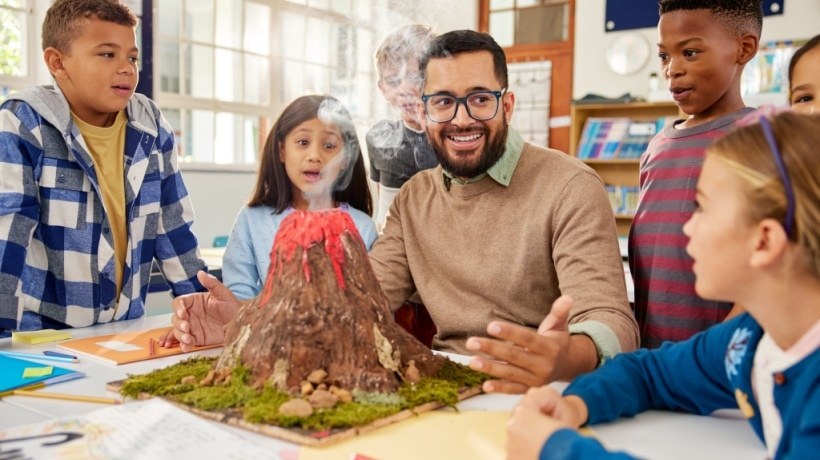
Vicarious conditioning occurs when individuals acquire behaviors, fears, or emotional responses by observing others rather than through direct experience. Observation of a model—such as a parent, friend, coworker, teacher, or media figure—triggers learning of emotional reactions and behaviors. Observed outcomes like fear, reward, or punishment become associated with situations, enabling the observer to form learned responses. This process shapes everyday habits, reactions to stress, perceptions of authority and risk, and social acceptability judgments. Vicarious conditioning is grounded in behavioral psychology and social learning theory and applies to education, therapy, workplace dynamics, and media influence.
"This type of learning affects our daily lives more than many people think. For example, we might develop a fear after seeing someone get hurt, pick up habits from our coworkers, or learn what is acceptable in society by watching how others are treated. Vicarious learning also influences how we react to stress, authority, risk, and even success. It shapes our habits, emotional responses, and decisions, often without us realizing it."
"Vicarious conditioning is a psychological learning process in which individuals acquire behaviors, fears, or emotional responses by observing others, rather than through direct experience. In simple terms, it means we learn how to feel or act by watching what happens to someone else. This type of learning affects our daily lives more than many people think. For example, we might develop a fear after seeing someone get hurt,"
Read at eLearning Industry
Unable to calculate read time
Collection
[
|
...
]