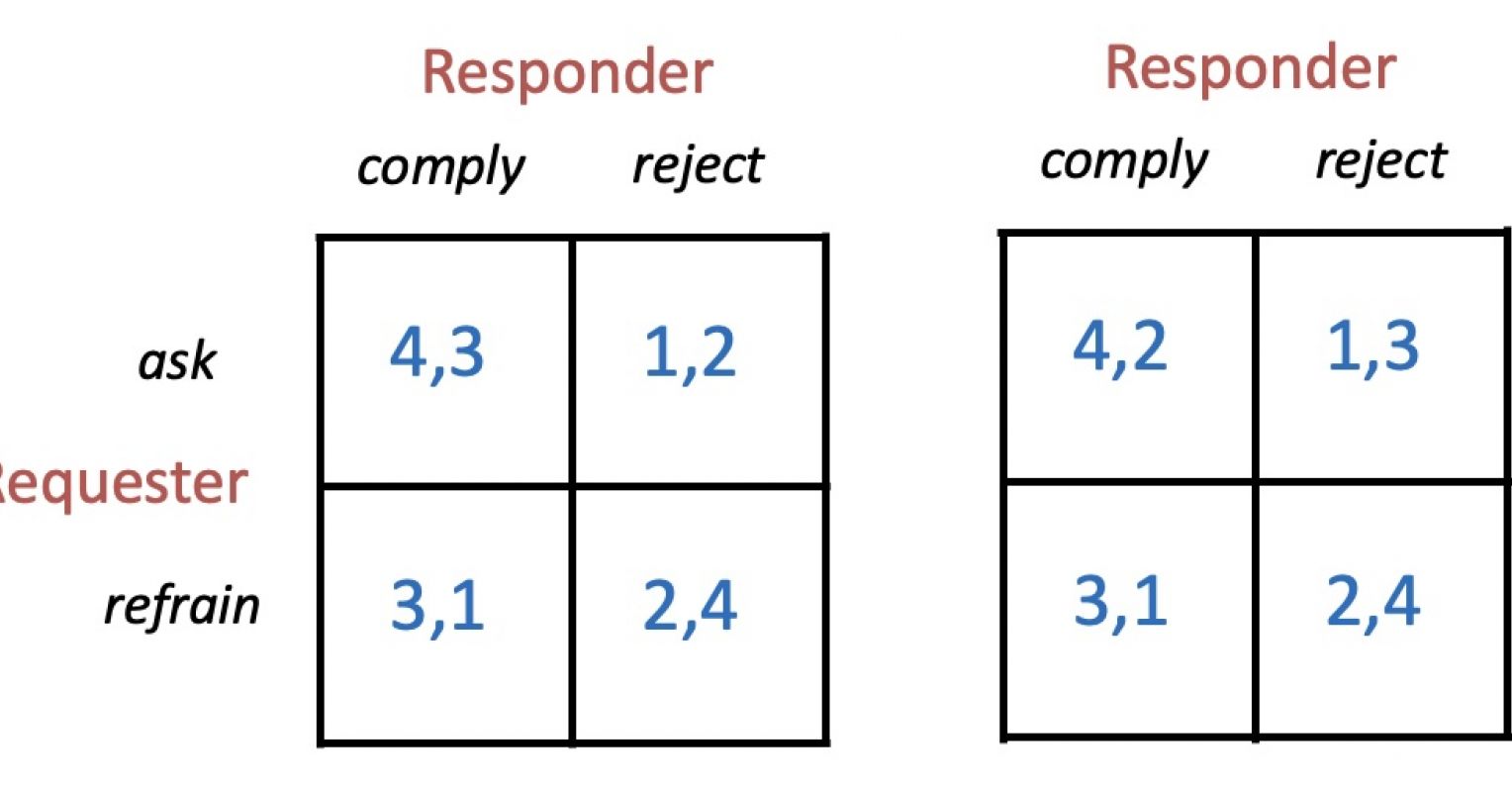
"Albert Ellis was one of the founders of what is now known as cognitive-behavioral therapy. In the early days, Ellis called his own system rational emotive therapy (Ellis, 1962). His central idea was that debilitating emotions are caused by irrational beliefs, an idea inspired by ancient Stoic philosophy. Perhaps the most prominent of such irrational beliefs is the idea that being rejected by a valued or desired person amounts to a psychological catastrophe."
"During therapy sessions, Ellis disputed his clients' irrational beliefs, trying to get the clients to understand, for example, that social rejection is but a momentary setback but not the end of the world. On the behavioral plane, Ellis encouraged sufferers of social anxiety to seek out situations where rejection was likely, so that they could learn to cope with the inevitable reality of the occasional - or even frequent - rejection."
"This way, they could enjoy their social successes, which they would have never experienced had they surrendered to the lure of avoidance learning. In 1981, I had the pleasure of meeting Ellis during a workshop he gave in Wiesbaden, Germany. I expressed my interest in his theory and method, and he agreed to do a brief role play with me to see if I was able play the part of the rational-emotive therapist. If so, I might qualify to train for an advanced certificate."
Rational emotive therapy treats social anxiety by identifying and disputing irrational beliefs that turn social setbacks into perceived catastrophes. The therapy combines cognitive disputation with behavioral encouragement to seek out situations involving social risk so that individuals can learn to tolerate rejection and experience social success rather than avoid interaction. Game theory provides a framework for understanding social dynamics and the strategic risks people take when facing potential rejection. Experience sampling and repeated exposure to social risk increase social competence by providing feedback and corrective learning from real interpersonal outcomes. A role-play assessment exemplifies therapeutic training in applying these techniques.
Read at Psychology Today
Unable to calculate read time
Collection
[
|
...
]