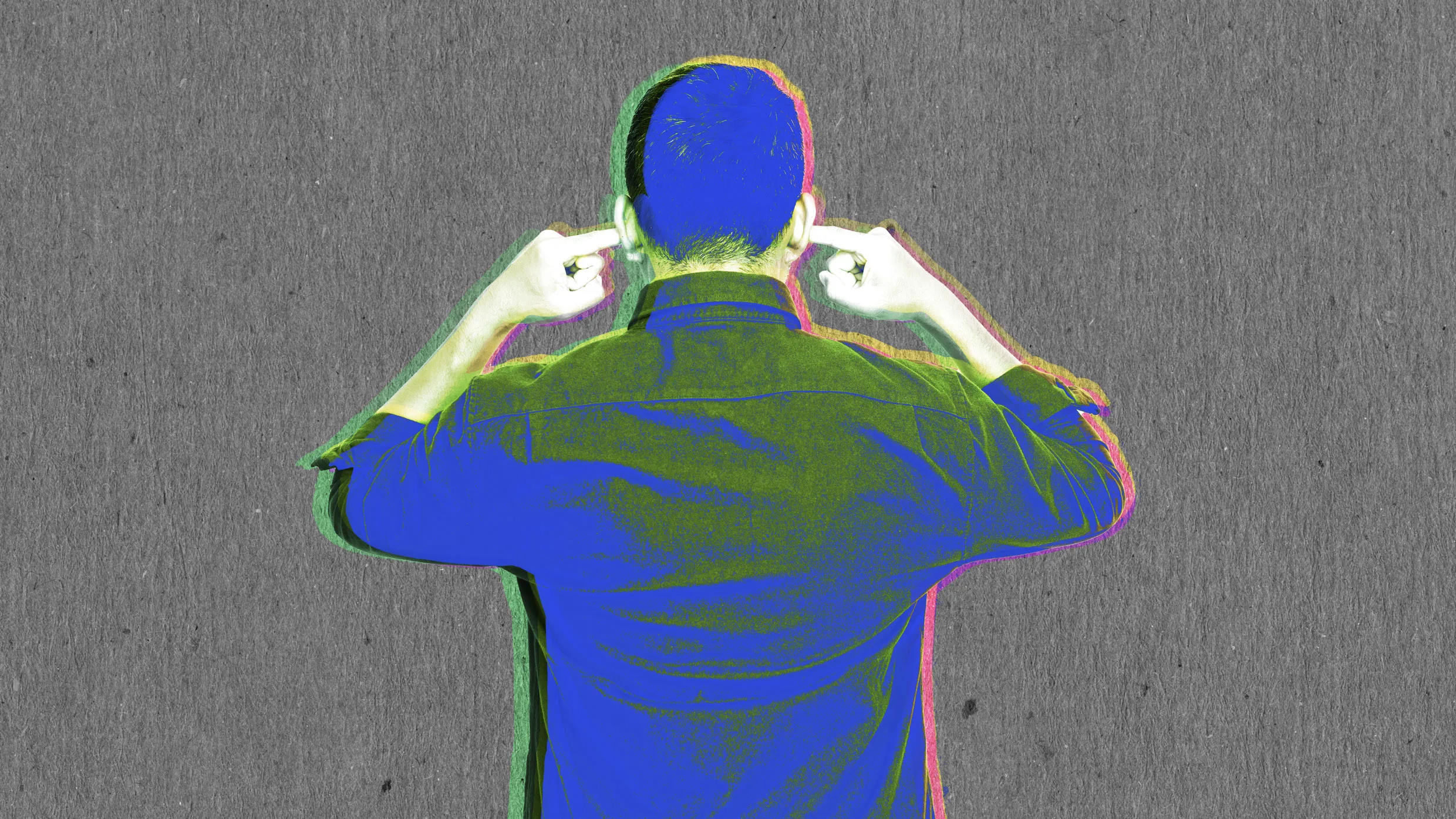
"The core assumption of the information deficit model is that when people lack basic knowledge, exposing them to new evidence will change their opinions. But that assumes that their minds are blank slates, which is rarely true for most subjects and contexts."
"When confronted with evidence that contradicts our beliefs, we're more likely to question the evidence than to update our views. Our brains prefer stability to change."
"To change deeply held beliefs, individuals must not only accept new evidence but also discard old beliefs that have guided their understanding of the world."
"Barriers to changing beliefs include established synaptic pathways in the brain, social pressures from communities, and the emotional investment in existing views."
The information deficit model suggests that providing knowledge will change behavior, but research shows this is often ineffective. People rarely alter their beliefs when confronted with new evidence, preferring stability over change. Existing beliefs create mental frameworks that are difficult to dismantle. For instance, flat earth believers do not just lack knowledge; they have a comprehensive model that must be unlearned. Overcoming these barriers involves addressing ingrained neural pathways and social pressures from like-minded communities.
Read at Fast Company
Unable to calculate read time
Collection
[
|
...
]