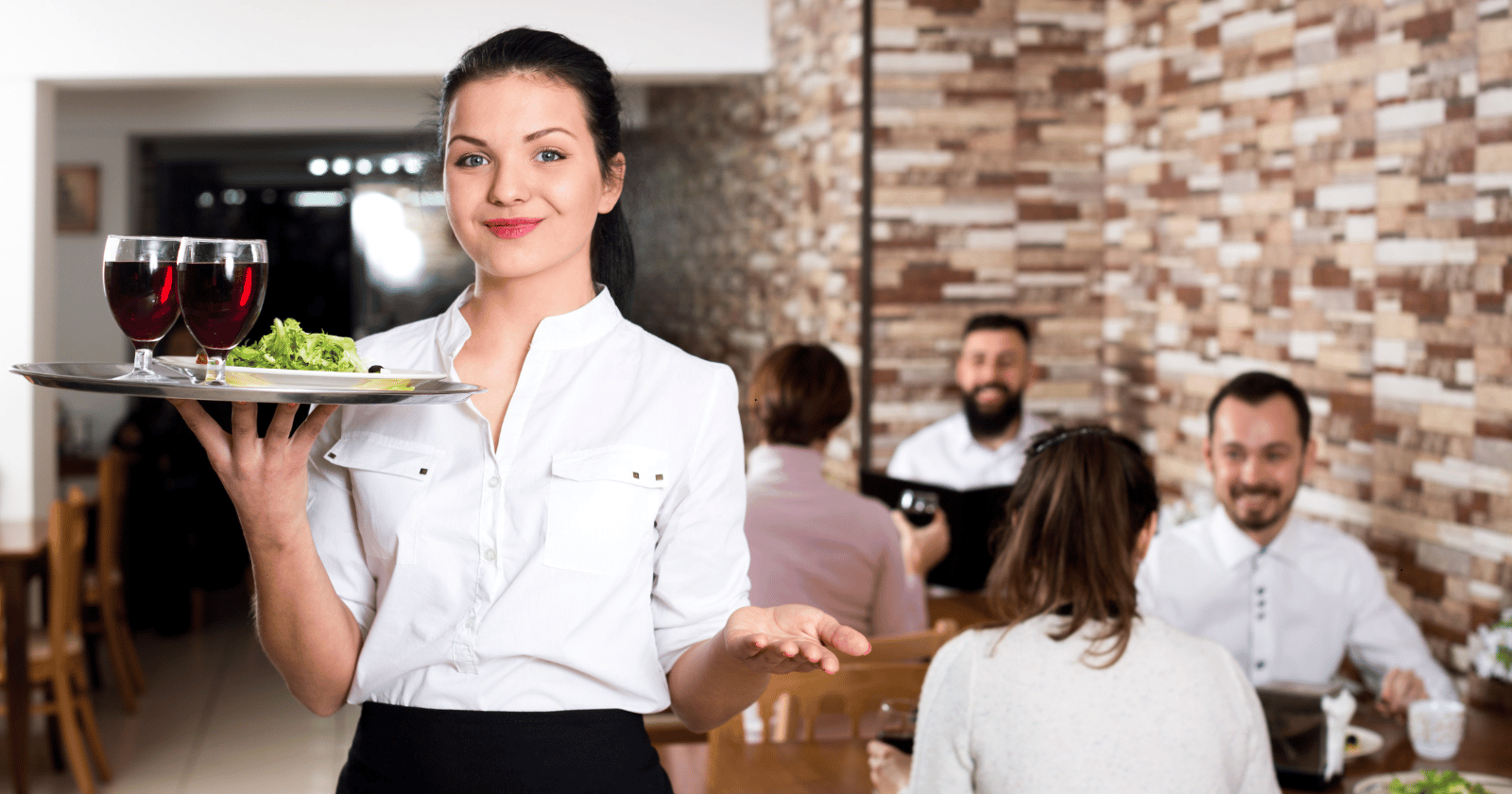
Servers perform a thirty-second assessment with a mental checklist to gauge tipping likelihood by reading social cues. Eye contact functions as an early indicator of respect and engagement, often correlating with higher tips. Relaxed posture, leaning back, and minimal phone use signal enjoyment of the dining experience and predict more generous gratuities. Closed-off body language, annoyance, and constant phone checking typically predict lower tips. Veteran servers develop pattern recognition through thousands of interactions, and findings about nonverbal communication—often cited as 70% to 90% of communication—underscore why first impressions at a table matter.
"Picture this: a couple walks into a restaurant on a Friday night. They glance around, choose their table, and settle into their seats. Before they've even opened their menus, their server already has a pretty good idea whether they'll leave 10% or 25%. It sounds like mind reading, but after talking with dozens of servers over the years, I've learned it's more like pattern recognition honed by thousands of interactions."
"Every server I've interviewed describes a similar mental checklist that runs through their head when greeting a new table. It's not about judging people's worth or making assumptions based on appearance alone. Instead, it's about reading social cues that correlate with tipping behavior. Eye contact is the first tell. Customers who make genuine eye contact and acknowledge their server as a person rather than furniture tend to tip better."
Read at Silicon Canals
Unable to calculate read time
Collection
[
|
...
]