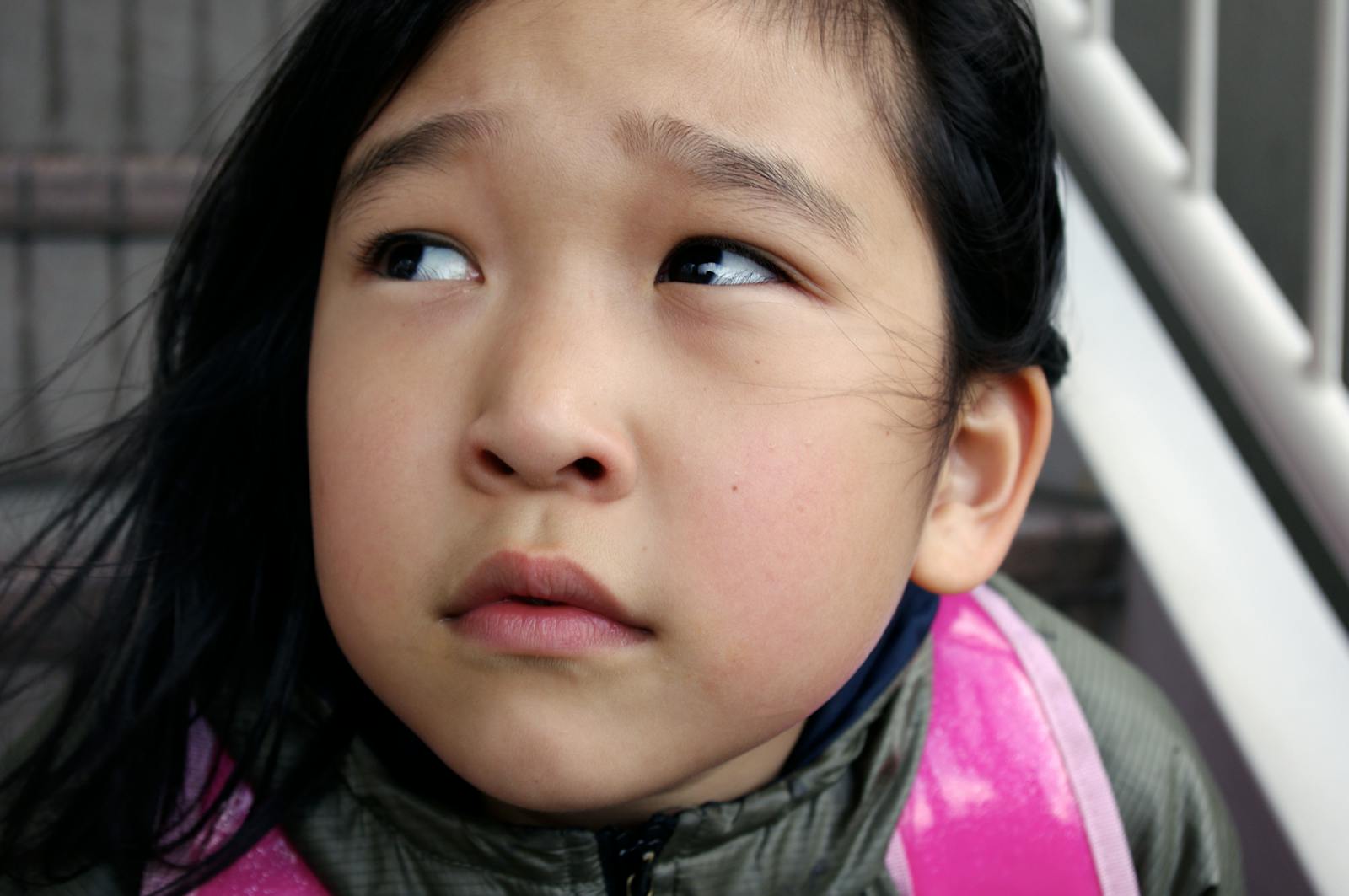
Silence in conflict often signals a calculated emotional response rather than a lack of engagement. Individuals may stop talking not due to an inability to express themselves, but because they are assessing the emotional cost of their words. This behavior is a learned response to the consequences of emotional expression during conflict. Unlike emotional flooding, which is involuntary, this silence is a form of triage, where the person evaluates the threat level and the intent of the other party before deciding to speak.
"When someone goes quiet mid-argument, the visible behaviour looks like nothing. An absence. But what's happening internally is anything but passive. The person is running an assessment. They are scanning for threat level, for tone shifts, for whether the other person is listening to understand or listening to reload. They're weighing the emotional cost of each possible sentence before it leaves their mouth."
"Most people read silence in conflict as either passive aggression or emotional shutdown. The conventional wisdom says the quiet person is either punishing you or incapable of processing their feelings in real time. Both readings assume a deficit. Something broken. Something withheld as a weapon."
"That misses a third possibility, one that's far more common and far less discussed: that the silence is an act of precision, learned early and practiced until it became automatic. That the person has gone quiet not because they can't speak, but because they learned, possibly before they were old enough to name the lesson, that emotional expression during conflict had consequences they couldn't afford."
Read at Silicon Canals
Unable to calculate read time
Collection
[
|
...
]