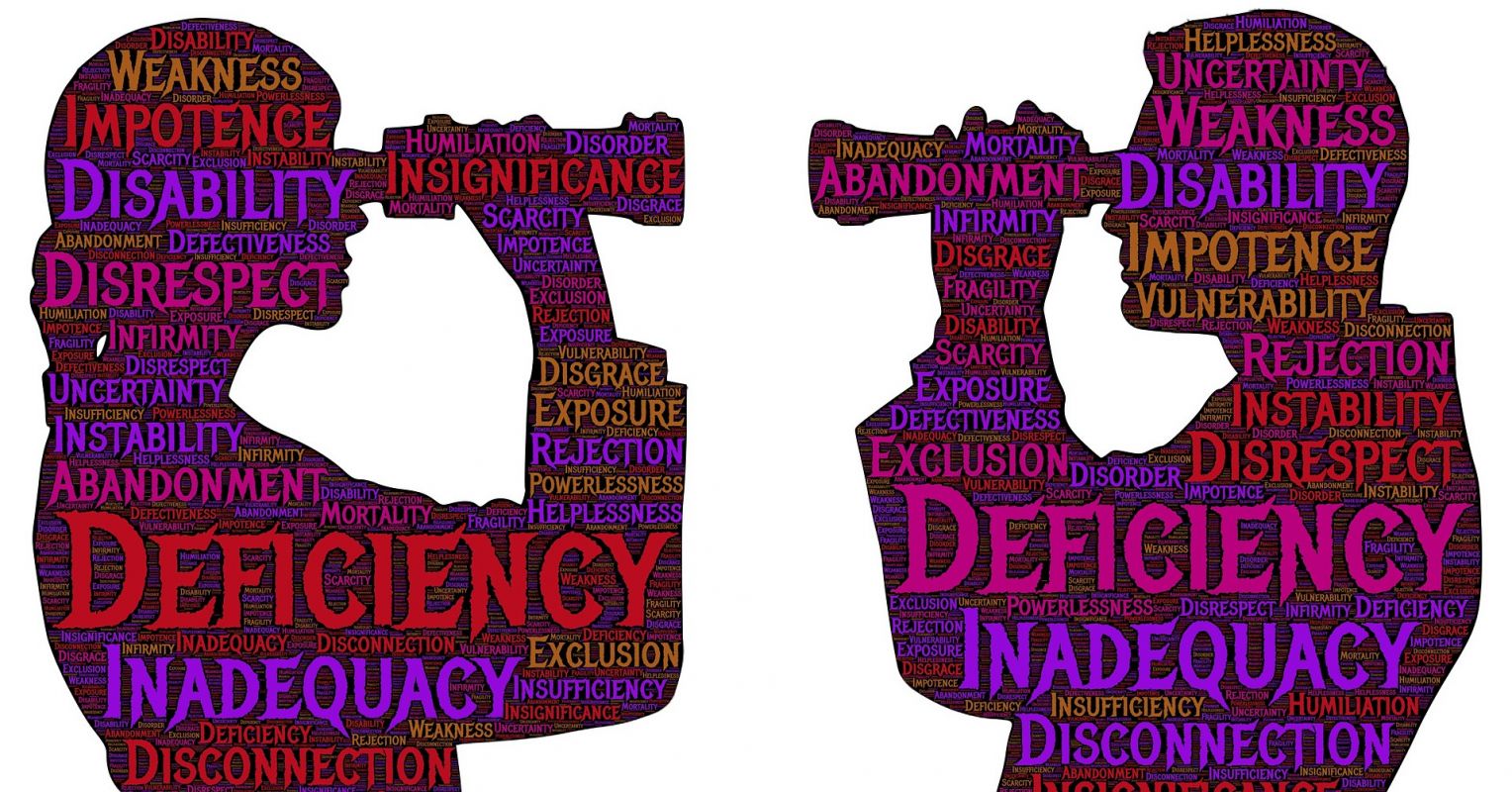
"It's often said that we can't love others until we love ourselves first. While this lesson fails to account for a basic human need, needing others to help us understand and appreciate ourselves, it's true on another level - ultimately, making sense of the data and forming an identity from it is our responsibility. While we should seriously consider others' perspectives, they can't instill self-esteem in us."
"This reality clashes with perfectionism, a state defined by hyper-independence, hyper-dependence, exaggeration, an extremely poor character assessment, and an equally poor assessment of character. At once, perfectionists seek approval and/or admiration while always rejecting it because it fails to match their self-concepts. So, perfectionism is also defined by confusion, the inability to know who to trust. So, what then comes first, the self-image or praise?"
"But, there's often no resolution and no understanding of what self-love actually means, no sense of what one needs or even wants from themself or another. Therefore, those around perfectionists often don't know how to respond to self-loathing, erring on the side of caution and offering a significant amount of sympathy. Problematically, partners and friends who tend to personalize fail to realize that they can't solely be responsible for changing anyone else's mind; we don't have that capability on our own."
People must make sense of feedback and form identity from it; others' perspectives matter but cannot instill self-esteem. Perfectionism combines hyper-independence, hyper-dependence, exaggeration, and distorted assessments of character. Perfectionists simultaneously seek approval or admiration and reject it when praise conflicts with their self-concepts. The resulting confusion leaves perfectionists unable to know who to trust and oscillating between overworking to compensate and yearning for definitive praise to silence inner criticism. Lack of clarity about self-love and personal needs prevents resolution. Friends and partners often respond with sympathy but personalizing loved ones cannot single-handedly change another person's self-concept.
Read at Psychology Today
Unable to calculate read time
Collection
[
|
...
]