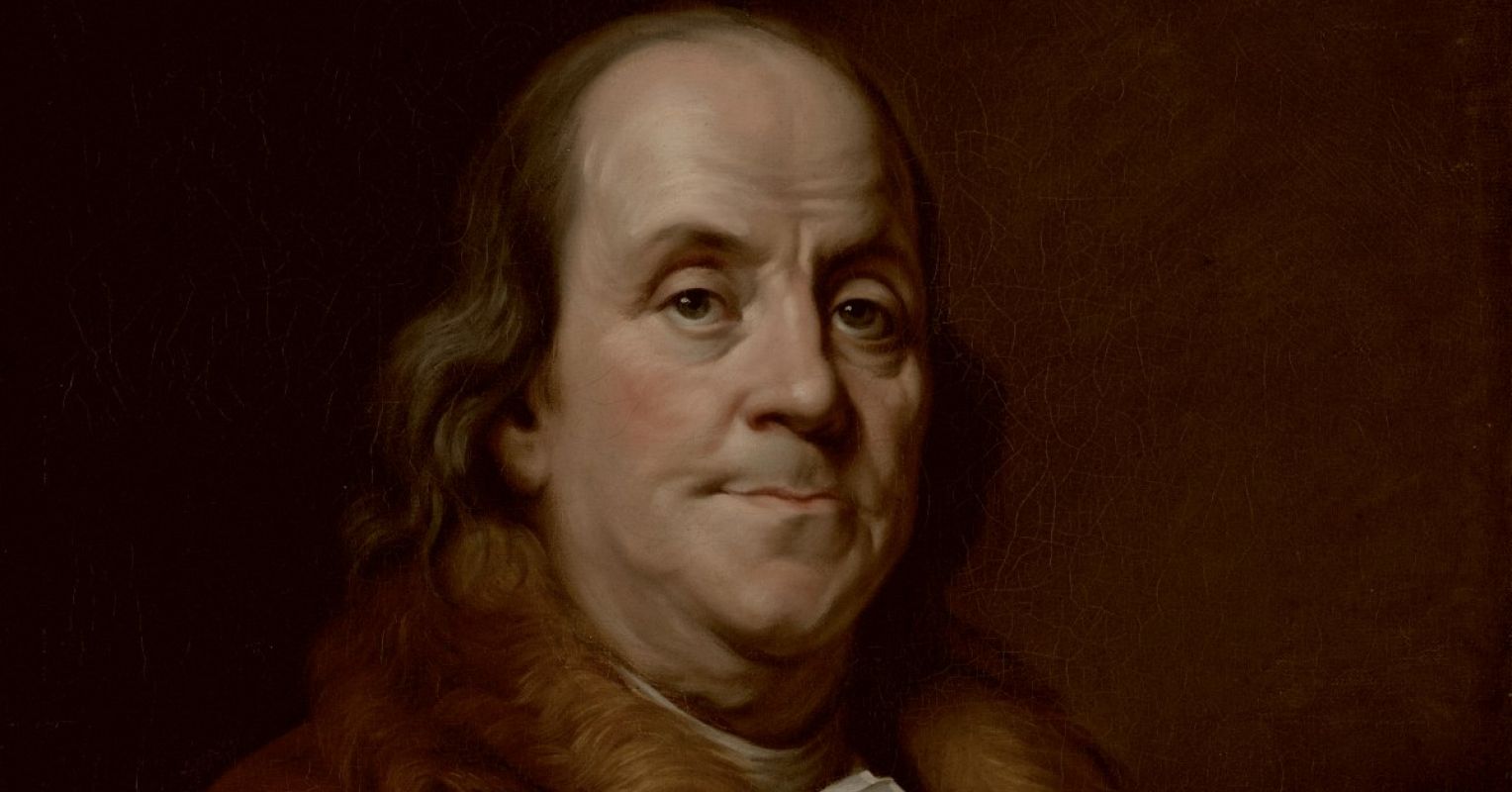
Helping another person can produce increased liking for that person, reversing the assumed sequence of liking leading to help. The Ben Franklin effect names the tendency to like someone more after doing them a favor, even if initial feelings were neutral or negative. Benjamin Franklin illustrated the effect by requesting a rare book and gaining warmth from a rival who complied. Cognitive dissonance explains the mechanism: when actions conflict with prior attitudes, the mind adjusts attitudes to reduce discomfort, leading people to infer they must like those they help, which strengthens rapport and trust.
"Most of us assume that warmth is what leads to generosity, rather than the other way around. It's an intuitive order of events: we like people first and then choose to help them. However, according to research from the Fudan Journal of the Humanities and Social Sciences, the opposite can also be just as true. Intriguingly, this is what's known as the "Ben Franklin effect": when, after doing someone a favor, you actually begin to like them more, despite having felt neutral or indifferent about them beforehand."
"The phenomenon is named after founding father Benjamin Franklin, who famously described using small requests to soften his political rivals. For instance, he once described asking a man to lend him a rare book. His rival agreed, and, from that moment on, the man became significantly more friendly toward Franklin; he actively sought both his company and goodwill. Here's a breakdown of how this high-leverage psychological effect works, as well as how you can start using it to your advantage."
"As the abovementioned study notes, psychologists eventually identified that the cognitive mechanism underlying this counterintuitive social shift was, in fact, cognitive dissonance. In simple terms, cognitive dissonance occurs when our behaviors don't align with our beliefs. In turn, our minds unconsciously adjust our attitudes to reduce the discomfort this misalignment brings on."
Read at Psychology Today
Unable to calculate read time
Collection
[
|
...
]