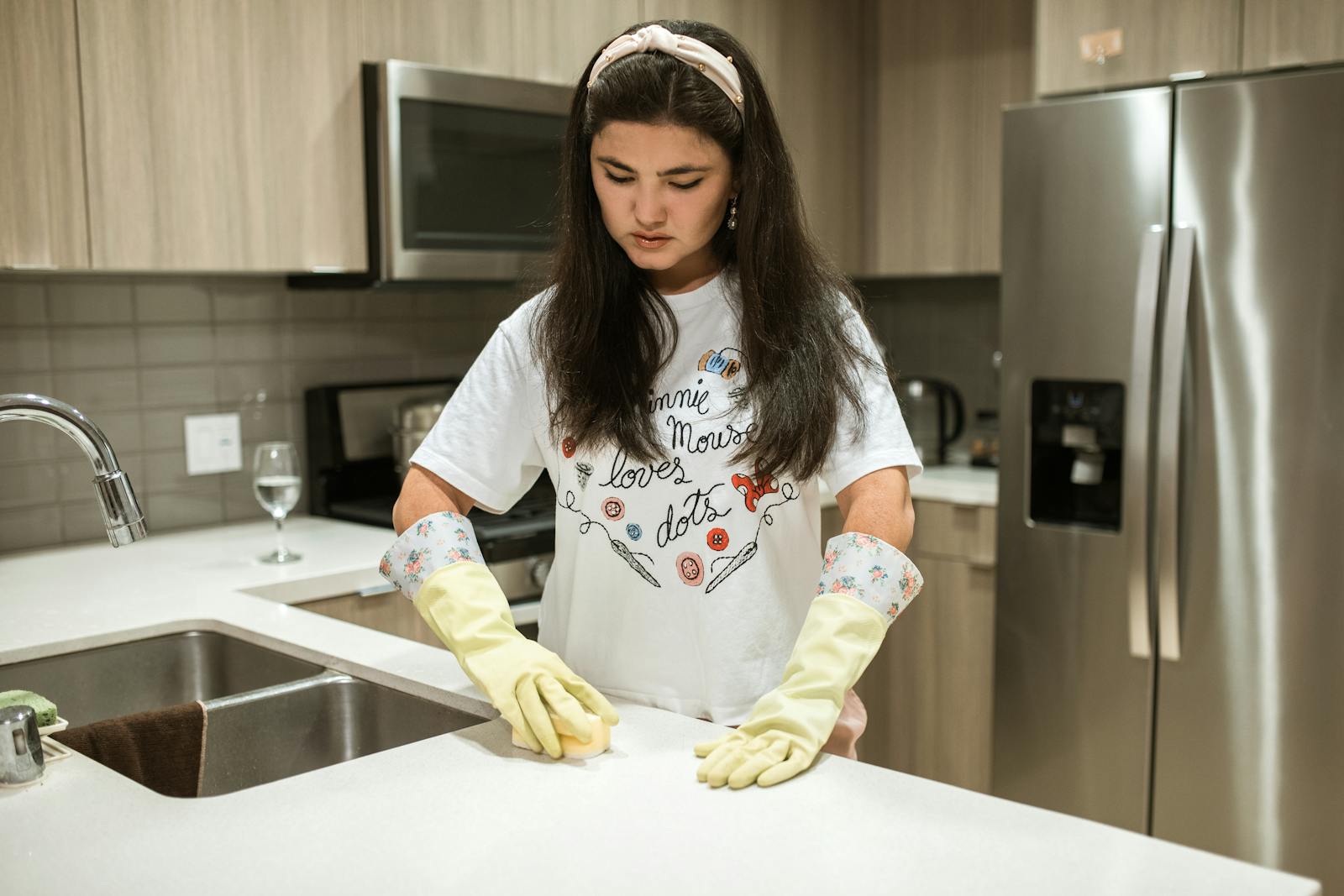
"What looks like helpfulness is often a calculation that ran so many times in childhood it stopped feeling like a calculation. The math went something like: my presence is conditional, so I'd better make it useful."
"The mechanism here isn't mysterious. It's well-documented in attachment research, particularly in what psychologists call anxious or preoccupied attachment."
"When a child grows up with a caregiver whose love feels conditional - available when the child is performing well, withdrawn when the child is inconvenient - the child learns that belonging is something you earn, not something you're given."
Individuals with anxious attachment often exhibit compulsive helpfulness as a learned behavior from childhood. This behavior stems from a need to earn belonging through actions rather than receiving unconditional love. The difference between genuine conscientiousness and reflexive helpfulness is evident in body language and actions. Those with anxious attachment feel compelled to adjust their surroundings to feel accepted, reflecting a deep-seated belief that their presence must be justified through utility.
Read at Silicon Canals
Unable to calculate read time
Collection
[
|
...
]