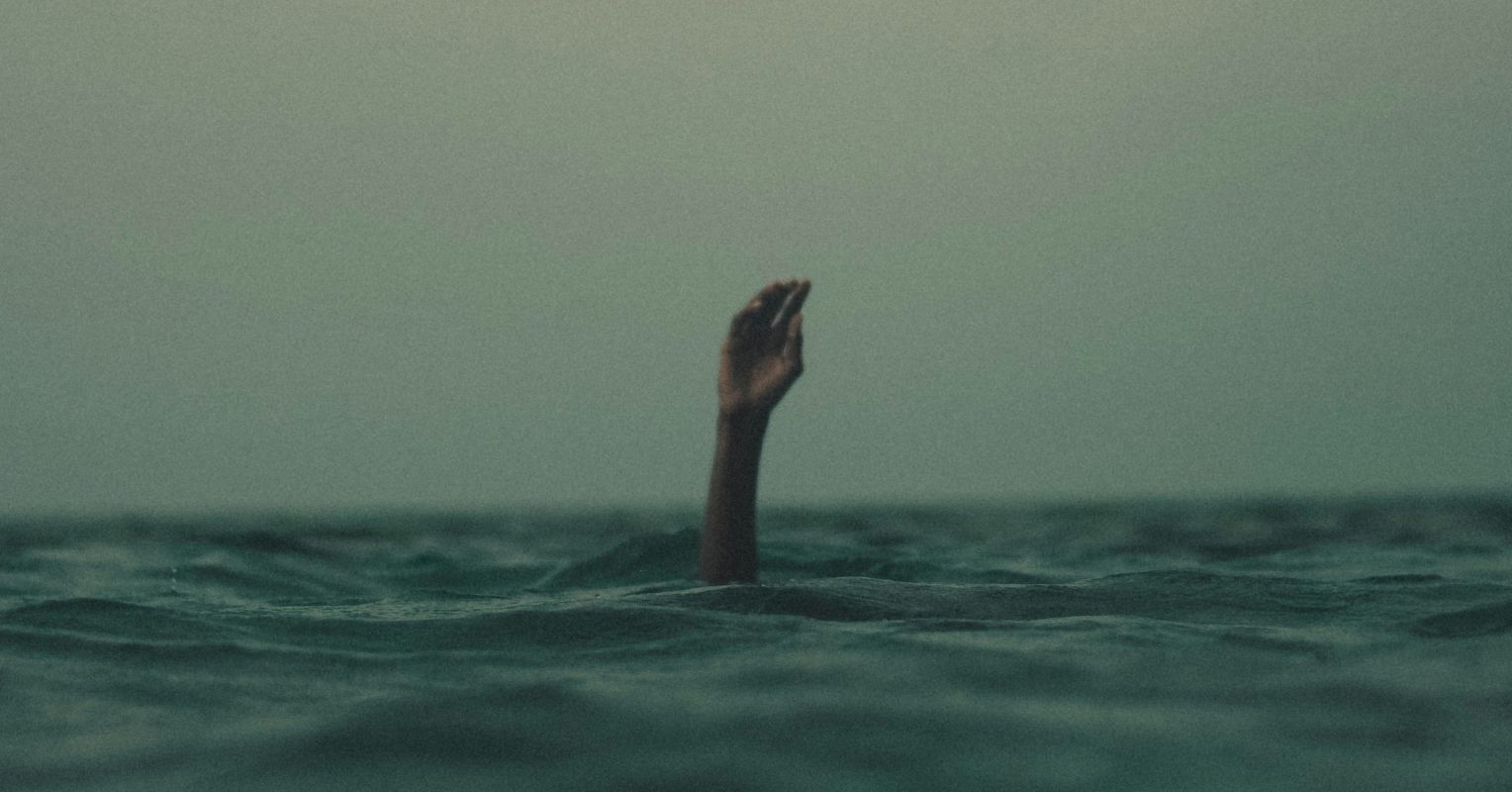
The world currently feels heavy, and many people are finding it harder to hold onto hope amid uncertainty, fear, and pervasive sadness. Increased loneliness, rising mental health challenges, weakened confidence in support systems, job insecurity, burnout, political polarization, widening inequality, and climate anxiety all contribute to a sense of despair. Hope requires active engagement rather than passivity. Loss of hope diminishes imagination, obscures recognition of personal strengths and potential, renders goals unattainable, fosters apathy and cynicism, and harms physical, mental, and emotional well-being. There are deliberate ways to cultivate, choose, and share hope even when it feels difficult.
"The pace and weight of the world can feel like a lot right now. For some, it's becoming harder to hold onto hope as uncertainty, fear, and a deep sense of sadness about the world around us take root. There seems to be this growing tension between what we wish for and what we believe is possible, leaving people feeling heavy, discouraged, and unsure about what the future holds."
"When people lose hope, the consequences are profound. We stop imagining a brighter future. We stop recognizing our own strengths, talents, gifts, and potential. Goals feel out of reach, effort feels pointless, and the belief that our actions matter slowly fades away. Apathy and cynicism creep in. Physical, mental, and emotional well-being begin to suffer. People begin to believe that the way things are now is the way they will always be."
Read at Psychology Today
Unable to calculate read time
Collection
[
|
...
]