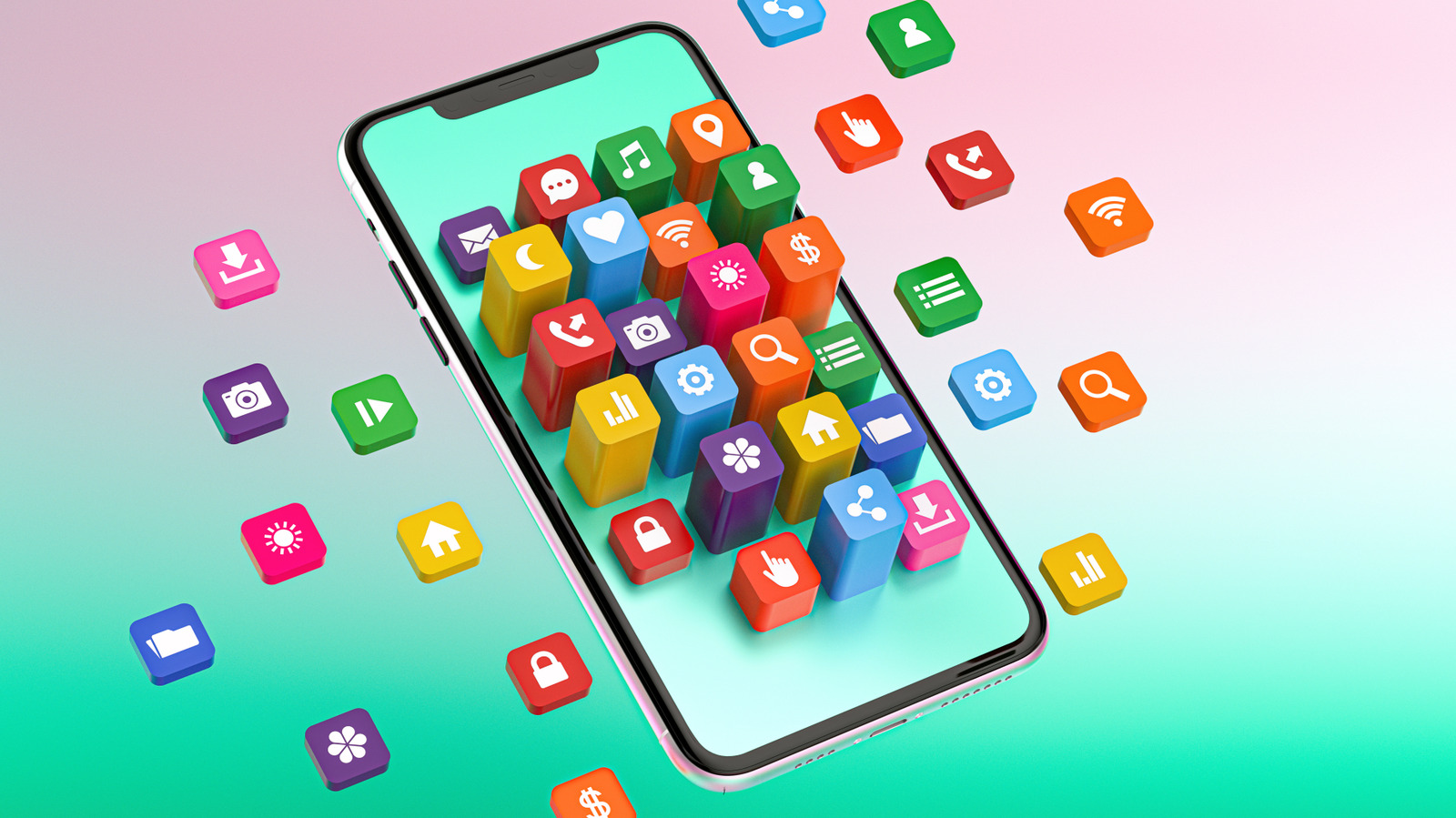
"Only about a year old at that point, the App Store was changing people's relationship with software. Users were growing accustomed to the idea that the smartphone was a digital Swiss Army Knife, its glossy touchscreen waiting to be fitted with the right tool for any job. But what the public had not anticipated as we swiped and scrolled was that our phones might begin to watch us back."
"As we poured our lives into them, managing finances, messaging friends and partners, or simply reading the news, all our interactions became data points that could be used to infer the most private details about us. In a digital ecosystem funded largely by advertising, that data was extraordinarily valuable to the right person, and so developers worked tirelessly to extract it from us. The more apps we loaded onto our pocket computers, the more data they soaked up."
Smartphones collect extensive personal data through apps used for finances, messaging, and reading, turning interactions into inferable data points. Data becomes highly valuable in advertising-funded ecosystems, driving developers to extract more user information. Many users lack knowledge to protect digital privacy and accept ongoing erosion. Modern iOS and Android builds constrain excessive data access by controlling app permissions, allowing users to grant or deny camera, location, and other access. Simple adjustments - restricting individual app permission scopes and opting out of tracking - can meaningfully reduce data collection without technical expertise.
Read at SlashGear
Unable to calculate read time
Collection
[
|
...
]