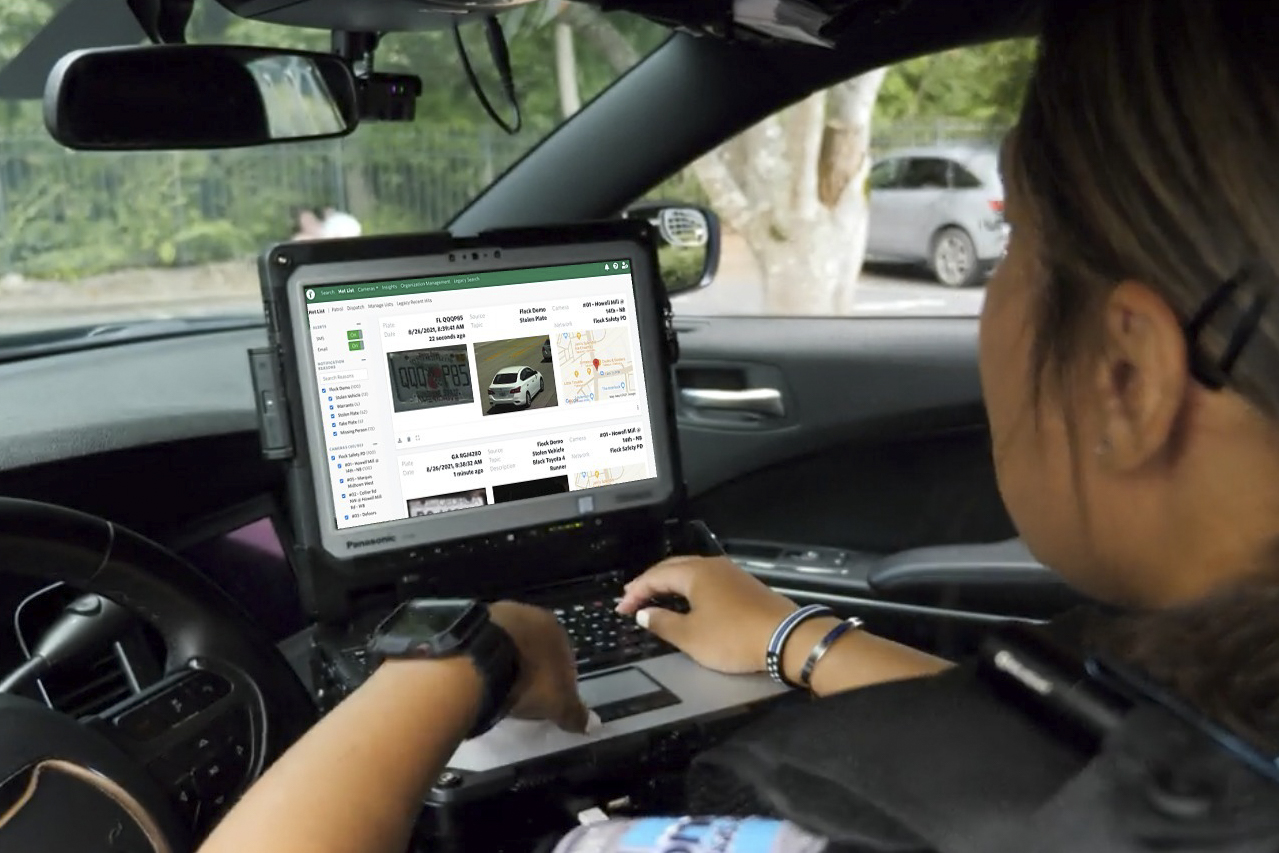
"The debate over automated license plate readers in California has increasingly shifted from local crime fighting to concerns about data privacy, when it comes to federal crackdowns on immigration and people seeking abortions or gender-related healthcare. The license plate readers are now in use in hundreds of law enforcement agencies across the state, not to mention thousands of homeowner associations and business districts. So what does this all mean for civil liberties in 2026?"
"Over the past decade, automated license-plate readers have quietly become a standard tool for law enforcement across California, adopted by more than 200 city police departments, sheriff's departments and other agencies. That's despite a series of media reports demonstrating local AI-enabled ALPR databases are feeding a federal surveillance system used by the Trump administration against immigrants and others. While a short list of municipalities in other states, including in Texas and Oregon, have responded by canceling contracts,"
Automated license-plate readers (ALPRs) have become widespread in California, used by more than 200 city police, sheriff's departments, homeowner associations and business districts. The databases created by AI-enabled ALPR systems can feed federal surveillance efforts and have been used by the Trump administration against immigrants and others. Some municipalities in other states have canceled contracts in response to those revelations, but many California officials have kept programs in place. California law, under SB 34, requires detailed usage and privacy policies, restricted access, and regular audits. Critics call many local approaches performative and note audits finding few agencies with adequate policies.
Read at Kqed
Unable to calculate read time
Collection
[
|
...
]