"If you're not reading this article on a smartphone, one will almost certainly be within touching distance while you are. We have phones on us all of the time. Smartphones are an essential part of everyday life. Whether it's shopping, streaming, gaming or social networking, it's all increasingly done on data-hungry mobiles. According to Ofcom, use of mobile data increased some 25% last year, with the average person now using 5GB a month."
"Most advertisers have access to existing reservoirs of data. These typically contain lots of information on things like demographics, sometimes context, and - if it's first party data - it will be more accurate with subscriptions, activities, content and spending patterns. Mobile network data is still way ahead in terms of the breadth and depth of the data. It's also much more reliable and better quality."
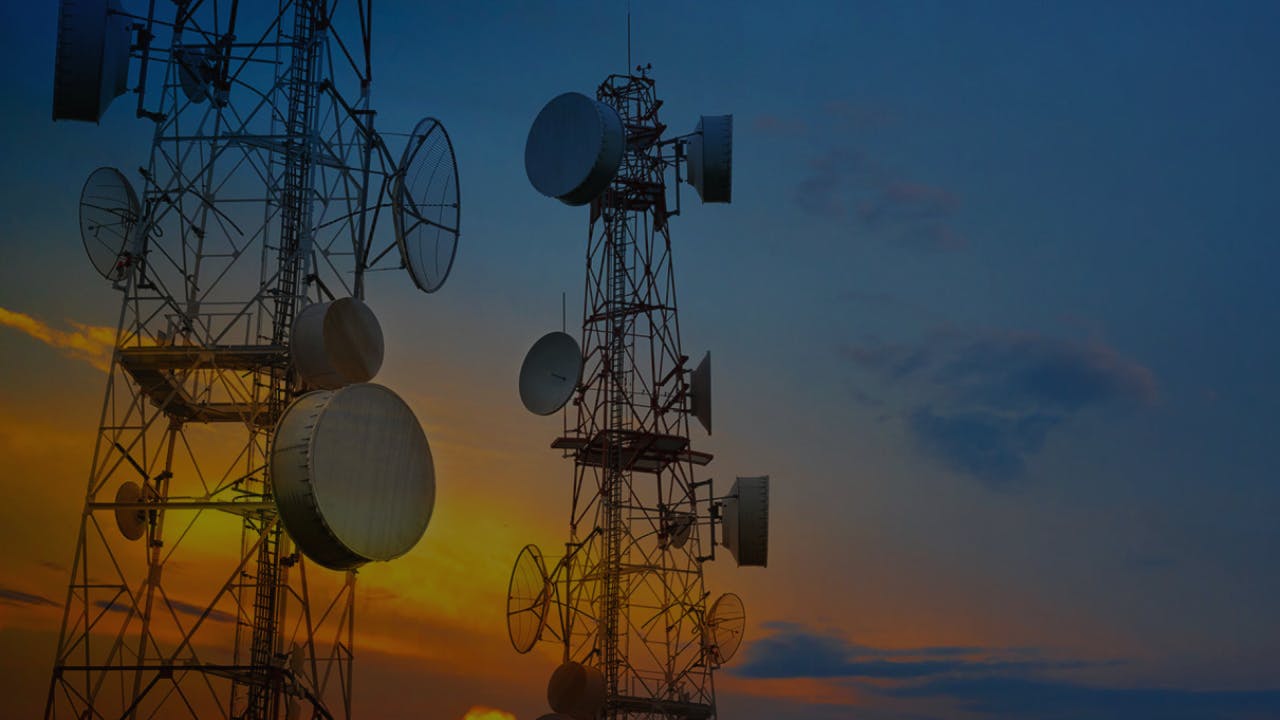
Smartphones are ubiquitous and mobile data usage is rising, with the average person using about 5GB per month. Third-party cookies and MAIDs are being phased out, and direct data from mobile networks offers an alternative for understanding customers. Mobile network data, also called telco or cellular data, is the distribution of digital traffic through networks using nearby cell towers or satellites. Network operators continuously collect accurate location and usage information to route calls and data, giving mobile network data greater breadth, depth, reliability and quality than many other datasets. Advertisers can use this data for privacy-first audience targeting.
Read at The Drum
Unable to calculate read time
Collection
[
|
...
]