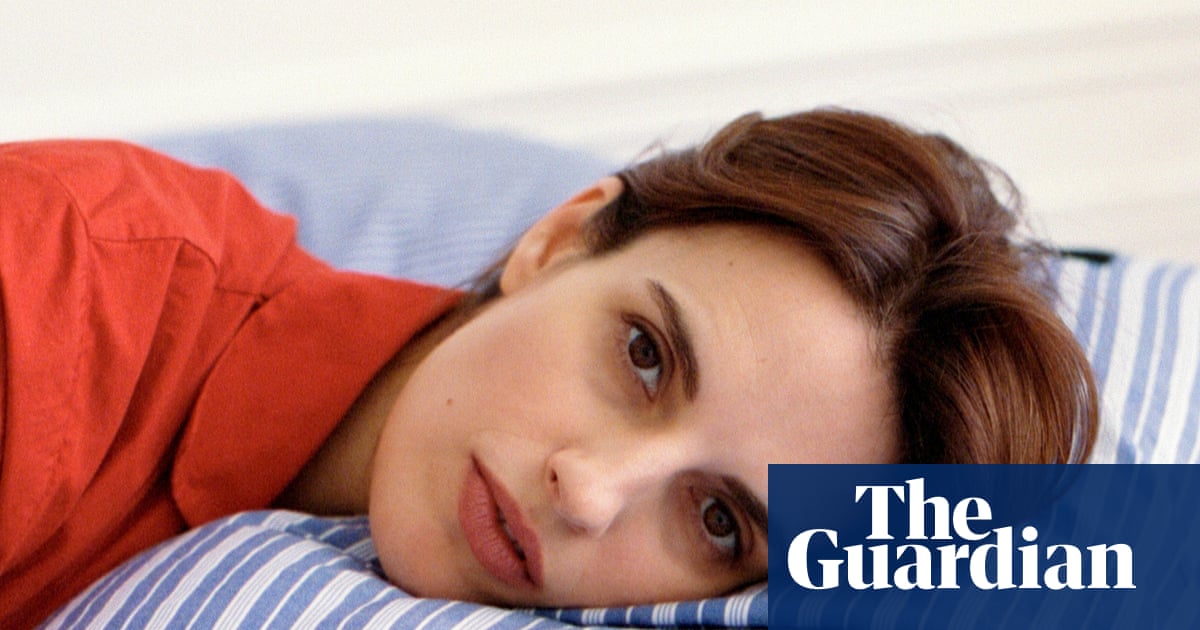
"Poles Farhang's mother, who left Iran during the revolution, believed women should have the right to choose what to do with their bodies, yet would dismiss any woman who didn't conform to conventional expectations, says Poles Farhang, such as those didn't dress in a way she considered put together, or didn't marry into heteronormative relationships within the right social class. I remember being scolded in my early 20s for embarrassing her by leaving the house barefaced, she says."
"Photography gave Poles Farhang the autonomy to look at women differently than she had been taught to. I turned my upbringing's fixation with appearance into a sensitivity in my work. What happens when you meet it with curiosity rather than judgment? That question became Passerby a decade-long photographic and oral archive of more than 300 women, photographed in their homes across New York, Paris, London and Los Angeles."
Clemence Poles Farhang started Passerby magazine after immigrating to New York City to explore womanhood and deconstruct internalized misogyny from her upbringing. Her mother, who left Iran during the revolution, supported bodily autonomy yet enforced conventional appearance and class-based heteronormative expectations. Photography allowed Poles Farhang to view women with curiosity rather than judgment and to convert an upbringing's fixation on appearance into artistic sensitivity. Passerby became a decade-long photographic and oral archive of more than 300 women photographed in their homes across New York, Paris, London, and Los Angeles. A first solo exhibition titled 'Can I come over and take your picture?' presents over 200 photographs paired with interview quotes. The project revealed that many sitters were immigrants or children of immigrants whose displacement shaped belonging and work.
Read at www.theguardian.com
Unable to calculate read time
Collection
[
|
...
]