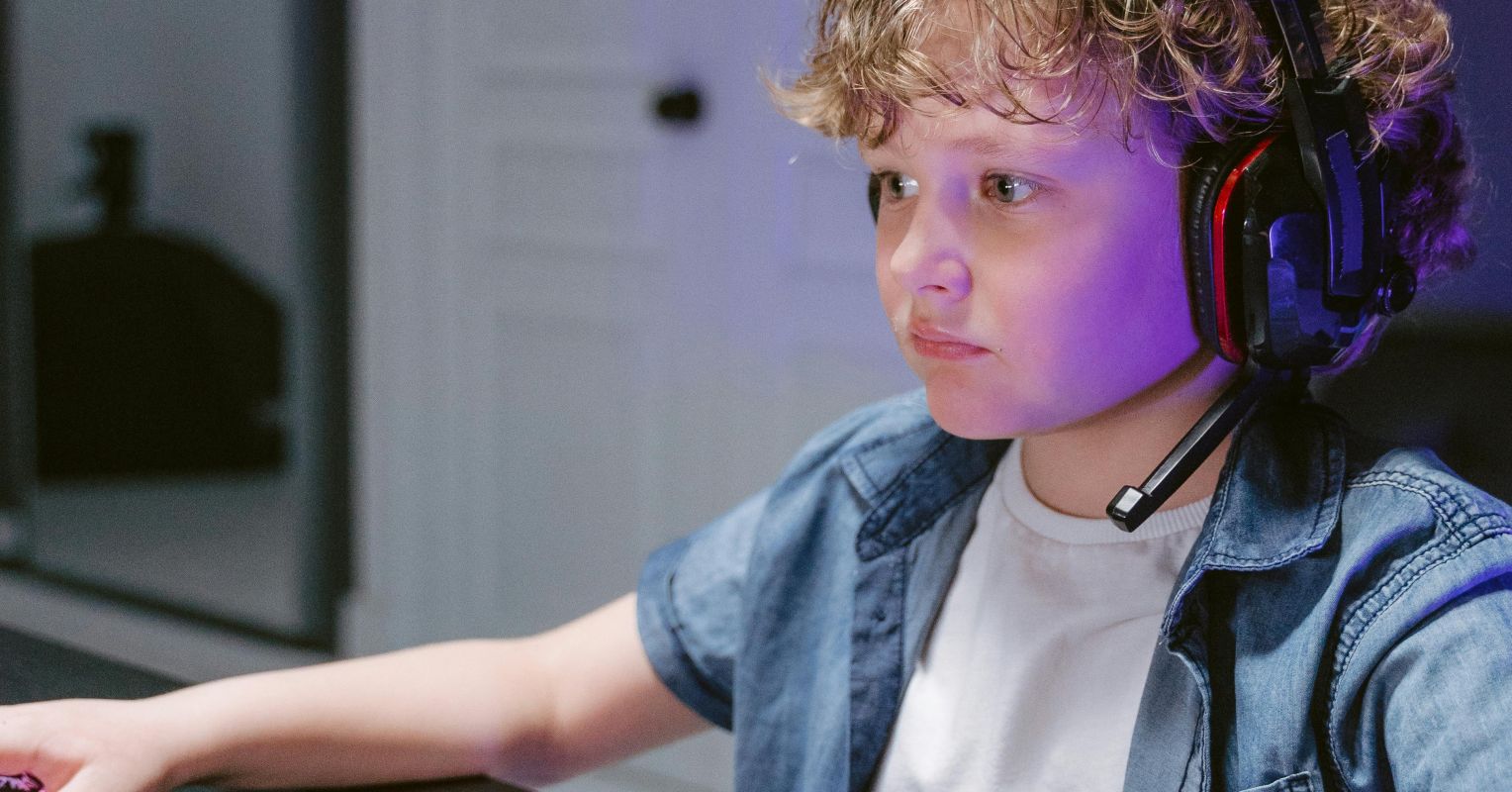
"Video games are a major part of many children's lives, offering opportunities to build problem-solving skills, foster creativity, strengthen hand-eye coordination and connect socially with peers. In many cases, gaming can promote teamwork, critical thinking and even emotional resilience. When played responsibly, it can serve as a healthy and enriching activity. However, like any social environment, whether in-person or online, gaming platforms can also expose children to difficult situations, including conflicts, exclusion and occasionally bullying behavior."
"Still, parents may occasionally confront a challenging situation: discovering that their own child has engaged in bullying behavior while gaming. Unlike physical bullying, online bullying can be harder to detect, often occurring when adults are not present. Understanding how to approach and address this situation is key to helping children learn from their mistakes and develop healthier interactions online. Recognizing Bullying Behavior in Gaming Contexts"
Video games provide children with opportunities for problem-solving, creativity, hand-eye coordination, social connection, teamwork, critical thinking, and emotional resilience when played responsibly. Gaming platforms can also expose children to conflicts, exclusion, and online bullying, which can be harder for adults to detect. Research shows the relationship between gaming and aggression is complex, and gaming does not inherently cause aggressive behavior in many cases. Parents should distinguish competitive banter from bullying, recognize signs such as exclusion, hostile language, multiple accounts, or hiding screens, and respond calmly by focusing on behavior, asking questions, and teaching empathy to correct conduct.
Read at Psychology Today
Unable to calculate read time
Collection
[
|
...
]