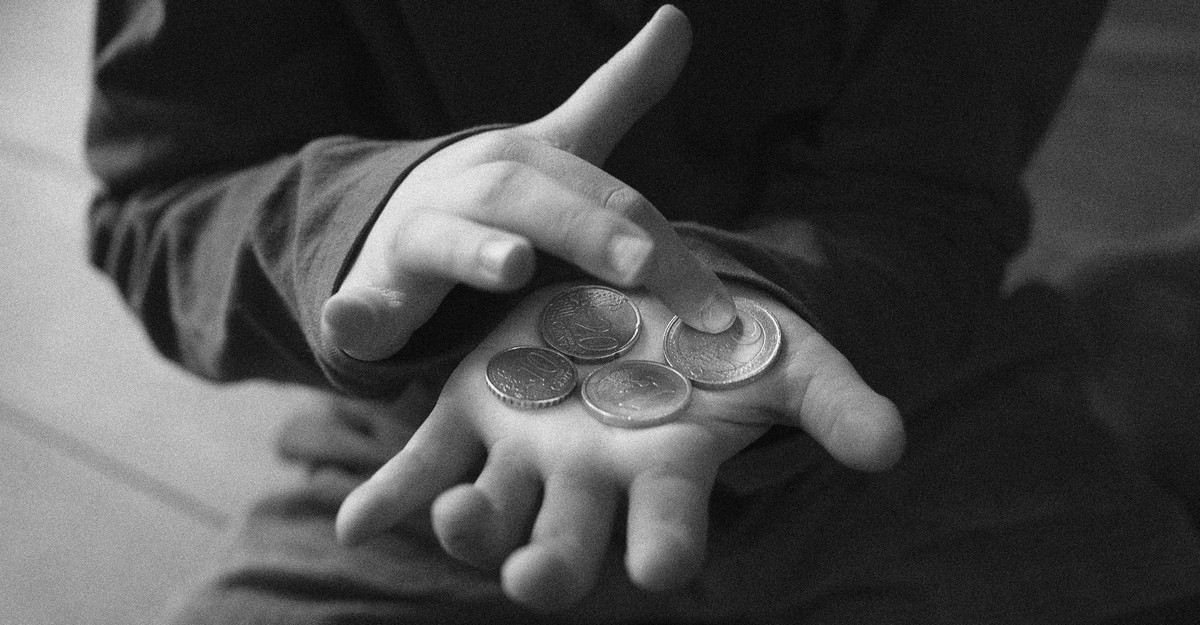
"The hope was that these payments would teach children to save rather than spend. But not everyone was a fan of the idea. Sidonie Matsner Gruenberg, an influential writer and educator, argued that some uses of the allowances confused "the give-and-take of family life with the buy-and-sell of the market place"; a 1935 article in Parents' Magazine argued that the payments would turn a child into a "calculating, hard-bargaining adult.""
"A century later, allowances are still around. According to a 2018 survey conducted by Merrill Lynch and Age Wave of 2,500 American parents, more than half of those with kids ages 7 to 17 gave allowances out. Earlier this year, a Wells Fargo survey of nearly 1,600 parents of kids ages 5 to 17 found that 71 percent of them gave allowances, with payments averaging $37 a week."
In the 1920s affluent parents reacted to intensified toy advertising and children's demands by adopting small weekly payments to teach saving and financial limits. Parenting magazines promoted allowances as a way for children to squirrel away money for toys or treats. Critics cautioned that allowances could blur family reciprocity with market transactions and encourage calculating behavior. Allowances persist today: recent surveys show a majority of parents give them, with averages near $37 weekly. The practice has broadened beyond cash to include lessons about bank fees, interest, investing, credit scores, and loan payments, sometimes called "allowances supercharged."
Read at The Atlantic
Unable to calculate read time
Collection
[
|
...
]