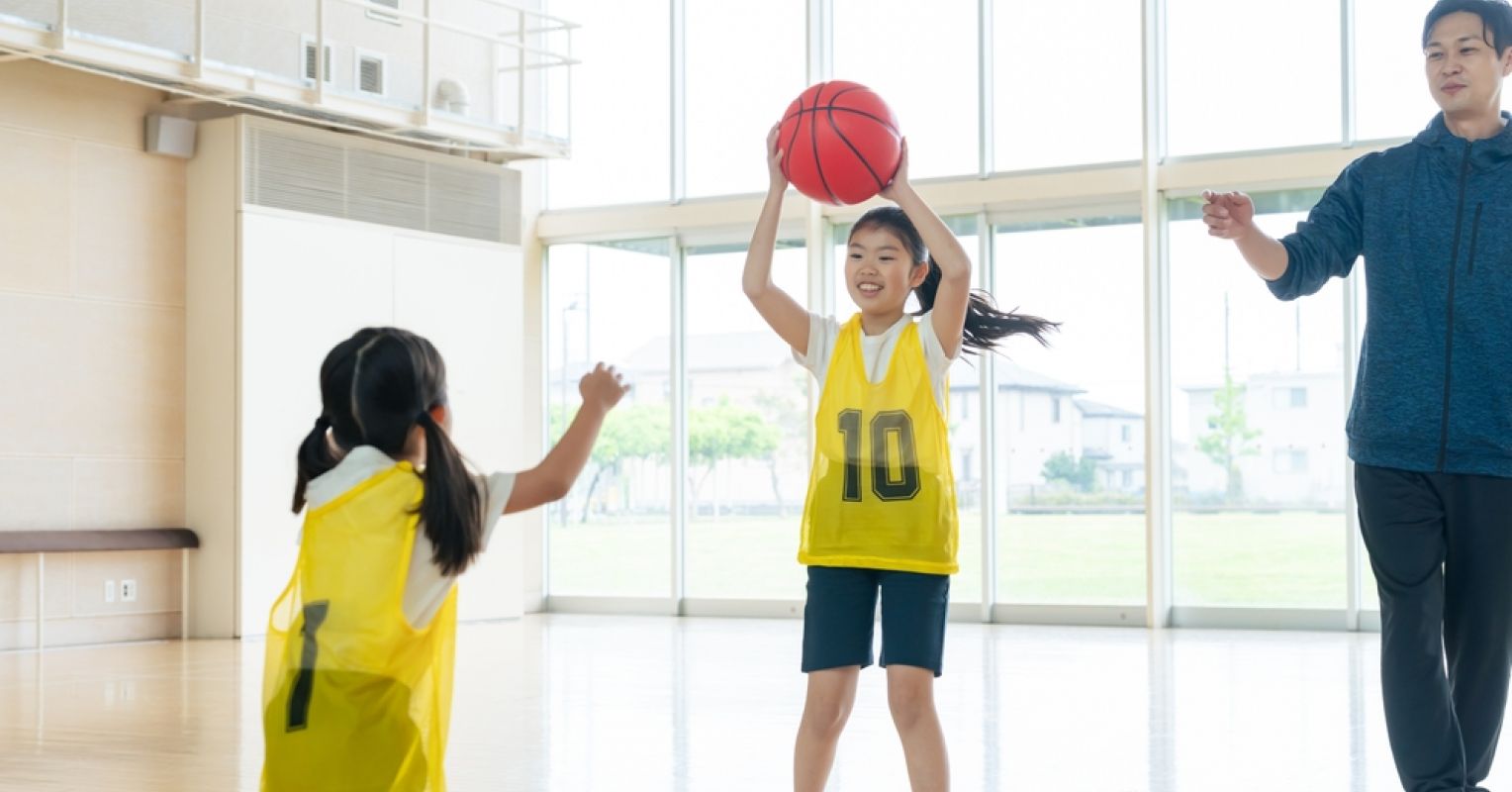
"If you've ever watched your child crumble after losing a game-or strut a little too proudly after winning-you're not alone. Teaching a child good sportsmanship is one of those parenting goals that sounds simple on paper but can feel surprisingly complex in real life. But here's the reassuring truth: Good sportsmanship is a skill. It's learned over time, with guidance, patience, and a whole lot of modeling, which is also called observational learning. Younger kids learn by observing the behavior of others."
"A child who demonstrates good sportsmanship shows respect for others, follows rules, manages emotions, and understands that effort matters more than outcome. It's not just about saying "good game" at the end-it's about how a child behaves when emotions are high. This includes respecting teammates, opponents, and authority figures, appropriately regulating emotions during wins and losses, demonstrating empathy and fairness, having confidence without arrogance, and accepting mistakes as part of learning."
Good sportsmanship is a character-based skill that can be taught and learned over time. Children learn largely through observational learning and by watching adults' responses to competition and disappointment. Being a good sport involves managing strong emotions, showing respect for teammates, opponents, and authority figures, and valuing effort more than outcome. It requires empathy, fairness, confidence without arrogance, and accepting mistakes as part of learning. These abilities develop gradually as the brain matures and as adults consistently model and reinforce expectations. The principles of sportsmanship transfer to friendships, academics, setbacks, and future successes.
Read at Psychology Today
Unable to calculate read time
Collection
[
|
...
]