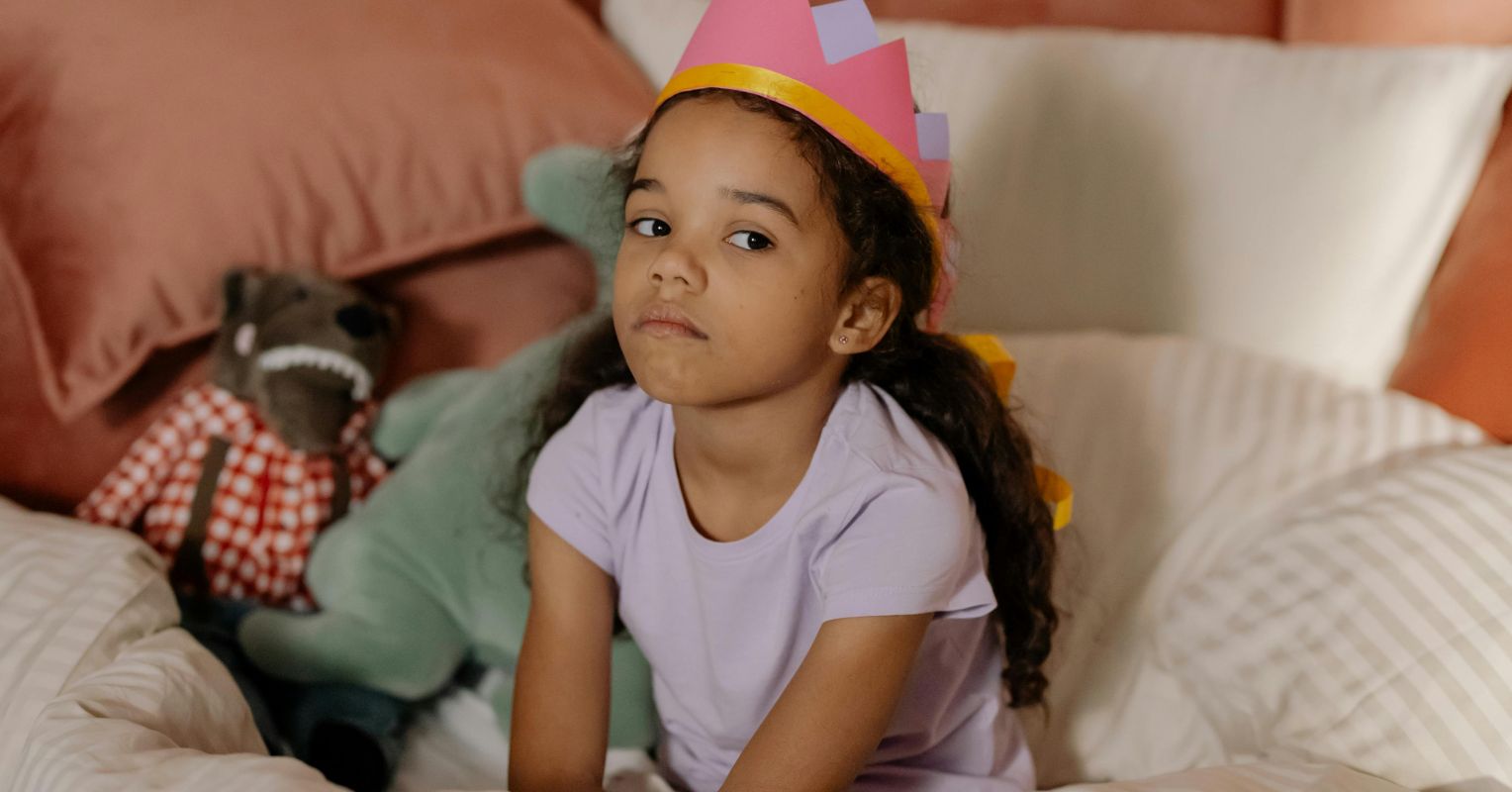
Holiday periods frequently replace predictable daily schedules with extra celebrations, relaxed bedtimes, special foods, and increased social activity. Young children's developing brains rely on routine and predictability to build self- and emotional-regulation skills. Abrupt transitions back to school or regular schedules can overwhelm children's coping repertoires, producing oppositional behavior, irritability, or meltdowns. Even a few weeks of disrupted routine can challenge regulation. Parents often feel relief returning to structure, but children may need gradual reintroduction of routines and support to readapt. Simple, consistent daily routines provide important positive effects on growth and development.
"Parents who are able will often load the holidays with the stuff that makes them glad to have-and be-a family. Joy and delight soak the household: gifts, celebrations, traditions, family and friends, special foods (more yummy than nutritious), relaxed bedtimes and abandoned routines. Who wouldn't love that? Well, for one, millions of developing neurons that depend on routine and predictability to help establish the self- and emotional-regulation skills of the growing brain."
"The morning Sam was to return to school after the holidays, it was his dad's turn to wake him up. Surprised to find an empty bed, he played a hunch and checked the downstairs coat closet, a retreat for an occasionally overwhelmed Sam. Bingo. Sam's dad: "What's up, Sam?" Sam: "I don't like school and I don't want to go." Sam's mom joined in: "Sam, you love school - your friends, your teacher..." Sam: "No, I don't.""
"Parental pillow talk the night before had centered around what a wonderful, if busy, holiday the family had enjoyed, and how well the kids had done with all of the entertaining, visiting and celebrations. That said, Sam's parents both felt it sometimes seemed a bit much, as his dad sang a line from Meredith Willson's "It's Beginning to Look a Lot like Christmas": "And mom and dad can hardly wait for school to start again...""
Read at Psychology Today
Unable to calculate read time
Collection
[
|
...
]