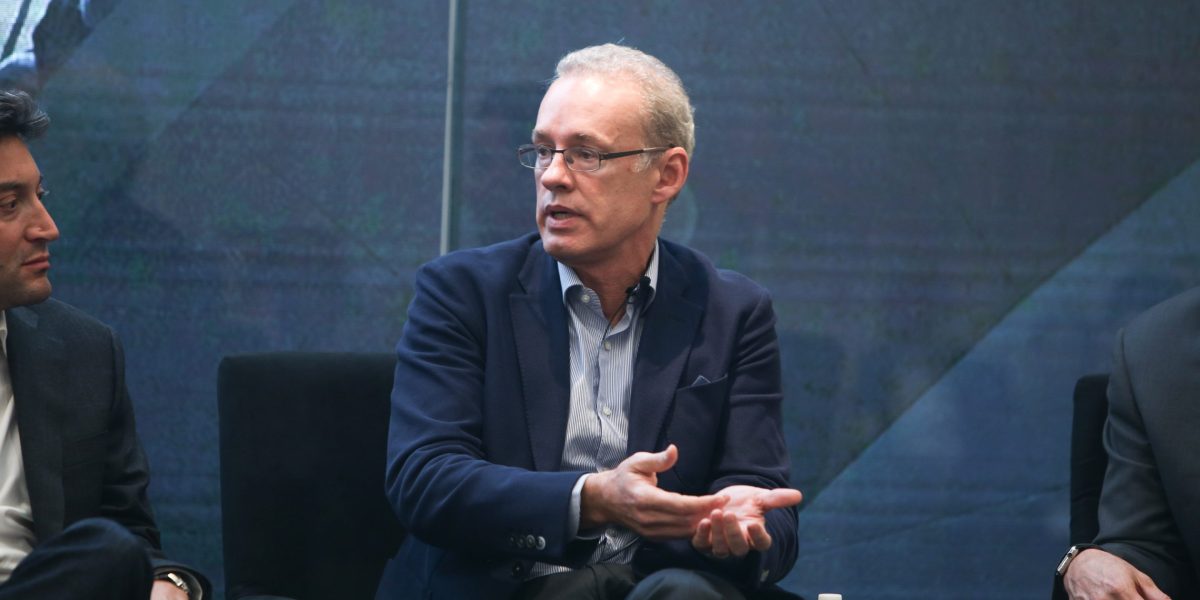
An overcrowded Manhattan gathering celebrated the 30th anniversary of Silicon Alley, drawing long lines that forced a one-in-one-out entry policy and refunds. Veteran founders and investors from AlleyCorp and Union Square Ventures recounted early challenges securing West Coast funding and milestones such as DoubleClick's 1998 IPO and later Google acquisition. New York's tech ecosystem endured the Dot-com bust, the global financial crisis, shifting consumer-tech waves, and the post-Covid fintech retreat. Community builders emphasize that money follows entrepreneurs, and the city’s startup scene remains vibrant, continually evolving despite producing fewer trillion-dollar domestic giants.
"On a frozen Friday night in Manhattan, a line of eager party-goers snaked around the lobby of an unassuming office building and out the block, waiting to get into the hottest tech gathering of the new year (This reporter, transparently, was waylaid by new parenthood, but I received dispatches from some intrepid Fortune attendees.) Entrance was so coveted that many found themselves stymied in the frigid atrium, clutching their coats amid a one-in-one-out policy, with the organizers ultimately issuing refunds."
""Money follows entrepreneurs, not the other way around," Ryan told me, recounting the difficult early days, when West Coast investors were hesitant to fund the nascent ecosystem. (All of them have, of course, since set up New York offices.) That began to change before the Dot-com bubble burst of 2000, with DoubleClick's 1998 IPO of $60 million, at the time, seeming like a massive figure."
Read at Fortune
Unable to calculate read time
Collection
[
|
...
]