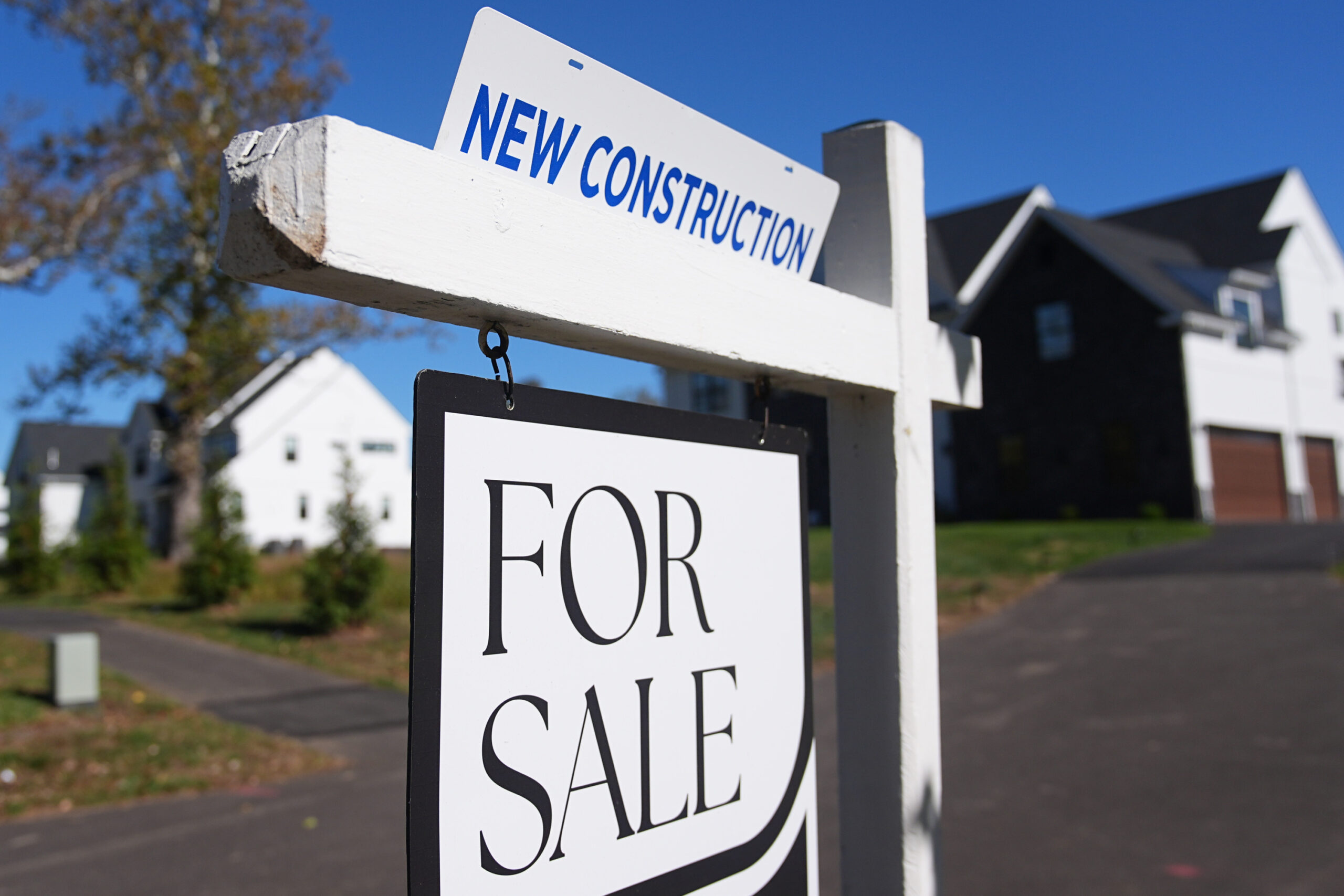
Mortgage rates in the United States rose to 6.11 percent for 30-year fixed-rate mortgages, marking the second consecutive week of increases. This surge followed geopolitical tensions between the United States and Israel against Iran, which triggered an energy crisis and inflation concerns. The 10-year Treasury yield climbed to 4.25 percent, up from below 4 percent before the conflict. While current rates remain below the October 2023 peak of 7.8 percent, elevated borrowing costs are pricing out middle- and low-income homebuyers. Investors now account for 30.2 percent of home purchases in 2025, nearly double their pandemic-era share, reflecting traditional buyers' reduced purchasing power rather than increased investor activity.
"Days later, the United States and Israel attacked Iran, setting off an energy crisis and raising new inflation concerns in financial markets. The result has been a jump in the yield on government bonds, and falling expectations for interest-rate cuts later this year. The yield on the 10-year Treasury note, which acts as a broad reference interest rate that underpins the U.S. mortgage market, climbed to 4.25 percent on Thursday, up from below 4 percent before the war began."
"This definitely feels like we're back where we were a year ago: tariff uncertainty, economic uncertainty, geopolitical uncertainty. All of this is making the path ahead seem really unclear."
"With borrowing costs elevated, the high prices are keeping middle- and low-income buyers on the sidelines while wealthier households and investors are playing a larger role in the market. Investors accounted for 30.2 percent of home purchases in 2025, nearly double their share at the start of the pandemic, according to data from Cotality."
#mortgage-rates #housing-affordability #geopolitical-impact #real-estate-market #economic-uncertainty
Read at www.mediaite.com
Unable to calculate read time
Collection
[
|
...
]