"Jorge Leon, the head of geopolitical analysis at Rystad Energy, said Iran had retaliated in a far more aggressive and expansive manner than in prior exchanges which marks a structural widening of the conflict beyond contained or symbolic strikes."
"Shutting the strait would be a last resort tactic for Iran. We would expect to see this in a hot war scenario. Leon added: Whether the strait is closed by force or rendered inaccessible by risk avoidance, the impact on flows is largely the same."
"According to Reuters, an official from the EU's naval mission Aspides said on Saturday that although Tehran had not confirmed a formal shutdown of the strait, Iran's Revolutionary Guard had warned tankers not to pass."
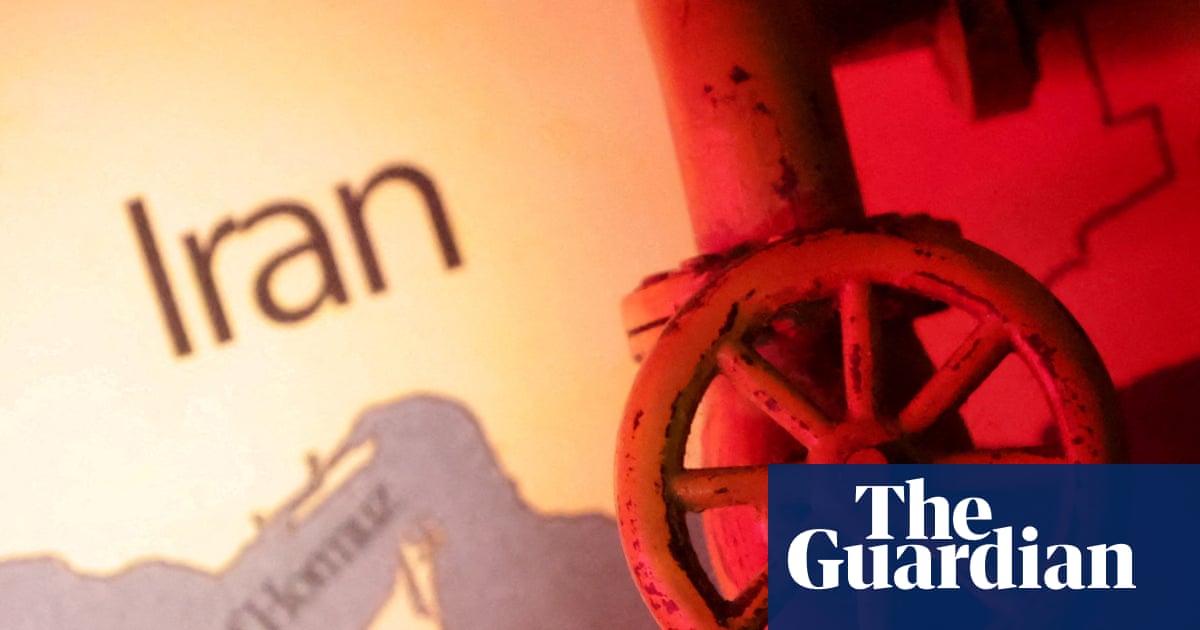
The Strait of Hormuz is a critical global trade route between Oman and Iran, with shipping lanes only 3km wide at its narrowest 33km point. Approximately 20% of global oil supplies and seaborne gas tankers transit through it, making it essential for OPEC deliveries to Asia with limited bypass options. While Iran has historically threatened to close the strait in retaliation for military aggression, experts now believe the current escalation differs significantly. Recent Iranian retaliatory actions are more aggressive and expansive than previous exchanges, marking a structural widening of conflict. Tankers are reportedly stuck in the waterway after Iran's Revolutionary Guard warned vessels not to pass, including an LNG tanker chartered by Centrica. Whether closed by force or avoided due to risk, the impact on global oil flows would be substantial.
Read at www.theguardian.com
Unable to calculate read time
Collection
[
|
...
]