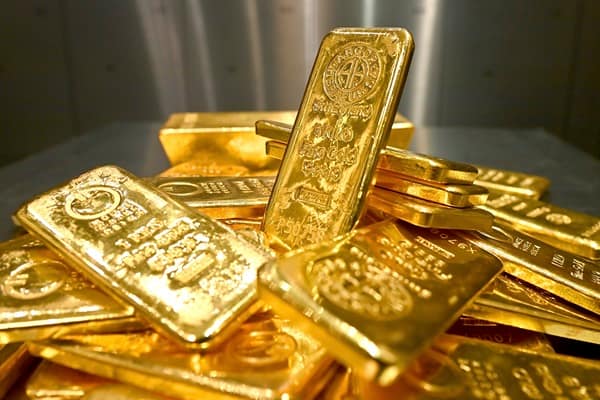
"People reset their finances, act on bonuses, and look for stability at the beginning of a new year, so January is usually a busy month for us. However, this year there has been a significant increase in our gold sales for the first half of January - proof that demand for this precious metal isn't slowing down any time soon."
"All investors naturally reassess risk and rebalance portfolios during the months of January and February. We're seeing interest from traditional investors and a growing number of younger buyers who are cautious about stretched stock market valuations, particularly in technology and AI-related stocks, and other asset prices. Gold is seen as a sensible hedge because of its history."
"Silver is likely to follow a similar direction to gold, although it will remain more volatile because of its industrial use. With gold, supply disruption is a really important factor. Conflict and instability, including in major gold-producing regions, are making extraction and export more difficult. When routes out of these countries are affected, it adds cost and risk to supply, which impacts prices globally."
Gold Bank recorded a strong start to 2026, with gold sales in the first half of January up 36% versus January 2025. January buying reflects financial resets, bonus spending and portfolio rebalancing by traditional investors and a growing number of younger buyers wary of stretched valuations in technology, AI-related stocks and other assets. Buyers are increasingly focused on gold sourcing and storage while regional supply pressures keep the physical market tight. Geopolitical tensions, inflation concerns and fragile equity confidence continue to support demand. Silver is expected to track gold but remain more volatile due to industrial use.
Read at London Business News | Londonlovesbusiness.com
Unable to calculate read time
Collection
[
|
...
]