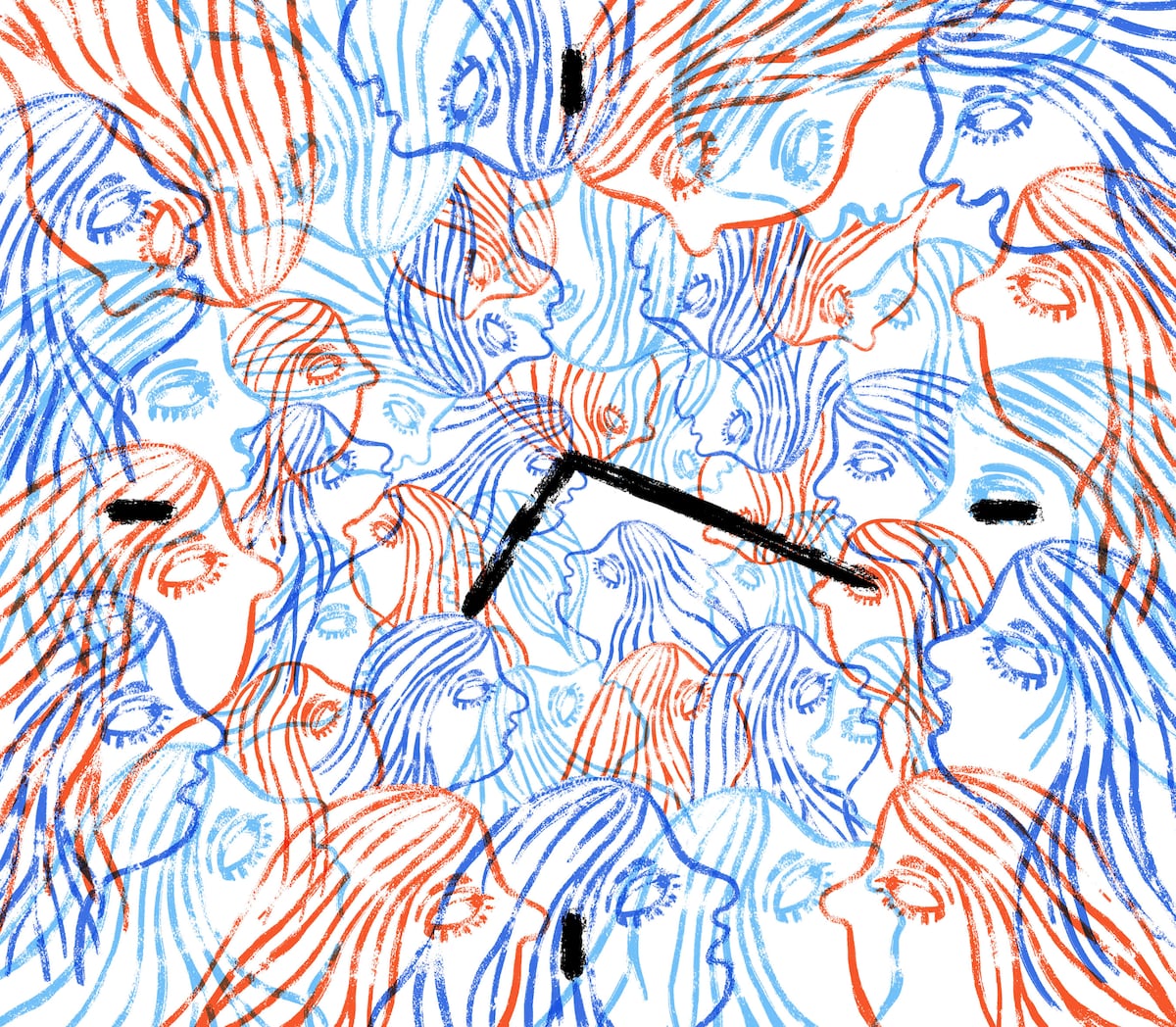
"Breathing is a purification process. Or so we thought until now. Inhalation involves the entry of oxygen-rich air into our bodies. This air travels down the pharynx, larynx, and trachea to the lungs, where the alveoli exchange the oxygen present in the blood for carbon dioxide, which is then expelled during exhalation. Breathing cleanses the blood, which is then pumped by the heart. That is the function we have attributed to the respiratory process until now."
"And of course, in the Indian culture of yoga, which for centuries has developed and disseminated a wide range of breathing techniques aimed at shaping the mind, known as pranayama, a Sanskrit term that refers to the impact of breath on human beings. Its historical imprint has recently been recognized in neuroanatomy. In 2017, Stanford University published a scientific study detailing the nerve pathways that transmit the impact of breathing to the brain, which they called pranayama pathways."
Breathing moves oxygen-rich air through the pharynx, larynx, and trachea to the lungs where alveoli exchange oxygen for carbon dioxide, and circulation purifies and distributes blood. Cultural traditions from Ancient Egypt, Classical Greece, Hebrew mysticism, Sufism, and Indian yoga have long linked breath to mind and spirit; yoga developed pranayama techniques to shape mental states. Neuroanatomical research has identified nerve pathways that convey breathing’s impact to the brain. Contemporary scientific evidence shows that breathing patterns influence neural areas involved in attention, memory, smell, and emotions. Learning to breathe begins with observing and understanding one’s natural breathing pattern.
Read at english.elpais.com
Unable to calculate read time
Collection
[
|
...
]