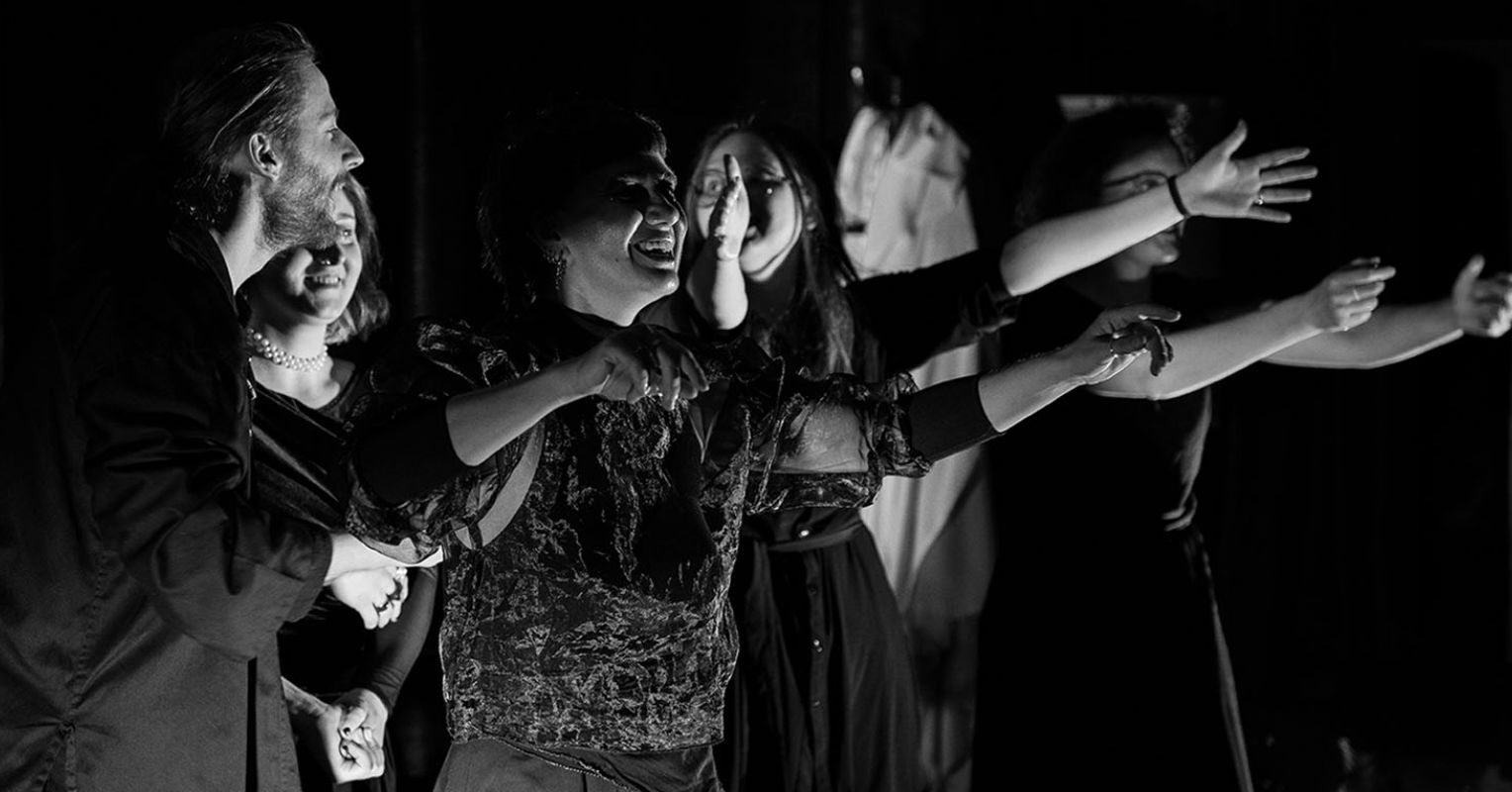
"Comedy improvisation forces you to stop judging yourself. It's about leaning into making mistakes. In good improv, nothing is wrong. Even when participants 'dried' and called out something completely random, the group responded approvingly, reinforcing that all contributions are valid and acceptable."
"Improv teaches us to stay in the moment and not look ahead, because it doesn't work. When sketching a vehicle that others interpret differently, participants must abandon their original idea and adapt to the new direction, learning to respond authentically rather than execute predetermined plans."
Improv comedy offers significant benefits for people experiencing social anxiety and overthinking. The practice creates a safe space where mistakes are not only accepted but encouraged, allowing participants to stop self-judging. Key skills developed through improv include active listening, staying present in the moment, and adapting to unexpected situations. Exercises like group call-outs and collaborative storytelling teach participants to abandon preconceived plans and respond authentically to others. By normalizing failure and emphasizing acceptance, improv helps people build confidence in social interactions and develop flexibility in real-time communication.
Read at Psychology Today
Unable to calculate read time
Collection
[
|
...
]