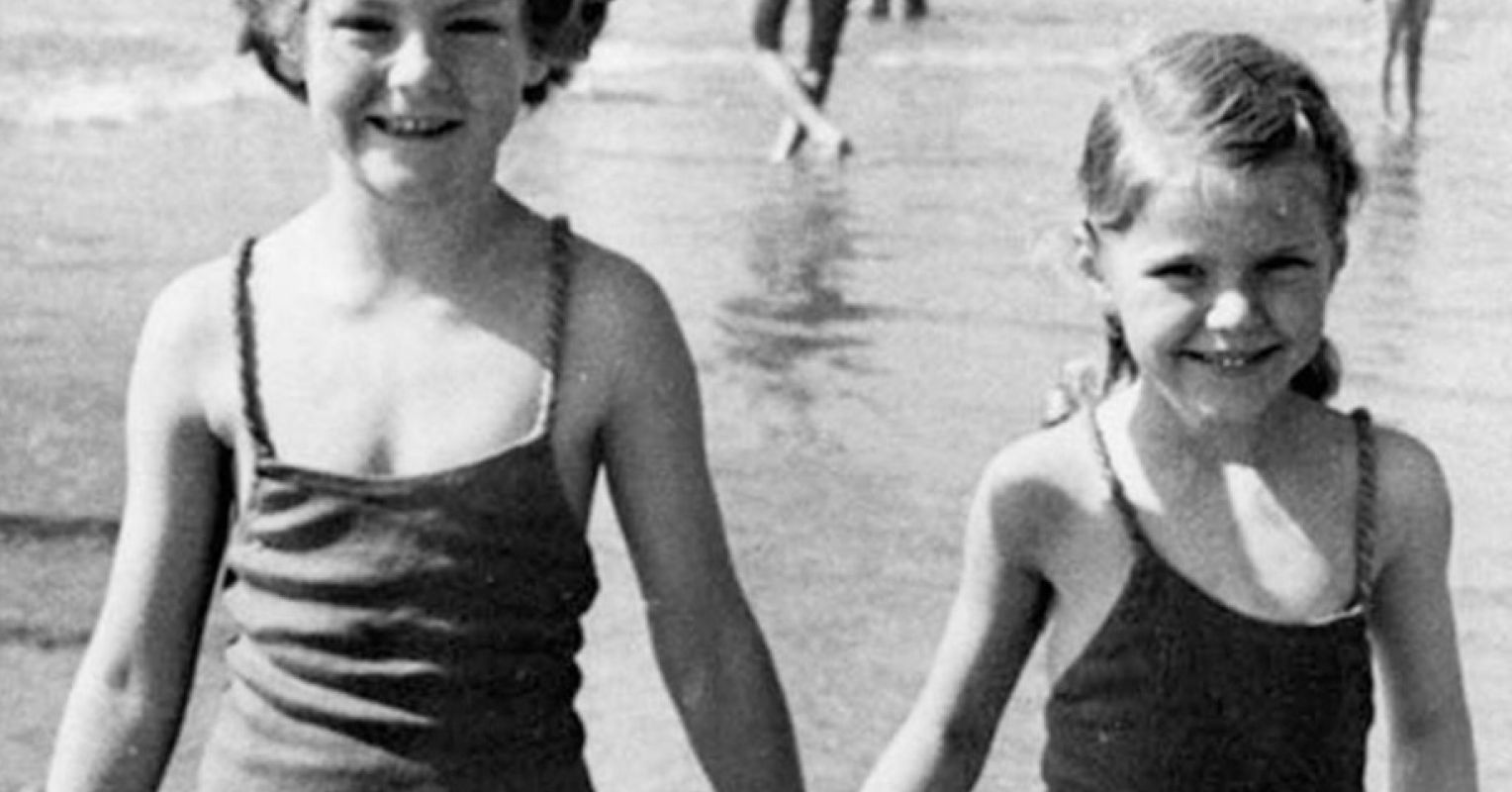
"Last week, as I was walking home from the grocery store, I had an accident, a moment of suffering and public humiliation that led to a moment of realization when I learned something about life. Foolishly, walking with my hands filled with packages, I tripped on the uneven city pavement and fell to the hard concrete, unable to stop my fall. I literally fell on my face."
"I have been told so often, and indeed tell others, to run or walk with hands free so that you can protect your body when you fall. My great French friend told me a story of her uncle, who was walking down a hill with both his hands in his back pockets and fell to his death. Here I was on Columbus Avenue in New York City, striding along with my hands filled with heavy packages"
"My head slammed down hard with a horrible bang I will never forget. I took the blow on my chin and, for a moment, lost consciousness. I came to my senses surrounded by a group of good Samaritans, cellphones in hand, ready to call 911. I have fallen before and used the same sentence to prevent the arrival of an ambulance and a visit to the hospital."
A fall while carrying heavy grocery packages resulted in a painful, humiliating face-first collision with the pavement. Repeated warnings to keep hands free were ignored, recalling a friend's fatal anecdote and a childhood image of pride. The head blow knocked the narrator unconscious briefly and attracted nearby good Samaritans with cellphones ready to call 911. Stiff-upper-lip training produced the claim 'I'm fine. My husband is a doctor,' despite bleeding and disorientation. A stranger returned sunglasses and helped gather battered belongings, and the narrator staggered away before regaining enough wits to continue. Suffering from the fall is framed as capable of prompting insight, empathy, and inspiration to follow others' good examples.
Read at Psychology Today
Unable to calculate read time
Collection
[
|
...
]