"Habits are useful. If we had to make decisions about every little thing we do every day, we'd never have brain space for anything that requires thought. Doing routine things on autopilot is efficient. But as we age, more and more activities become habitual. Life becomes more routinized. We settle in. And it can feel like the spark is going out."
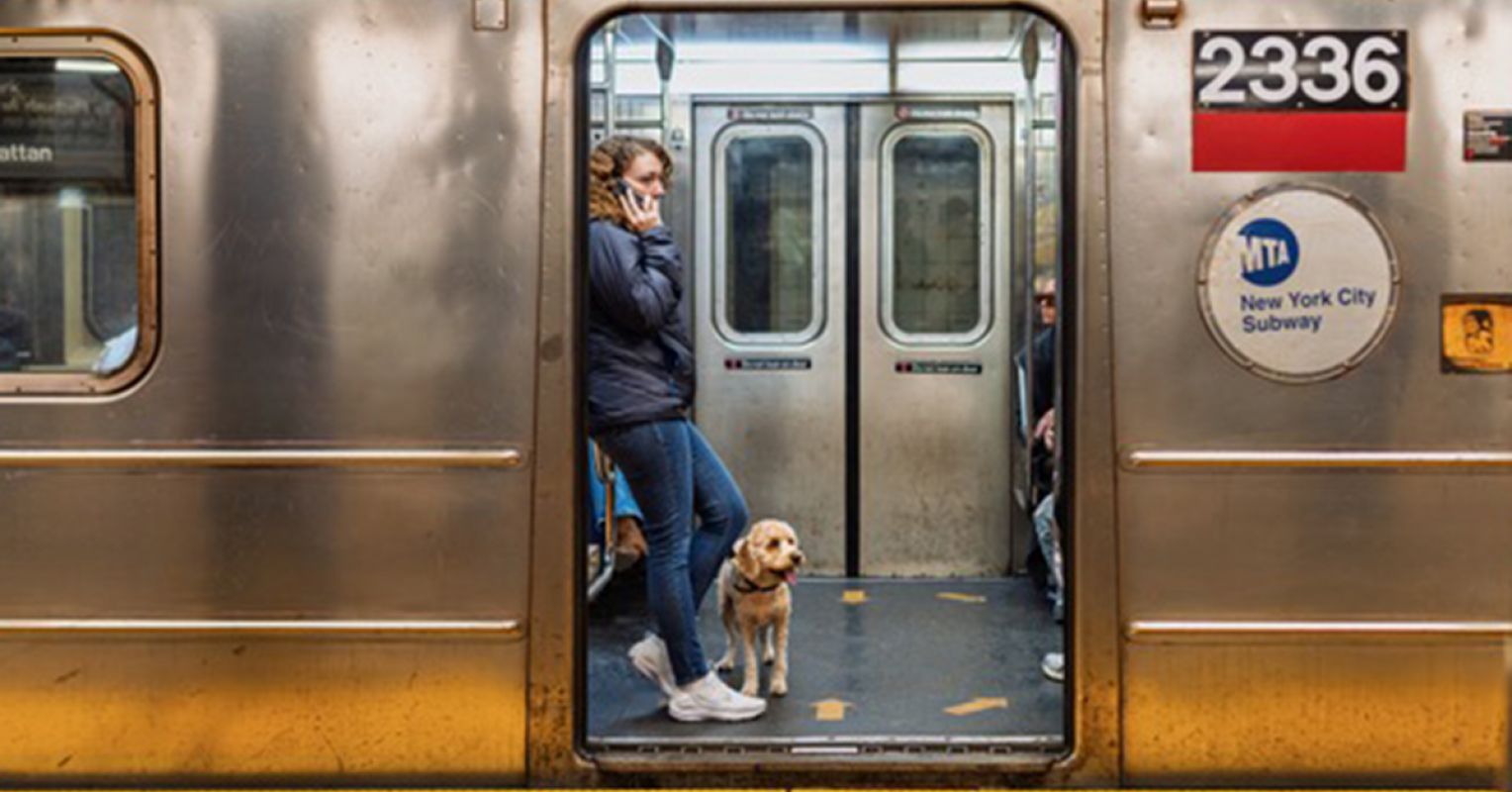
"When my husband Michael broke his hip, instead of driving, we started taking the train from Boston, where we live, to New York, where we both grew up and have friends and family. For 10 years, we'd arrive at Pennsylvania Station late on Friday nights and get on the long, long line for a taxi, adding at least another tedious hour to the trip. Eventually, my daughter encouraged us to try the subway, which has a stop right in the station."
Habits conserve mental energy by automating routine decisions, but over time increasing routinization can dim curiosity and the sense of spark. Breaking even a small habit can produce meaningful change and open new possibilities. When the original reason for an old habit no longer exists, the habit can be easy to break. Small changes such as altering where to eat lunch or stopping cosmetic routines can cascade into additional changes and reconnect a person with their younger self. A practical example shows switching from taxis to a short subway ride transformed travel ease and renewed feelings of identity.
Read at Psychology Today
Unable to calculate read time
Collection
[
|
...
]