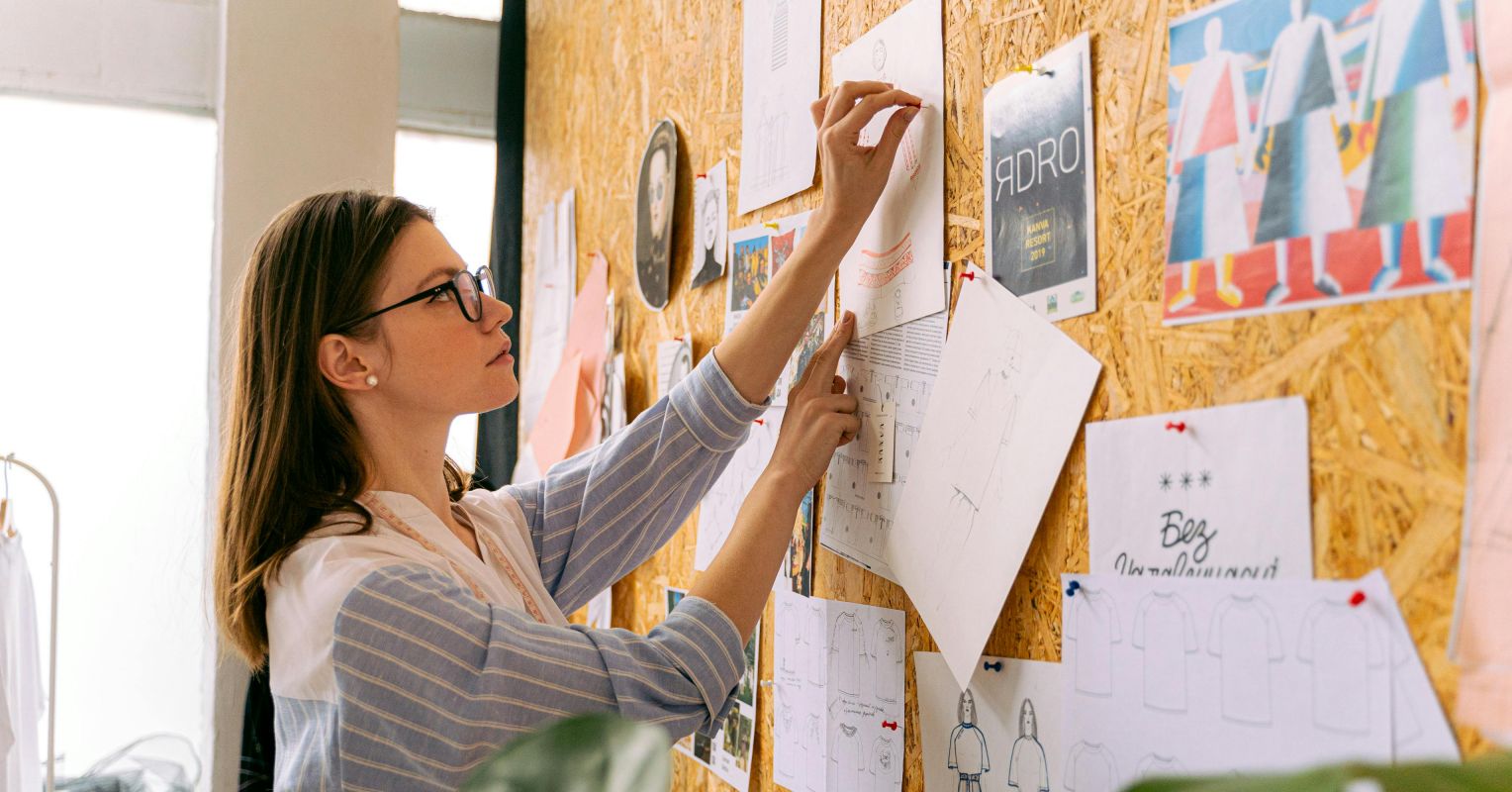
"Vision boards are often talked about as something creative and inspirational. That can be true, but they can also be a highly practical and motivating tool.A well-designed vision board is not just a collage of nice images. It's a visual representation of your priorities and direction. Used well, it can help you stay focused on what matters, make better decisions, and keep moving toward the life and career you actually want."
"Start by being specific about the purpose of your vision board. Ask yourself: Is this vision board for my overall life in 2026? Is it focused mainly on my career and leadership? Do I want to include well-being, finances, or relationships as well? You can create one overall board or separate boards for different areas, but it's important to decide up front. If you try to include everything without any structure, it can quickly become cluttered and less effective."
Start by defining a clear purpose and short intention statement to filter what belongs on the board. Clarify specific outcomes for the year and the next chapter, and turn answers into a concise list of guiding themes. Collect images and words that are specific and meaningful rather than decorative. Arrange the board to emphasize priorities and avoid clutter. Translate each goal into milestones and concrete actions that inform daily decisions. Review and update the board regularly to sustain focus and motivation. Visual, attention-grabbing cues recruit memory and decision-making systems in the brain, helping behavior align with stated priorities.
Read at Psychology Today
Unable to calculate read time
Collection
[
|
...
]