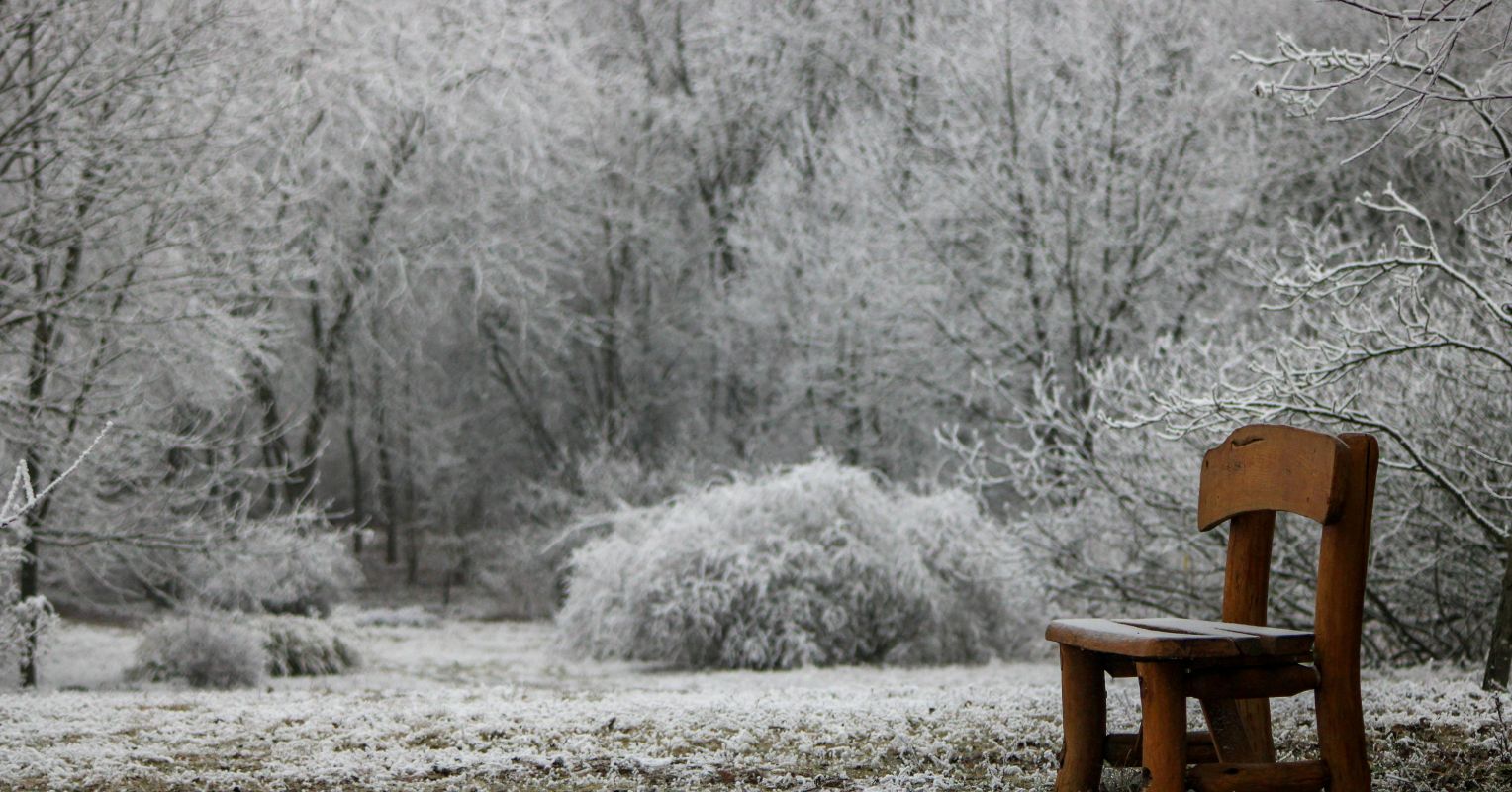
"As a child, my father would often share one of his favorite quotes: "The difference between loneliness and solitude is your perception of who you're alone with and who made the choice." I've turned those words over for decades. Solitude is chosen, the quiet you seek to restore yourself, to listen inward. Loneliness is the ache of disconnection without purpose. It's having a thousand connections and yet no one you'd call in a crisis."
"One in five Americans overall feel lonely daily, which some research suggests may carry equivalent health consequences as smoking 15 cigarettes a day. But most of us won't name it. Are we so conditioned to believe that strength equates to independence that loneliness feels like failure? Somewhere along the way, we swallowed the lump in our throat at the conference table and learned that honesty about our inner world was a liability."
Many people experience a persistent ache of disconnection despite busy social lives and full calendars. Solitude is a chosen restorative state while loneliness is an unchosen ache of disconnection that leaves people without anyone to call in a crisis. Loneliness carries serious consequences: half of CEOs report loneliness affecting performance, one in five Americans feel lonely daily, and some research compares chronic loneliness to smoking fifteen cigarettes a day. Cultural norms that prize independence discourage honest expression of inner struggles and promote emotional numbing, which also blocks access to joy. Recovery begins with small acts: one text, one honest conversation, one door cracked open.
Read at Psychology Today
Unable to calculate read time
Collection
[
|
...
]